
Understanding VA Loan Benefits and Eligibility Requirements in Texas
Understanding VA Loan Benefits and Eligibility Requirements in Texas
Introduction
VA loans represent one of the most valuable benefits available to military veterans, offering a pathway to homeownership that many traditional mortgage products simply cannot match. For veterans living in Texas, understanding these benefits and the eligibility requirements is crucial for making informed decisions about purchasing a home. The VA loan program, backed by the U.S. Department of Veterans Affairs, has helped millions of veterans achieve the dream of owning a home without the burden of excessive down payments or private mortgage insurance. This article explores the key aspects of VA loans in Texas, including what benefits they offer, who qualifies, and how the application process works. Whether you’re a recently separated service member or a veteran considering your options, this comprehensive guide will help you navigate the landscape of VA home lending and determine if this program is right for you.
What are VA loans and their core advantages
A VA loan is a mortgage loan guaranteed by the Department of Veterans Affairs, designed exclusively for eligible veterans, active-duty service members, and their surviving spouses. Unlike conventional loans, VA loans come with several distinctive advantages that make them particularly attractive for Texas homebuyers. One of the most significant benefits is the absence of a required down payment. While conventional loans typically require 5-20% down, many VA loans allow veterans to purchase homes with zero down, meaning they can finance 100% of the property’s purchase price.
The guarantee provided by the VA also eliminates the need for private mortgage insurance (PMI), which can save borrowers hundreds of dollars each month. Additionally, VA loans typically feature lower interest rates compared to conventional mortgages, as lenders view them as lower-risk investments due to the government backing. The VA also sets maximum allowable fees that lenders can charge, protecting veterans from excessive closing costs. Another crucial advantage is the flexibility in debt-to-income ratios, which means veterans with slightly higher existing debts may still qualify for VA loans when conventional lenders would deny them.
In Texas, these benefits take on added significance given the state’s diverse real estate market. From urban properties in Houston and Dallas to rural farmland and suburban homes in San Antonio, VA loans can be used to purchase virtually any type of residential property across the state. The loan can also be used for purchasing, building, improving, or refinancing a home, providing multiple pathways for veterans to achieve their homeownership goals.
Determining your eligibility for VA loans in Texas
Understanding whether you qualify for a VA loan is the first step in the homebuying process. The eligibility requirements are primarily based on your military service rather than credit scores or financial history, though lenders will still evaluate these factors. To be eligible, you must have served a minimum length of active duty, which typically depends on when you served and the branch of service.
For most veterans who served on active duty after September 7, 1980, the minimum service requirement is 24 months of continuous active duty or the full period for which you were called to active duty. However, service members who served before this date may have different requirements. Those who served during the Vietnam War era or earlier may only need to have completed 90 days of active service. Additionally, reservists and National Guard members may qualify if they served on active duty under certain circumstances.
Another critical element of eligibility is obtaining your Certificate of Eligibility (COE). This document proves to lenders that you meet the VA’s service requirements. In Texas, veterans can apply for a COE through multiple channels, including online through the VA’s website, by mail, or through their lender. The application process is straightforward and typically involves submitting documentation of your military service, such as your DD Form 214 (Discharge or Release from Active Duty).
The following categories represent the primary groups eligible for VA loans:
- Active-duty service members who have completed their required service
- Veterans who have been honorably discharged
- Reservists and National Guard members who meet specific service requirements
- Surviving spouses of service members or veterans who died in service or from service-related disabilities
- Dependent children in certain circumstances where the veteran has died
It’s important to note that disqualifying factors exist. Service members with dishonorable discharges or those dismissed by court-martial typically cannot access VA loan benefits. Additionally, the VA evaluates credit history and income stability, and borrowers must meet the lender’s creditworthiness standards, though these are often more flexible than conventional loan requirements.
The entitlement system and purchasing power
The VA loan benefit operates through an entitlement system that determines how much you can borrow. Your basic entitlement is $36,000, but understanding how this system works is essential for maximizing your purchasing power in Texas’s competitive real estate market. The entitlement isn’t a cap on how much you can borrow; rather, it’s the amount the VA guarantees to the lender if you default on the loan.
Here’s how the calculation works: if a property costs $200,000 and you put down zero, the VA will guarantee up to 25% of the loan amount (which would be $50,000 in this case). Since your basic entitlement is $36,000, the VA would guarantee $36,000, and your lender would require you to cover the difference of $14,000. This is where your funding fee comes into play (more on this below). However, in Texas’s less expensive markets, your $36,000 entitlement may be sufficient to guarantee the entire loan amount, allowing you to purchase with zero down.
Veterans who previously used their entitlement to purchase a home have the opportunity to restore it under certain conditions. If you paid off your VA loan in full and sold the property, your entitlement typically gets restored. This means you could use your VA loan benefit multiple times throughout your life, making it one of the most valuable ongoing benefits available to veterans.
The following table demonstrates how entitlement works in different scenarios across Texas:
| Property price | VA guarantee (25%) | Your basic entitlement | Down payment required | Lender covers |
|---|---|---|---|---|
| $150,000 | $37,500 | $36,000 | $1,500 | $112,500 |
| $250,000 | $62,500 | $36,000 | $26,500 | $187,000 |
| $400,000 | $100,000 | $36,000 | $64,000 | $300,000 |
As you can see from the table, in less expensive Texas markets, your entitlement may cover the VA guarantee entirely. However, in pricier urban markets like Austin or the Dallas-Fort Worth area, you may need to bring a down payment to cover the difference between your entitlement and the VA guarantee. Understanding this calculation before house hunting helps you identify realistic price ranges for your situation.
VA loan costs and the funding fee explained
While VA loans offer substantial benefits, they do come with certain costs that borrowers must understand. The primary cost associated with VA loans is the funding fee, which is a one-time payment made to the VA. This fee helps offset the cost of the VA loan program and ensures its long-term sustainability. The funding fee typically ranges from 1.4% to 3.6% of the loan amount, depending on several factors including whether you’re making a down payment and what type of property you’re purchasing.
First-time VA homebuyers with no down payment typically pay a 2.3% funding fee on the loan amount. If you make a 5% down payment, this reduces to 1.63%, and with 10% or more down, it drops to 1.25%. Importantly, disabled veterans with service-connected disabilities are often exempt from paying the funding fee entirely. If you have a disability rating of 0% or higher from the VA, you may qualify for this waiver, which can save you tens of thousands of dollars.
The funding fee is usually rolled into the loan amount and financed over the life of the mortgage, so you don’t need to pay it out of pocket at closing. This is different from other mortgage costs like property taxes, homeowners insurance, and HOA fees, which are ongoing expenses you’ll need to budget for as a Texas homeowner.
Other costs to consider include:
- Appraisal fees (typically $400-$600, though the VA has guidelines limiting these)
- Credit report fees (usually $50-$100)
- Title search and insurance (varies by county in Texas)
- Recording fees (set by each Texas county)
- Prepaid property taxes and homeowners insurance (for escrow)
It’s crucial to note that the VA limits the closing costs lenders can charge veterans. Lenders cannot charge you for certain fees like document preparation, processing, or underwriting. This cap on fees provides additional protection compared to conventional mortgage lending, ensuring that VA borrowers aren’t overcharged for standard services.
Conclusion
VA loans represent a uniquely valuable homeownership opportunity for veterans across Texas, offering benefits that are difficult to match through conventional lending channels. The combination of zero-down-payment options, elimination of private mortgage insurance, competitive interest rates, and flexible debt-to-income ratios creates a compelling pathway to homeownership for eligible veterans. Understanding your eligibility, based on your military service and discharge status, is the essential first step in determining whether you can access these benefits.
The entitlement system, while initially complex, provides substantial purchasing power even in Texas’s competitive real estate markets. Whether you’re looking at affordable properties in smaller Texas cities or higher-priced homes in major metropolitan areas, your VA loan benefit can be strategically used to maximize your buying potential. The funding fee, though a necessary cost, remains significantly lower than the private mortgage insurance premiums required by conventional loans. By taking time to understand these benefits and requirements, veterans in Texas can make informed decisions about their homeownership journey and take full advantage of the earned benefits that come with military service. If you meet the eligibility requirements, consulting with a VA-savvy lender in Texas is the next step toward achieving your homeownership goals.
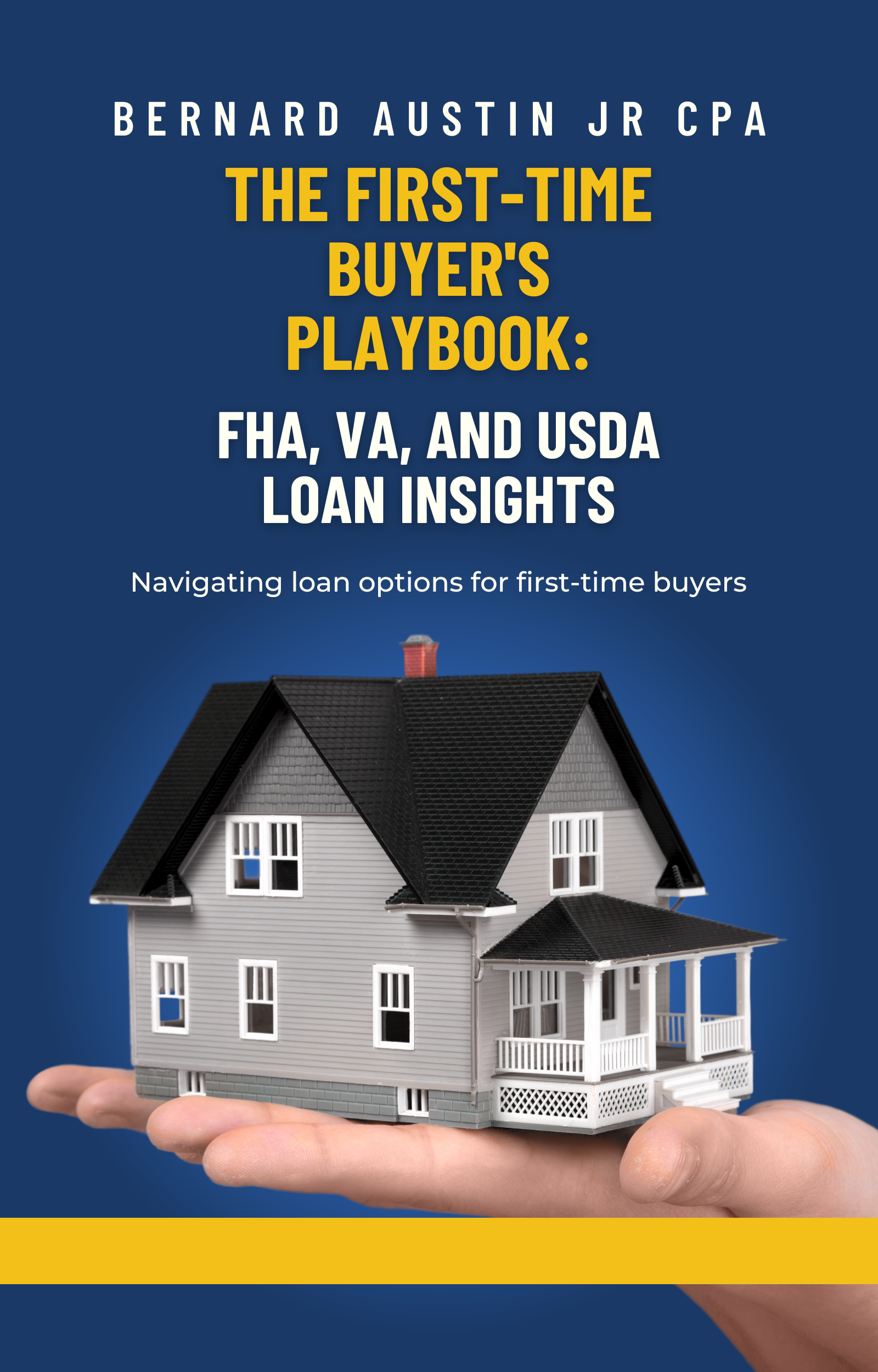
Free Guide:
First-Time Homebuyer Loans Explained
Download the free playbook that explains your options in plain English—written by a CPA and licensed Realtor.