
Understanding VA Loan Benefits and Eligibility for Texas Veterans
Understanding VA Loan Benefits and Eligibility for Texas Veterans
Introduction
Texas is home to over 1.4 million veterans, many of whom may not fully understand the valuable benefits available to them through VA loans. A VA loan is a mortgage option guaranteed by the Department of Veterans Affairs, designed specifically to help veterans, active duty service members, and surviving spouses purchase homes with favorable terms. Unlike conventional loans, VA loans require no down payment, no private mortgage insurance, and often feature lower interest rates. For Texas veterans looking to build equity and achieve homeownership, understanding these benefits and determining eligibility is the critical first step. This article explores the key advantages of VA loans, eligibility requirements specific to Texas veterans, the application process, and practical tips for maximizing this powerful benefit.
VA loan eligibility requirements for Texas veterans
To qualify for a VA loan in Texas, veterans must meet specific service requirements established by the Department of Veterans Affairs. The VA determines eligibility based on length and type of military service, rather than credit score or financial history alone. This fundamental difference makes VA loans accessible to many veterans who might struggle with conventional lending.
Active duty service members must have served at least 90 days of continuous service. For those who left the military, eligibility typically requires at least six years of service in the reserves or National Guard, or at least 181 days of active duty service. Veterans who served during wartime periods may have different requirements, sometimes as little as 47 days of active service. All service must be honorable, as a dishonorable discharge disqualifies applicants.
The first step toward determining eligibility is obtaining a Certificate of Eligibility, or COE. Texas veterans can apply for this certificate through several methods. The VA website allows online applications, the Veterans Benefits Administration processes mail-in requests, and many Texas lenders can verify eligibility electronically through an automated system. Once you have your COE, you have official documentation of your eligibility status.
Surviving spouses of veterans who died on active duty or from a service-connected disability also qualify for VA loans. Additionally, some former spouses may be eligible under specific circumstances. These provisions ensure that families of those who made the ultimate sacrifice can access homeownership benefits.
Unlike many loan programs, the VA does not set a minimum credit score requirement. However, most Texas lenders will require a credit score of at least 620, and many prefer scores above 640. Your credit history matters more than a single score, and lenders examine your payment patterns, outstanding debts, and overall financial responsibility. This flexibility has opened homeownership to Texas veterans who might otherwise face barriers through traditional lending channels.
Core benefits that set VA loans apart
VA loans offer a combination of benefits that make them exceptionally attractive compared to conventional mortgages. Understanding these advantages helps Texas veterans recognize why this program has helped millions achieve homeownership since its inception in 1944.
The most significant benefit is the zero down payment requirement. Conventional loans typically require 10 to 20 percent down, which can mean $30,000 to $60,000 or more on a $300,000 home. VA loans eliminate this barrier entirely. You can purchase a home in Texas with no money down, allowing veterans to build equity from day one without depleting savings for a down payment.
A second major advantage involves mortgage insurance. Conventional loans require private mortgage insurance, or PMI, when the down payment is less than 20 percent. PMI typically costs 0.5 to 1 percent of the loan amount annually, adding hundreds of dollars to monthly payments. The VA loan program replaces this with a one-time funding fee, which can be rolled into the loan amount. For most first-time VA borrowers, this funding fee is 2.3 percent of the loan amount, significantly less expensive than years of PMI payments.
Interest rates on VA loans are historically lower than conventional rates. Because the VA guarantees a portion of the loan, lenders face reduced risk, and they pass these savings to veterans through lower rates. Over a 30-year mortgage, even a quarter-point difference in interest rate can mean tens of thousands in savings.
The VA protects borrowers through reasonable funding fee structures. Subsequent VA loans have lower funding fees, with second-time borrowers paying 3.6 percent. Active duty service members and disabled veterans pay reduced rates or nothing at all. Purple Heart recipients and veterans with service-connected disabilities pay no funding fee whatsoever.
VA loans also include stronger protections against foreclosure. Before a lender can initiate foreclosure proceedings on a VA loan, the VA must be notified and given an opportunity to assist. This additional layer of protection has preserved homeownership for many Texas veterans facing financial hardship.
The application process and working with lenders
The VA loan application process in Texas is straightforward, but success depends on selecting knowledgeable lenders and preparing thorough documentation. Texas has numerous VA-approved lenders, from large national banks to regional credit unions and mortgage companies specializing in VA loans.
Begin by gathering your Certificate of Eligibility and recent financial documentation. Lenders will require your last two years of tax returns, recent pay stubs, bank statements, and a complete list of outstanding debts. The VA considers your debt-to-income ratio, which should generally remain below 41 percent, though some lenders allow up to 50 percent for well-qualified borrowers. This ratio compares your total monthly debt obligations to your gross monthly income, helping lenders assess your ability to repay.
Texas veterans should understand that VA loans have a maximum entitlement amount. The VA guarantees up to $36,000 of the loan amount, or typically up to 25 percent of the home’s purchase price. This means you can borrow significantly more than the guarantee amount, but the VA’s guarantee protects the lender. In Texas, where home prices vary dramatically between rural areas and major metropolitan centers like Houston, Dallas, and Austin, this flexibility accommodates diverse market conditions.
The application process typically involves these steps:
- Gather required documentation and verify eligibility
- Get pre-approval from a VA-approved lender
- Find a home and make an offer
- The lender orders a VA appraisal
- Complete underwriting and final approval
- Close on your home
One important distinction: the VA appraisal differs from conventional appraisals. The VA appraisal verifies that the property meets minimum property requirements, or MPRs. These standards ensure the home is safe, habitable, and a reasonable value for the loan amount. A property must meet these MPRs before the VA will guarantee the loan, protecting both the veteran and the government’s investment.
Working with lenders experienced in VA loans matters significantly. These lenders understand the nuances of VA eligibility, appraisal requirements, and the VA’s underwriting standards. They can navigate complications smoothly and explain options clearly. Texas has excellent VA specialists, and taking time to compare rates and services across multiple lenders often saves thousands over the life of the loan.
Strategic considerations for Texas veterans
Beyond basic eligibility and benefits, Texas veterans should consider several strategic factors when planning to use VA loan benefits. These considerations help maximize the benefit’s value and avoid potential pitfalls.
First, understand your remaining entitlement. The VA loan benefit works somewhat like a guarantee account. Once you have used your basic entitlement to purchase a home, you can restore it by selling that home and paying off the VA loan. This restoration is automatic and requires no formal application. Many Texas veterans take advantage of this feature to purchase multiple properties throughout their lives, building real estate portfolios while maintaining the VA loan advantage.
Second, consider property eligibility carefully. VA loans finance only primary residences. Investment properties, second homes, and vacation properties do not qualify. This limitation exists because the program aims to help veterans build homeownership and stability in their primary residence. However, once you own a home with a VA loan, you can purchase investment properties using conventional financing.
Third, evaluate whether to pay the funding fee upfront or roll it into the loan. Paying upfront requires cash at closing but reduces your total interest paid. Rolling the fee into the loan amount reduces upfront costs but increases total interest. The choice depends on your personal financial situation and how long you plan to own the home. For many Texas veterans, rolling the fee into the loan makes sense because it preserves cash for moving costs and immediate home needs.
Fourth, recognize that VA loans can be assumed by non-veterans under specific circumstances. If you sell your Texas home and the buyer assumes your VA loan, your entitlement is released, allowing you to use it again. This feature can be attractive to buyers, making your home more marketable.
Finally, consider working with a VA-knowledgeable real estate agent in Texas. These professionals understand the nuances of selling to VA buyers, the appraisal process, and common transaction issues. Their expertise helps ensure smooth closings and successful transactions.
Comparison table: VA loans vs. conventional loans
| Feature | VA loan | Conventional loan |
|---|---|---|
| Down payment | 0 percent | 3 to 20 percent |
| Mortgage insurance | One-time funding fee (2.3 percent typically) | PMI ongoing until 20 percent equity |
| Interest rate | Generally lower | Generally higher |
| Credit score minimum | No set minimum (lenders vary) | 620 to 680 typically |
| Property type | Primary residence only | Primary, secondary, investment |
| Debt-to-income ratio | Up to 41 percent typically | Up to 43 percent typically |
| Prepayment penalties | None | Varies |
Conclusion
VA loans represent one of the most valuable benefits available to Texas veterans, yet many eligible individuals never take advantage of this opportunity. With no down payment requirement, no mortgage insurance, lower interest rates, and stronger foreclosure protections, VA loans remove traditional barriers to homeownership and help veterans build long-term financial security. Eligibility requirements are straightforward for those with honorable service records, and the application process is manageable with proper preparation and knowledgeable lender assistance. Texas veterans should view their VA loan entitlement not as a single-use benefit but as a powerful tool available throughout their lives. Whether you are a first-time homebuyer or an experienced real estate investor, understanding how to maximize this benefit can result in significant financial advantages. By obtaining your Certificate of Eligibility, gathering required documentation, working with VA-experienced lenders, and carefully considering your personal circumstances, you can unlock homeownership opportunities that build equity and stability for you and your family for decades to come.
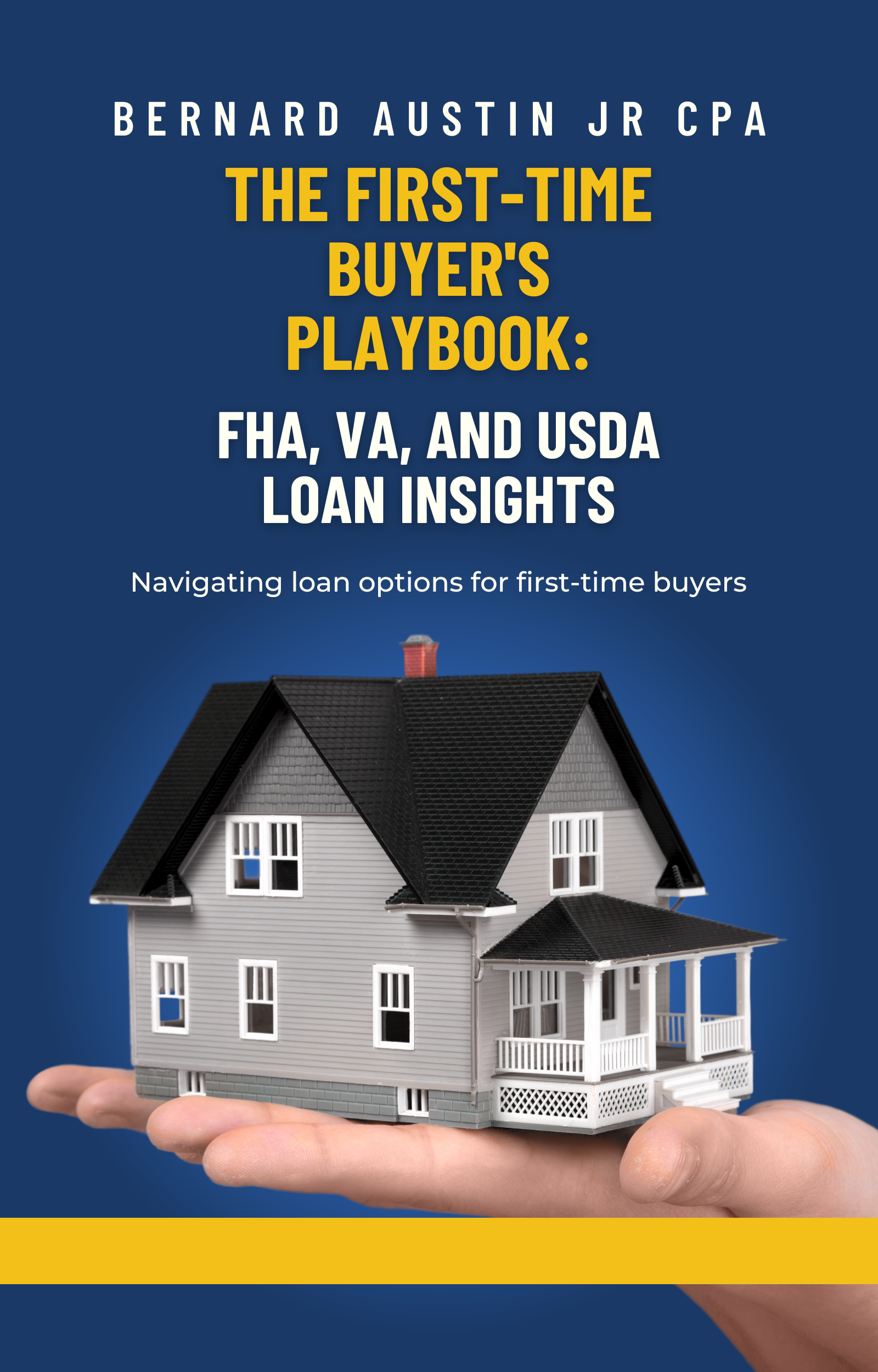
Free Guide:
First-Time Homebuyer Loans Explained
Download the free playbook that explains your options in plain English—written by a CPA and licensed Realtor.