

Unlocking the Secrets of Real Estate Financing: A Beginner’s Guide
Real estate financing is the process of borrowing funds to acquire, develop, or improve real property. It forms the backbone of property ownership, enabling buyers to purchase assets they might otherwise be unable to afford outright. This guide introduces fundamental concepts and common financing mechanisms, providing a framework for understanding the real estate finance landscape. Navigating this landscape requires an understanding of various debt instruments, equity contributions, and the interplay of risk and return.
Understanding the Basics: Debt and Equity
At its core, real estate financing relies on two primary pillars: debt and equity. Think of these as the two main engines propelling your acquisition. Each component plays a distinct role and carries different implications for the property owner.
Debt Financing: The Borrowed Capital
Debt financing involves borrowing money from a lender, typically a financial institution, with an agreement to repay the principal amount plus interest over a specified period. This is the most prevalent form of real estate financing for individual buyers.
- Mortgages: A mortgage is a loan secured by real property. If the borrower defaults, the lender has the right to foreclose on the property to recover the outstanding debt. Mortgages come in various forms, each with its own characteristics:
- Fixed-Rate Mortgages (FRM): These loans maintain a constant interest rate throughout the loan term, providing predictable monthly payments. This stability can be advantageous in fluctuating economic environments.
- Adjustable-Rate Mortgages (ARM): ARMs feature an interest rate that can change periodically following an initial fixed-rate period. The rate adjustments are typically tied to an index, such as the prime rate or LIBOR. While offering lower initial payments, ARMs introduce interest rate risk to the borrower.
- Government-Insured Mortgages: Programs like FHA (Federal Housing Administration) and VA (Department of Veterans Affairs) loans offer specific benefits, such as lower down payments or relaxed credit requirements, to qualified borrowers. These loans are designed to make homeownership more accessible.
- Jumbo Mortgages: These loans exceed the conforming loan limits set by government-sponsored enterprises like Fannie Mae and Freddie Mac. They are used for higher-value properties and typically carry stricter underwriting criteria.
- Commercial Loans: For non-residential properties, commercial loans are used. Their terms are generally more complex than residential mortgages, often involving shorter amortization periods, balloon payments, and more rigorous financial covenants.
- Bridge Loans: These are short-term loans, often with higher interest rates, used to “bridge” a gap in financing, such as covering the period between selling one property and securing long-term financing for another.
Equity Financing: The Ownership Stake
Equity represents the portion of the property owned outright by the investor, free from debt. It is the real estate equivalent of personal investment in a business.
- Down Payment: This is the initial capital contributed by the buyer towards the purchase price. A larger down payment reduces the amount of debt required and can lead to more favorable loan terms. It also signifies a greater commitment from the buyer.
- Shared Equity Agreements: In some arrangements, multiple parties contribute equity, sharing ownership and future profits or losses. This can be a strategy to afford larger properties or diversify investment risk.
- Owner Financing: Also known as seller financing, this occurs when the seller acts as the lender, carrying a portion of the purchase price themselves. This can be beneficial for buyers who struggle to secure traditional financing or for sellers seeking to expedite a sale.
The Financing Process: A Step-by-Step Overview
Securing real estate financing involves a structured process, often likened to navigating a labyrinth. Understanding each stage is crucial for a smooth transaction.
Pre-Approval and Pre-Qualification
Before formally applying for a loan, potential borrowers often undergo pre-qualification or pre-approval. These steps provide an indication of borrowing capacity.
- Pre-qualification: This is an informal assessment based on self-reported financial information. It gives a general idea of how much you might be able to borrow. Think of it as a preliminary sketch.
- Pre-approval: This involves a more thorough review of your financial standing, including a credit check and verification of income and assets. It results in a conditional commitment from a lender for a specific loan amount, subject to property appraisal and other conditions. A pre-approval letter strengthens your offer in a competitive market.
Loan Application and Underwriting
Once a property is identified, the formal loan application process begins. This is where the lender scrutinizes your financial health.
- Documentation Gathering: Borrowers provide extensive documentation, including tax returns, pay stubs, bank statements, and credit reports. This information paint a comprehensive picture of your financial stability.
- Underwriting: Underwriters evaluate the borrower’s creditworthiness, income, assets, and the property’s value and suitability as collateral. They assess the risk profile of the loan. This is where the lender meticulously examines all the pieces of the puzzle.
- Appraisal: An independent appraisal determines the market value of the property. This ensures the property’s value supports the loan amount and protects the lender’s interest.
Closing and Funding
The closing marks the final stage of the financing process, where ownership is transferred and funds are disbursed.
- Closing Disclosure: Borrowers receive a detailed disclosure of all closing costs, loan terms, and a breakdown of funds. This document is provided several days before closing to allow for review.
- Final Signatures: All parties sign the necessary legal documents, including the mortgage note and deed of trust.
- Funding: The loan proceeds are disbursed to the seller, and the property’s ownership is officially transferred.
Key Factors Influencing Financing Outcomes
Several variables act as levers, influencing the terms and availability of real estate financing. Understanding these can empower you to optimize your borrowing strategy.
Credit Score and History
A strong credit score is a powerful asset in real estate financing. It acts as a report card of your financial responsibility.
- Impact on Interest Rates: Borrowers with higher credit scores typically qualify for lower interest rates, resulting in substantial savings over the life of the loan.
- Loan Approval: A positive credit history increases the likelihood of loan approval from a wider range of lenders. Lenders assess risk, and a higher credit score indicates lower risk.
Debt-to-Income (DTI) Ratio
The DTI ratio compares your total monthly debt payments to your gross monthly income. Lenders use this to assess your capacity to manage additional debt.
- Front-End Ratio: This considers only housing-related expenses (mortgage principal and interest, property taxes, insurance).
- Back-End Ratio: This encompasses all monthly debt obligations, including housing, car payments, credit card minimums, and student loans. Lenders typically prefer a lower back-end DTI ratio, often below 36-43%, although this can vary.
Loan-to-Value (LTV) Ratio
The LTV ratio indicates the proportion of the property’s value that is financed by a loan. It is calculated by dividing the loan amount by the property’s appraised value.
- Down Payment Impact: A higher down payment results in a lower LTV ratio, reducing the lender’s risk and potentially leading to better loan terms, such as avoiding private mortgage insurance (PMI).
- Private Mortgage Insurance (PMI): If the LTV ratio is above a certain threshold (typically 80%), lenders may require PMI. This insurance protects the lender in case of default.
Economic Conditions and Interest Rates
The broader economic environment and the prevailing interest rate landscape significantly impact real estate financing.
- Federal Reserve Policy: Actions by central banks, such as changes to the federal funds rate, can influence mortgage interest rates. When interest rates rise, borrowing becomes more expensive.
- Inflation: High inflation can lead to higher interest rates as lenders seek to protect the purchasing power of their returns.
- Market Demand: A strong housing market with high demand can put upward pressure on property values and, indirectly, influence lending terms.
Alternative Financing Strategies
Beyond traditional mortgages, various alternative financing avenues exist, particularly for experienced investors or those with unique circumstances. These approaches offer different risk and reward profiles.
Hard Money Loans
Hard money loans are short-term, asset-based loans typically provided by private lenders. They are often used for flips or properties that do not qualify for traditional financing due to condition or other factors.
- Higher Interest Rates: Due to the higher risk, hard money loans carry significantly higher interest rates and fees compared to conventional mortgages.
- Faster Approval: The approval process is generally quicker as lenders focus more on the property’s value as collateral rather than the borrower’s credit score. Imagine these as a fast-acting, but potent, solution.
Private Lending
Private lending involves borrowing money from individuals or private entities outside of traditional financial institutions. This can range from friends and family to organized syndicates.
- Flexible Terms: Private lenders often offer more flexible terms and conditions, as negotiations are directly between the borrower and lender.
- Relationship-Based: These loans often rely on pre-existing relationships and trust.
Real Estate Crowdfunding
Crowdfunding platforms allow multiple investors to pool their capital to fund real estate projects, either through debt or equity investments.
- Accessibility: It enables smaller investors to participate in real estate deals they might not otherwise access.
- Diversification: Investors can diversify their portfolios across various properties and geographic locations.
Conclusion
| Chapter | Topic | Metrics |
|---|---|---|
| 1 | Introduction to Real Estate Financing | Overview, Importance |
| 2 | Types of Real Estate Financing | Mortgages, Loans, Equity |
| 3 | Understanding Interest Rates | Fixed vs. Variable, Impact on Financing |
| 4 | Real Estate Financing Process | Application, Approval, Closing |
| 5 | Financing Strategies for Beginners | Saving for Down Payment, Credit Score |
Real estate financing is a multi-faceted domain, essential for both individual homeownership and large-scale property development. By understanding the fundamental components of debt and equity, navigating the financing process, and recognizing the influence of key factors, you can approach real estate acquisition with informed decisions. This guide serves as a foundational map, but ongoing research and consultation with financial professionals remain crucial steps in your journey through the real estate finance landscape. The right financing strategy is a powerful tool, enabling you to convert property aspirations into tangible assets.
FAQs
What is real estate financing?
Real estate financing refers to the various methods and sources of funding used to purchase, develop, or renovate real estate properties. This can include loans from banks, mortgage companies, or private lenders, as well as other forms of financing such as crowdfunding or seller financing.
What are the common types of real estate financing?
Common types of real estate financing include traditional mortgages, construction loans, bridge loans, hard money loans, and government-backed loans such as FHA or VA loans. Each type of financing has its own terms, requirements, and benefits, catering to different real estate investment needs.
How does real estate financing work?
Real estate financing works by providing the necessary capital to purchase or invest in real estate properties. Borrowers apply for financing, and if approved, receive funds to use for their real estate transactions. They then repay the loan amount plus interest over a specified period of time, according to the terms of the financing agreement.
What are the key factors to consider when seeking real estate financing?
Key factors to consider when seeking real estate financing include the borrower’s creditworthiness, the type of property being financed, the loan-to-value ratio, the interest rate and terms of the loan, as well as the borrower’s long-term financial goals and investment strategy.
What are some tips for beginners in real estate financing?
For beginners in real estate financing, it’s important to educate oneself about the various financing options available, work on improving credit scores, build a strong financial profile, and seek advice from real estate professionals or financial advisors. Additionally, beginners should carefully evaluate their investment goals and risk tolerance before choosing a financing option.
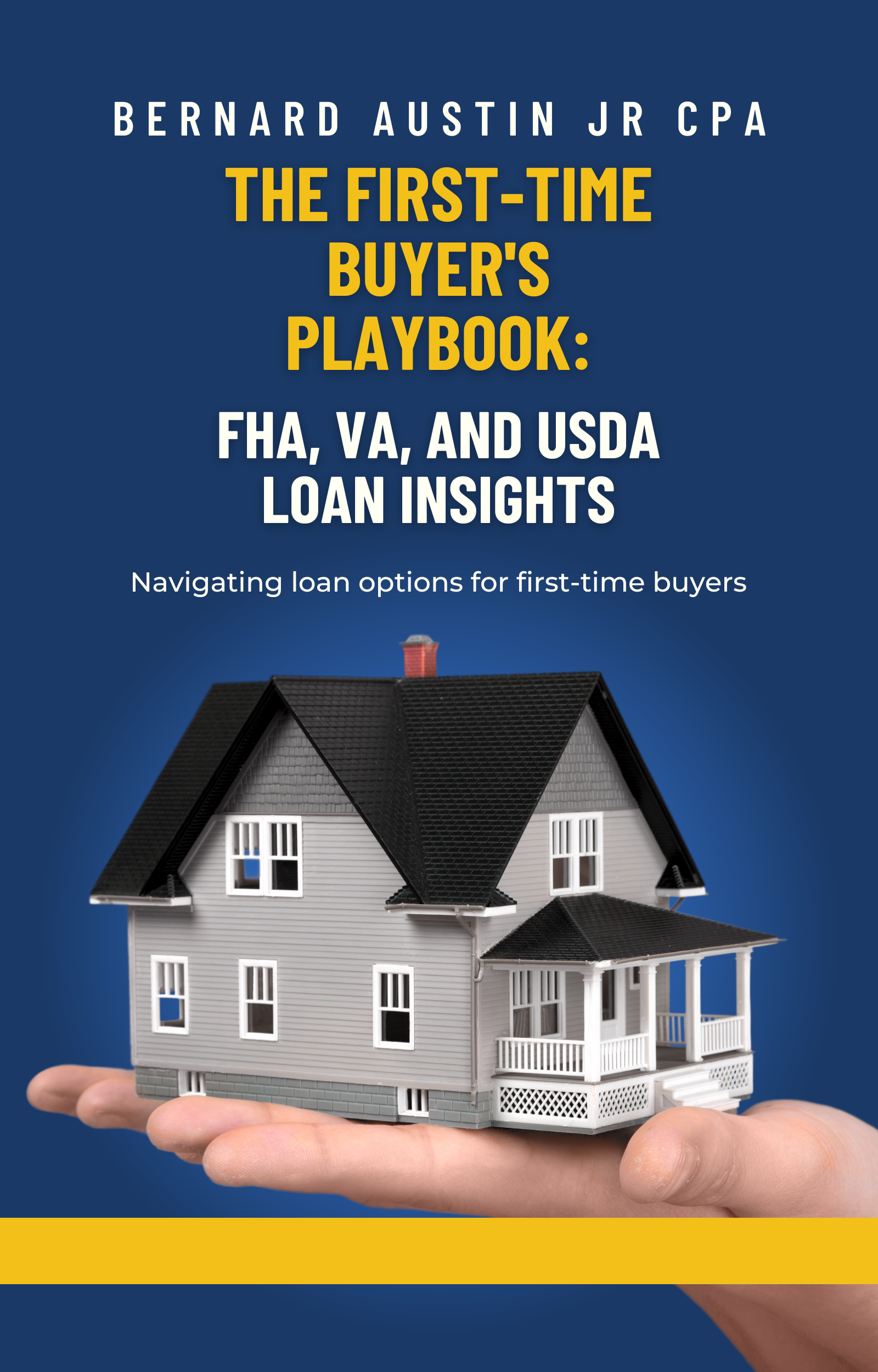
Free Guide:
First-Time Homebuyer Loans Explained
Download the free playbook that explains your options in plain English—written by a CPA and licensed Realtor.