

Unlocking the Door to Homeownership: The Top Homebuyer Incentives You Need to Know About
The journey to homeownership often presents a labyrinth of financial considerations. Various incentives exist to guide prospective buyers through this process, potentially making the path more accessible. These mechanisms are designed to alleviate common barriers such as down payment requirements, closing costs, and interest rates. Understanding these programs is a crucial first step for anyone contemplating a home purchase.
Navigating Down Payment Assistance Programs
Down payment assistance (DPA) programs are a cornerstone of many homebuyer incentive initiatives. They aim to bridge the gap between a buyer’s savings and the often substantial upfront costs associated with purchasing a home. These programs come in various forms, each with its own structure and eligibility criteria.
Grants: Non-Repayable Contributions
Grants represent one of the most straightforward forms of DPA. These funds are typically provided by government agencies, non-profit organizations, or employers and do not require repayment. The intent is to reduce the initial financial burden on the buyer directly. Eligibility often depends on factors such as income level, geographic location, and the type of property being purchased. For instance, some grants may be specifically targeted at first-time homebuyers or those purchasing in designated revitalization areas. The amount of a grant can vary significantly, from a few thousand dollars to a percentage of the home’s purchase price.
Second Mortgages: Deferred and Forgivable Options
Another common DPA structure involves a second mortgage. Unlike traditional second mortgages that require immediate repayment, these DPA versions often offer more flexible terms.
Deferred Repayment Second Mortgages
With a deferred repayment second mortgage, the loan does not require monthly payments. Instead, the principal and any accrued interest become due at a future date, typically when the homeowner sells, refinances, or otherwise transfers the property. This structure allows buyers to focus their financial resources on their primary mortgage payments. However, the accumulated debt remains a liability that must eventually be settled. It is essential to understand the interest rates and any potential escalation clauses associated with these deferred loans.
Forgivable Second Mortgages
Forgivable second mortgages offer an even more attractive proposition. Under this arrangement, a portion or the entirety of the second mortgage may be forgiven over a period, provided certain conditions are met. Common conditions include remaining in the home for a specified number of years or meeting ongoing residency requirements. If the homeowner meets these criteria, the loan obligation gradually diminishes or disappears altogether, effectively transforming it into a grant. Failure to meet the conditions, however, typically results in the full amount of the loan becoming due.
Employer-Assisted Housing Programs
Some employers recognize the benefits of assisting their employees with homeownership. These programs can range from direct financial assistance, such as grants or low-interest loans, to counseling services and partnerships with local lenders. Employers may find that helping employees secure stable housing can lead to increased employee retention and morale. The specific offerings of employer-assisted housing programs are highly variable and depend entirely on the individual employer’s policies.
Unlocking Low-Interest and Specialized Mortgage Options
Beyond down payment assistance, various mortgage products are designed to make home financing more accessible. These often feature reduced interest rates, lower down payment requirements, or more flexible underwriting criteria compared to conventional loans.
Government-Insured Loans: FHA, VA, and USDA
Federal government agencies play a significant role in making homeownership achievable for a broader spectrum of individuals. These loans are not directly issued by the government but are insured by them, which reduces the risk for lenders and encourages them to lend to qualified borrowers who might not meet conventional loan standards.
FHA Loans
Federal Housing Administration (FHA) loans are popular, particularly among first-time homebuyers. They allow for down payments as low as 3.5% of the purchase price. FHA loans have more lenient credit requirements than conventional loans, which can be beneficial for borrowers with less-than-perfect credit histories. However, FHA loans require borrowers to pay mortgage insurance premiums (MIP), both upfront and annually, for the life of the loan in many cases. This adds to the overall cost of the mortgage.
VA Loans
The U.S. Department of Veterans Affairs (VA) guarantees loans to eligible service members, veterans, and surviving spouses. VA loans are highly advantageous, often requiring no down payment and no private mortgage insurance (PMI). They also typically feature competitive interest rates. Eligibility for VA loans is tied to military service, and borrowers must obtain a Certificate of Eligibility (COE) to apply. While there is no monthly PMI, VA loans do have a funding fee, which can often befinanced into the loan amount.
USDA Rural Development Loans
The U.S. Department of Agriculture (USDA) offers loans to low- and moderate-income individuals purchasing homes in designated rural areas. These loans are designed to promote rural development and homeownership. USDA loans can be attractive as they often require no down payment and do not have monthly mortgage insurance. However, properties must be located in eligible rural areas, and borrowers must meet specific income limits that vary by location.
First-Time Homebuyer Programs
Many states and localities offer programs specifically tailored for first-time homebuyers. These initiatives can combine various forms of assistance, such as DPA, favorable interest rates, or closing cost credits. The definition of a “first-time homebuyer” often includes individuals who have not owned a home in the past three years. These programs aim to provide a stepping stone into the housing market for those who have yet to experience it. Eligibility criteria often include income limits, credit score requirements, and completion of a homebuyer education course.
Energy-Efficient Mortgage (EEM) Programs
Energy-Efficient Mortgage (EEM) programs are designed to assist homebuyers in purchasing or refinancing a home that is energy-efficient or to make energy-efficient improvements to an existing home. These programs allow borrowers to finance the cost of energy-efficient upgrades directly into their mortgage. This can include improvements such as new insulation, energy-efficient windows, or solar panels. EEMs recognize that while these improvements add to the mortgage amount, they can also reduce utility costs over time, benefiting both the homeowner and the environment. FHA and VA offer their versions of EEMs.
Exploring Tax Credits and Deductions
Homeownership also comes with potential tax benefits, which can collectively reduce the overall cost of owning a home. These benefits act as a form of indirect incentive.
Mortgage Interest Deduction
One of the most widely known tax benefits for homeowners is the mortgage interest deduction. This allows homeowners to deduct the interest paid on their mortgage from their taxable income. The amount that can be deducted is subject to certain limits, which have been adjusted by tax reform legislation. This deduction can significantly reduce a homeowner’s federal income tax liability.
Property Tax Deduction
Homeowners can also deduct state and local property taxes paid from their federal taxable income. However, the Tax Cuts and Jobs Act of 2017 imposed a cap on the total amount of state and local taxes (SALT) that can be deducted, including property taxes, at $10,000 per household. Despite this limit, the deduction can still provide a valuable reduction in taxable income for many homeowners.
Mortgage Credit Certificates (MCCs)
Mortgage Credit Certificates (MCCs) are issued by state and local housing finance agencies. An MCC allows qualifying homeowners to claim a federal tax credit for a portion of the mortgage interest paid each year. Unlike a deduction, which reduces taxable income, a tax credit directly reduces the amount of tax owed, dollar for dollar. The percentage of mortgage interest that can be claimed as a credit typically ranges from 10% to 50%, with a cap on the maximum annual credit amount. MCCs are usually targeted at first-time homebuyers and individuals meeting certain income limits. This can provide a substantial, ongoing financial benefit.
Understanding Closing Cost Assistance
Closing costs are an often-overlooked financial hurdle in the homebuying process. These expenses, which can range from 2% to 5% of the loan amount, cover various fees associated with processing the mortgage and real estate transaction.
Seller Concessions
In some markets, sellers may agree to pay a portion of the buyer’s closing costs. This is often negotiated as part of the purchase agreement. Seller concessions can be attractive to buyers as they reduce the cash needed at closing. However, there are limits on how much a seller can contribute, typically tied to a percentage of the sales price, which vary depending on the loan type. Excessive seller concessions can sometimes impact the appraised value of the home.
Lender Credits
Some lenders offer “lender credits” to cover a portion of the closing costs. In exchange for these credits, the borrower typically accepts a slightly higher interest rate on their mortgage. This trade-off can be beneficial for buyers who want to reduce their upfront cash outlay but are comfortable with a marginally higher monthly payment over the life of the loan. It is essential to carefully weigh the long-term cost of a higher interest rate against the immediate benefit of reduced closing costs.
Housing Finance Agency (HFA) Programs
Many state and local Housing Finance Agencies (HFAs) offer specific programs that provide closing cost assistance. These programs can come in the form of grants, deferred loans, or low-interest loans. They are often bundled with other first-time homebuyer initiatives or specific mortgage products. HFA programs are designed to fill financial gaps for borrowers who meet specific income and credit criteria.
Leveraging Homebuyer Education and Counseling
| Homebuyer Incentive | Description |
|---|---|
| Down Payment Assistance | A program that helps homebuyers with their down payment, usually in the form of a grant or low-interest loan. |
| Mortgage Credit Certificate | A tax credit that can lower the amount of federal income tax owed, providing more disposable income for borrowers to qualify for a mortgage loan. |
| First-Time Homebuyer Programs | Special programs and grants designed to help first-time homebuyers with down payment and closing costs. |
| Low-Interest Mortgage Programs | Programs that offer lower interest rates to qualified homebuyers, reducing the overall cost of the mortgage. |
| Forgivable Loans | Loans that are forgiven over time, usually in exchange for the homebuyer living in the property for a certain period. |
Beyond financial incentives, access to information and guidance is a valuable resource for prospective homeowners. Homebuyer education and counseling programs aim to equip individuals with the knowledge necessary to navigate the complexities of purchasing and owning a home.
Pre-Purchase Counseling
Pre-purchase counseling programs offer guidance on various aspects of homebuying, including understanding credit, managing debt, creating a budget, and navigating the mortgage process. These programs are often offered by non-profit organizations and can be mandated for participation in certain DPA or first-time homebuyer programs. The goal is to prepare buyers for the financial responsibilities of homeownership and minimize the likelihood of default.
Post-Purchase Counseling
While less common than pre-purchase counseling, post-purchase counseling can be beneficial for new homeowners. These programs may offer assistance with budgeting for home maintenance, understanding property taxes and insurance, or navigating financial difficulties that may arise after closing. This ongoing support aims to ensure long-term homeownership stability.
Certification Requirements
Some homebuyer incentive programs, particularly those offering significant down payment or closing cost assistance, require participants to complete an approved homebuyer education course. This certification demonstrates that the buyer has engaged with foundational homeownership principles. These courses can be delivered online or in person and often cover topics such as understanding the loan application process, real estate transactions, and the responsibilities of being a homeowner.
The landscape of homebuyer incentives is dynamic and multifaceted. From direct financial assistance to tax benefits and educational resources, numerous avenues exist to support individuals on their path to homeownership. A thorough exploration of these options, coupled with an understanding of individual financial circumstances, is essential for making informed decisions. By diligently researching available programs, buyers can effectively unlock the door to their own homes, transforming the aspiration of ownership into a tangible reality.
FAQs
What are homebuyer incentives?
Homebuyer incentives are programs or offers designed to help individuals or families purchase a home. These incentives can come in the form of financial assistance, tax credits, grants, or other benefits that make homeownership more accessible.
What are some common homebuyer incentives?
Common homebuyer incentives include down payment assistance programs, first-time homebuyer grants, low-interest mortgage loans, tax credits for homebuyers, and special loan programs for specific groups such as veterans or teachers.
How can homebuyers find out about available incentives?
Homebuyers can find out about available incentives by researching online, contacting local housing agencies, speaking with real estate agents, and attending homebuyer education classes. Many government and non-profit organizations also provide information about available incentives.
Who is eligible for homebuyer incentives?
Eligibility for homebuyer incentives varies depending on the specific program or offer. Some incentives are targeted towards first-time homebuyers, low-income individuals or families, veterans, or specific professions. It’s important for potential homebuyers to research and understand the eligibility requirements for each incentive.
What are the benefits of homebuyer incentives?
The benefits of homebuyer incentives include making homeownership more affordable, reducing the financial burden of purchasing a home, and providing opportunities for individuals or families who may not otherwise be able to afford a home. Incentives can also help stimulate the housing market and promote community development.
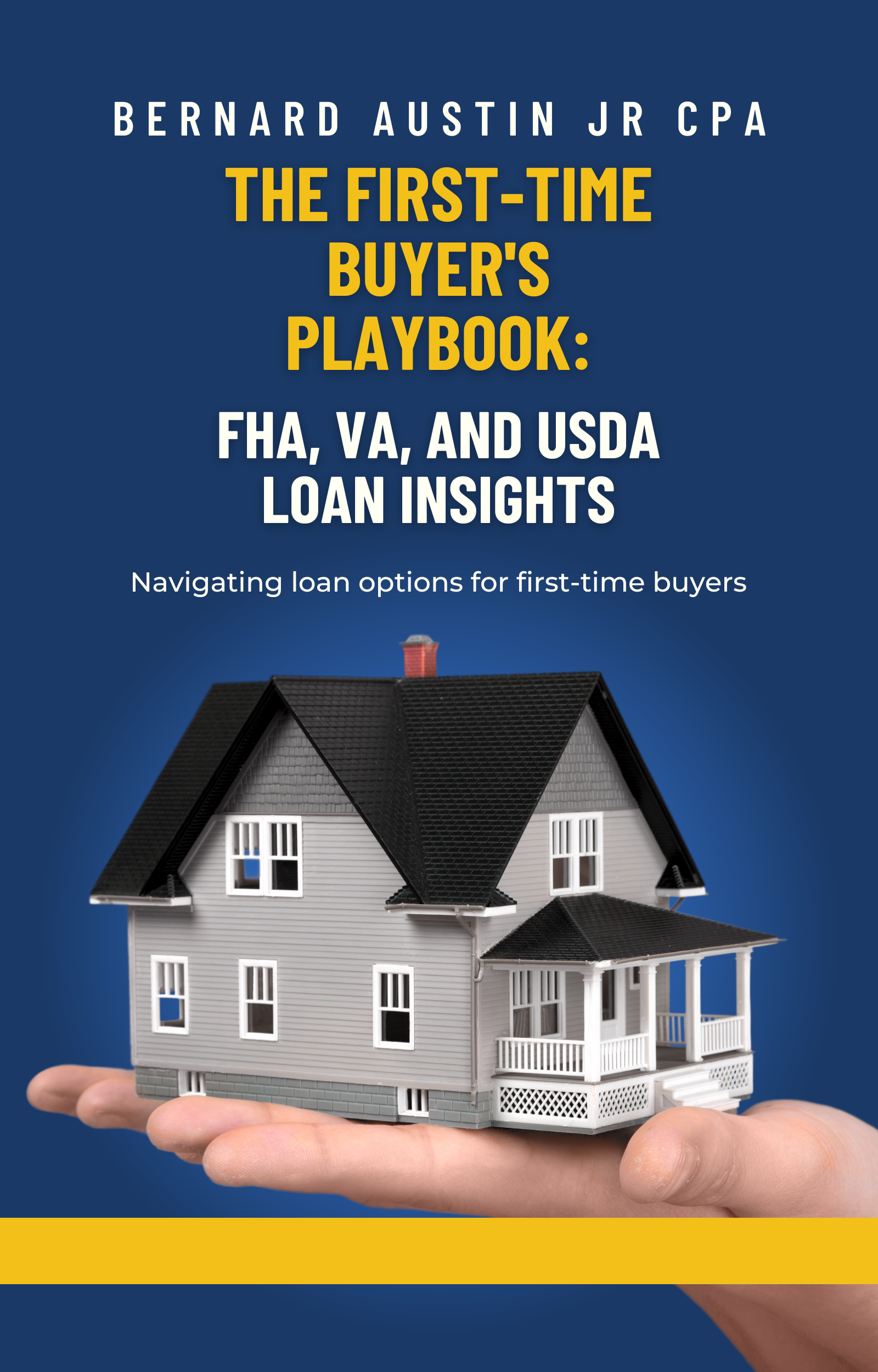
Free Guide:
First-Time Homebuyer Loans Explained
Download the free playbook that explains your options in plain English—written by a CPA and licensed Realtor.