

Understanding VA Loans and Eligibility for Texas Veterans
Understanding VA Loans and Eligibility for Texas Veterans
Introduction
For Texas veterans, accessing homeownership through VA loans represents one of the most valuable benefits earned through military service. The Department of Veterans Affairs loan program has helped millions of veterans purchase homes with favorable terms, competitive interest rates, and minimal down payment requirements. Understanding how VA loans work and determining your eligibility is crucial for Texas veterans planning to buy a home. This comprehensive guide explores the fundamentals of VA loans, breaks down eligibility requirements specific to Texas residents, and explains the practical steps involved in securing this benefit. Whether you served on active duty, in the reserves, or the National Guard, this article will help you navigate the VA loan process and make informed decisions about your homeownership journey.
What is a VA loan and how does it work
A VA loan is a mortgage option exclusively available to eligible veterans, active-duty service members, and surviving spouses. Unlike conventional loans, the VA doesn’t actually lend the money directly. Instead, the Department of Veterans Affairs guarantees a portion of the loan to the lender, which significantly reduces the lender’s risk. This guarantee allows lenders to offer borrowers more favorable terms and lower interest rates than traditional mortgages.
The VA loan guarantee is the most distinctive feature of this program. When you receive a VA loan, the government essentially backs part of your debt, meaning if you default on the loan, the VA compensates the lender for their losses. This protection makes lenders more willing to offer loans to borrowers who might not qualify for conventional financing due to credit issues or lower down payments.
One of the most appealing aspects of VA loans is that borrowers are not required to make a down payment. This stands in stark contrast to conventional loans, which typically require 5 to 20 percent down. For Texas veterans, this means you can purchase a home with zero out-of-pocket investment toward the purchase price, making homeownership far more accessible.
VA loans also come with no private mortgage insurance (PMI) requirement. Conventional borrowers putting down less than 20 percent must pay PMI, an additional monthly cost that protects the lender. Veterans are exempt from this expense, resulting in lower monthly mortgage payments compared to similar conventional loans.
The loan process involves several key steps. First, you obtain a Certificate of Eligibility from the VA, which confirms your military service meets their requirements. Next, you prequalify with a VA-approved lender to understand how much you can borrow. Then you find a property, make an offer, and the lender conducts an appraisal and underwriting process. Finally, you close on the property and receive your keys. Throughout this process, the VA’s guarantee reduces lender risk, allowing you to secure better terms than most conventional borrowers.
Eligibility requirements for Texas veterans
Determining your eligibility for a VA loan involves meeting specific military service requirements set by the Department of Veterans Affairs. These requirements are straightforward but important to understand, especially for Texas veterans considering using this benefit.
The most fundamental requirement is that you must have served on active duty in the U.S. military. However, the length of service varies depending on when you served. Veterans who served during wartime or between designated periods need a minimum of 90 days of active-duty service. Those who served during peacetime require at least 181 days of active-duty service within a 24-month period. Additionally, if you were discharged due to a service-connected disability, the time requirement may be waived.
Your discharge status plays a critical role in VA loan eligibility. The VA recognizes only certain discharge statuses as qualifying for benefits. These include:
- Honorable discharge
- General discharge under honorable conditions
- Bad conduct discharge (in certain circumstances)
- Dishonorable discharge (in certain circumstances)
If your discharge status shows “other than honorable,” “dishonorable,” “bad conduct,” or “undesirable,” you typically won’t qualify for VA loan benefits unless you receive a character of discharge determination from the VA.
Texas veterans who served in the National Guard or Reserves can also qualify for VA loans. If you were activated for federal service and completed your required service obligation, you meet the military service requirement. Simply serving as a reservist or National Guard member without federal activation doesn’t qualify you.
Surviving spouses of veterans may also be eligible under specific circumstances. If your veteran spouse died from a service-connected disability, died while on active duty, or died from a non-service-connected cause while receiving VA disability compensation, you may qualify for VA loan benefits as a surviving spouse.
It’s important to note that the VA doesn’t have credit score requirements for loan eligibility, though individual lenders may set their own minimums. Similarly, there’s no income limit, though lenders will verify you have sufficient income to repay the loan. For Texas veterans, this flexibility makes VA loans accessible even to those with less-than-perfect financial histories.
The Certificate of Eligibility and obtaining it in Texas
Before you can apply for a VA loan, you must obtain a Certificate of Eligibility (COE), an official document from the Department of Veterans Affairs confirming your military service meets their requirements. This certificate is essential and required by lenders before they’ll approve your loan application.
Obtaining your COE is a straightforward process with multiple options available to Texas veterans. The most modern and efficient method is through VA.gov, where you can apply online through your Veterans Online Application (VONAPP) account or the VA mobile app. This digital approach is the fastest, often providing your COE within minutes for those with existing VA records.
If you prefer traditional methods or don’t have online access, Texas veterans can apply by mail using VA Form 26-1880. You’ll need to submit this form along with supporting documentation such as your discharge papers (DD Form 214) to the VA regional office processing center. Processing by mail typically takes 7 to 10 business days.
Another option is requesting your COE through your lender. Many VA-approved lenders can submit an electronic request to the VA on your behalf, which expedites the process. This is particularly convenient if you’re already working with a lender to apply for your loan.
For Texas veterans who served in the National Guard or Reserves, the process is slightly different. You may need to contact your state’s military department or the federal National Guard Bureau to verify your federal activation status before applying for your COE.
Once you receive your COE, it’s valid for the duration of your military service eligibility. If your circumstances change or you need an updated certificate, the VA can issue a new one. Keep your COE in a safe place, as you’ll need to reference it during the loan application process.
Understanding that the COE is not a guarantee of loan approval is crucial. It simply confirms your eligibility for the VA loan program. Your actual loan approval depends on factors like income verification, credit history, employment status, and the property appraisal.
VA loan benefits and limitations for Texas homebuyers
VA loans offer numerous advantages that make them attractive to Texas veterans, but understanding both the benefits and limitations helps you make informed decisions about whether this loan type suits your homeownership goals.
The primary benefits of VA loans include the zero down payment requirement, which eliminates the need to save a substantial down payment before purchasing. For many Texas veterans, this alone makes homeownership achievable years earlier than conventional financing would allow. Additionally, the absence of PMI saves borrowers hundreds of dollars annually on their mortgage payments.
VA loans typically feature lower interest rates compared to conventional mortgages. Because the VA guarantees part of the loan, lenders face reduced risk and pass these savings to borrowers. Over the life of a 30-year mortgage, this interest rate advantage can save Texas veterans tens of thousands of dollars.
The program also includes favorable loan terms and flexible underwriting standards. Veterans with lower credit scores or irregular employment histories may still qualify when lenders view their applications through the VA loan lens. The VA considers compensating factors like stable military employment history and disability compensation when evaluating applications.
Here’s a comparison of key features between VA loans and conventional mortgages:
| Feature | VA Loan | Conventional Loan |
|---|---|---|
| Down payment | 0% | 5-20% |
| Private mortgage insurance | Not required | Required if less than 20% down |
| Interest rate (average) | Lower | Higher |
| Credit score requirement | No minimum set by VA | Usually 620 or higher |
| Funding fee | Typically 2-3.6% | Not applicable |
| Closing timeline | Typically faster | Typically standard |
However, VA loans do have certain limitations. The VA funding fee, typically ranging from 2 to 3.6 percent of the loan amount, is charged to most borrowers. This fee compensates the VA for the risk it assumes through the guarantee. Fortunately, disabled veterans with service-connected disabilities may qualify for a waiver of this fee, a significant benefit.
Another consideration is the VA appraisal requirement. Properties must meet specific VA standards for construction quality and safety. In rare cases, a property may fail inspection and require repairs before you can purchase it with a VA loan. This protects veterans from purchasing homes with significant defects but can occasionally complicate transactions.
Additionally, VA loans have borrowing limits in certain situations. While there’s no absolute cap on the loan amount, in high-cost areas like major Texas cities, lenders may require a down payment if the property price exceeds certain thresholds without sufficient VA guarantee coverage.
Understanding these benefits and limitations helps Texas veterans determine whether a VA loan aligns with their homeownership plans and financial situations.
Conclusion
VA loans represent a powerful tool for Texas veterans seeking to achieve homeownership with favorable financial terms. The zero down payment requirement, absence of private mortgage insurance, and competitive interest rates combine to make VA loans one of the most advantageous mortgage options available. For eligible veterans, the Certificate of Eligibility opens the door to these substantial benefits, regardless of credit history or prior financial setbacks. While VA loans do include funding fees and specific property requirements, the overall package provides tremendous value compared to conventional financing. Texas veterans should take time to verify their eligibility, obtain their Certificate of Eligibility, and work with VA-approved lenders who understand the program’s nuances. Whether you’re a first-time homebuyer or looking to refinance, exploring VA loan options ensures you fully leverage the benefits you’ve earned through military service. With thoughtful planning and proper guidance, VA loans can significantly accelerate your path to homeownership and financial stability in Texas.
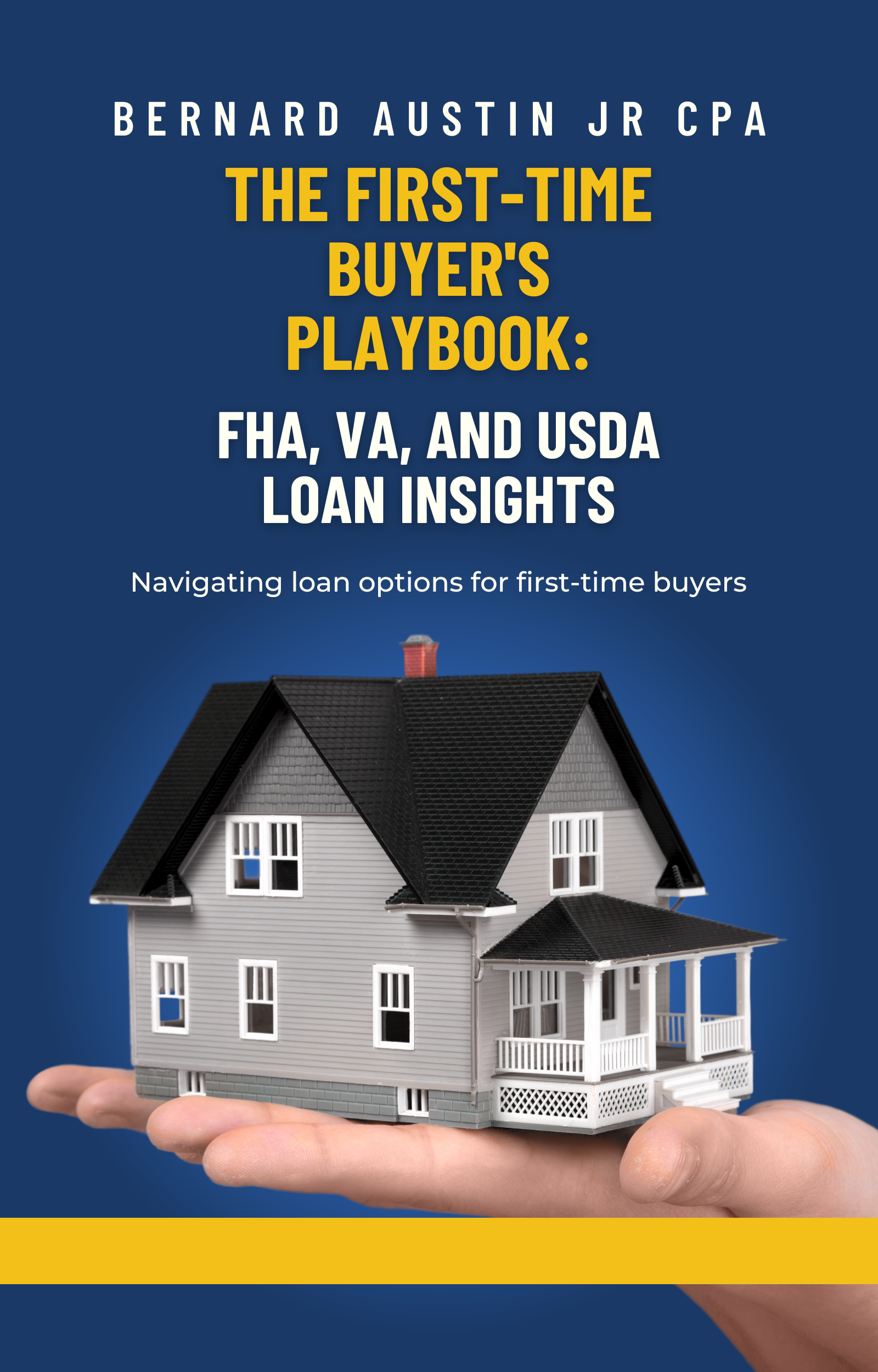
Free Guide:
First-Time Homebuyer Loans Explained
Download the free playbook that explains your options in plain English—written by a CPA and licensed Realtor.