

Understanding VA Loans and Benefits for Texas Veterans
Understanding VA loans and benefits for Texas veterans
Introduction
Texas is home to over 1.4 million veterans, many of whom have served their country with honor and dedication. For these men and women transitioning to civilian life, understanding the benefits available to them can make a significant difference in their financial future. One of the most valuable benefits offered to veterans is the VA loan program, which provides qualified service members and veterans with an opportunity to purchase a home with favorable terms. This article explores the comprehensive benefits of VA loans specifically for Texas veterans, examining how these loans work, the eligibility requirements, and the distinct advantages they offer compared to conventional financing options. Whether you’re a veteran considering homeownership or simply seeking to understand the resources available to you, this guide will provide essential information about VA loans and how they can help you achieve your goals in the Lone Star State.
What is a VA loan and how does it work
A VA loan is a mortgage program administered by the U.S. Department of Veterans Affairs that allows eligible veterans, service members, and their surviving spouses to purchase a home with favorable loan terms. Unlike conventional loans that require a down payment, VA loans are designed to make homeownership more accessible by offering zero-down-payment options. The VA doesn’t actually lend money directly; instead, the program guarantees a portion of the loan to private lenders, reducing their risk and allowing them to offer better terms to borrowers.
The loan process begins when a veteran obtains their Certificate of Eligibility from the VA, which confirms their service history and eligibility for the program. Once this documentation is secured, the veteran can apply through a VA-approved lender. The lender evaluates the application based on creditworthiness, income, and the property being purchased. Because the VA backs a significant portion of the loan, lenders are more willing to work with borrowers who might not qualify for conventional financing.
A key feature of VA loans is that they don’t require private mortgage insurance (PMI), which can save borrowers thousands of dollars over the life of the loan. Instead, borrowers may pay a one-time funding fee, which can be rolled into the loan amount. This fee varies depending on whether the borrower has made a down payment and their military category. For Texas veterans, this structure has made homeownership substantially more affordable and has contributed to strong homeownership rates among the state’s veteran population.
Eligibility requirements for Texas veterans
Not all military service automatically qualifies an individual for a VA loan. The VA has specific requirements regarding length of service and discharge status. Understanding these requirements is essential for Texas veterans seeking to use this benefit.
Generally, a veteran must meet one of the following service requirements:
- Active duty service members with at least 90 days of continuous active duty
- Reservists and National Guard members with at least six years of service
- Surviving spouses of veterans who died on active duty or from service-connected disabilities
- Spouses of service members missing in action or prisoners of war
The discharge status is equally important. Veterans must have received an honorable or general discharge under honorable conditions. Those with dishonorable discharges, bad conduct discharges, or other than honorable discharges are generally ineligible. Additionally, the VA examines the specific circumstances under which a discharge was issued, so veterans uncertain about their eligibility should contact the VA directly.
For Texas veterans, establishing eligibility typically involves obtaining a Certificate of Eligibility through the VA website, by mail, or through an authorized lender. This document confirms the applicant’s service history and entitlement to VA benefits. Many Texas-based lenders specializing in VA loans can expedite this process and guide veterans through the eligibility verification.
It’s important to note that even if a veteran has used their VA loan benefit previously, they may be able to restore their eligibility under certain circumstances, such as if a previous home purchase was sold or if the veteran paid off a previous VA loan. Texas veterans should explore these possibilities with a VA loan specialist to determine if they can access additional benefits.
Financial advantages and cost savings
The financial benefits of VA loans extend far beyond the zero-down-payment option. For Texas veterans, these advantages can translate into substantial long-term savings and increased purchasing power. One of the most significant benefits is the absence of private mortgage insurance (PMI). While conventional loans with down payments less than 20 percent require PMI, adding hundreds of dollars to monthly payments, VA loans eliminate this requirement entirely. Over a 30-year mortgage, this can save borrowers between $50,000 and $150,000 depending on the loan amount.
The funding fee, though it represents an upfront cost, is minimal compared to PMI expenses. First-time VA loan users typically pay a funding fee of 2.3 percent of the loan amount, though this is substantially lower than PMI premiums. Notably, certain veterans, including those with service-connected disabilities and surviving spouses of deceased service members, are exempt from the funding fee entirely. This exemption alone can save disabled veterans tens of thousands of dollars.
VA loans also feature competitive interest rates. Because the VA guarantee reduces the lender’s risk, many lenders offer interest rates to VA loan borrowers that are comparable to or lower than rates for conventional loans, even for borrowers with the same credit profile. In a rising interest rate environment, this advantage becomes even more pronounced.
Consider the financial comparison presented in the following table for a $300,000 home purchase in Texas:
| Loan type | Down payment | Interest rate | Monthly payment (principal and interest) | PMI/Funding fee cost over 30 years | Total cost comparison |
|---|---|---|---|---|---|
| Conventional (10% down) | $30,000 | 7.0% | $1,996 | $72,000+ (PMI) | Higher upfront and ongoing costs |
| VA loan (0% down) | $0 | 6.75% | $1,978 | $6,900 (funding fee, waived for disabled veterans) | Substantial savings, no down payment |
| FHA loan (3.5% down) | $10,500 | 6.95% | $1,991 | $54,000+ (PMI for 11+ years) | More expensive than VA loan |
Beyond mortgage-specific advantages, VA loans offer flexible underwriting standards. Lenders consider the total financial picture of borrowers, including residual income and compensating factors. This flexibility has proven invaluable for Texas veterans with irregular income or those transitioning from military to civilian employment. Additionally, VA loans allow for easier assumption of mortgages by qualified buyers, which can be advantageous when selling a property.
Maximizing your VA loan benefit in Texas
To fully leverage the VA loan benefit, Texas veterans should approach the process strategically. The first step involves obtaining the Certificate of Eligibility and understanding the full extent of your entitlement. The VA provides each eligible veteran with a basic entitlement, and in many cases, this can be used multiple times throughout a veteran’s life if previous loans have been paid off or properties have been sold.
When shopping for a lender, it’s advisable to seek out lenders with extensive VA loan experience. Many traditional banks and mortgage companies offer VA loans, but specialized VA lenders often provide superior customer service, faster processing, and better rates due to their high volume of VA loans. Texas has numerous VA-experienced lenders ranging from large national companies to local credit unions and mortgage brokers.
Veterans should also be aware of property-specific advantages. VA loans can be used to purchase single-family homes, condominiums, townhouses, and new construction properties. The property must be the veteran’s primary residence, and the VA conducts a property appraisal to ensure the value justifies the loan amount. This protection benefits both the veteran and the lender.
For Texas veterans considering home improvements or refinancing, the VA also offers other beneficial programs. The VA Interest Rate Reduction Refinance Loan (IRRRL) allows veterans to refinance existing VA loans with minimal documentation and often without a new appraisal. This program has helped thousands of Texans reduce their monthly payments and overall interest costs. Additionally, the VA offers the VA Cash-Out Refinance program, which allows veterans to tap into home equity for repairs, improvements, or other needs.
It’s equally important for veterans to avoid common pitfalls. Using VA loan benefits to purchase investment properties or vacation homes is not permitted. Additionally, veterans should be cautious about incurring significant debt before applying for a VA loan, as this can affect debt-to-income ratios and loan approval. Working with a VA loan specialist can help navigate these nuances and ensure the benefit is used optimally.
Conclusion
VA loans represent one of the most valuable benefits available to Texas veterans, offering a pathway to homeownership that is both accessible and financially advantageous. The program’s zero-down-payment option, combined with the absence of private mortgage insurance, competitive interest rates, and flexible underwriting standards, makes homeownership achievable for many veterans who might otherwise struggle to accumulate a substantial down payment or qualify for conventional financing. For Texas’s 1.4 million veterans, this benefit has transformed communities and built generational wealth through home equity. As Texas continues to grow and housing markets evolve, VA loans remain a reliable tool for veterans seeking to establish stable housing and invest in their futures. Whether you’re a young service member just beginning your military career, an active-duty soldier planning for transition, or a veteran well-established in civilian life, understanding and utilizing your VA loan benefit can provide significant financial security. By working with knowledgeable VA loan specialists and taking advantage of all available programs, Texas veterans can make informed decisions that align with their long-term goals and maximize the benefits they have earned through their service.
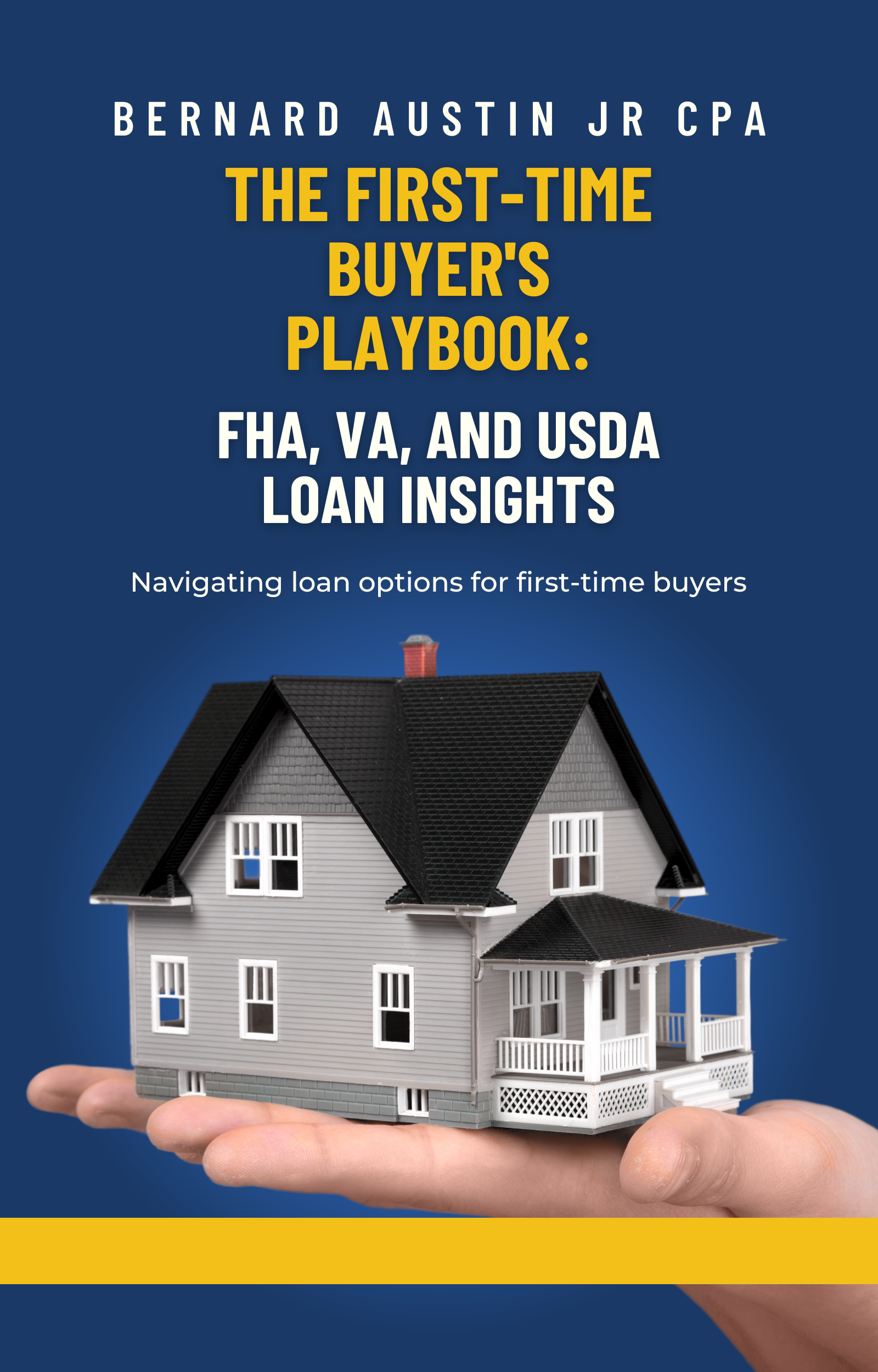
Free Guide:
First-Time Homebuyer Loans Explained
Download the free playbook that explains your options in plain English—written by a CPA and licensed Realtor.