
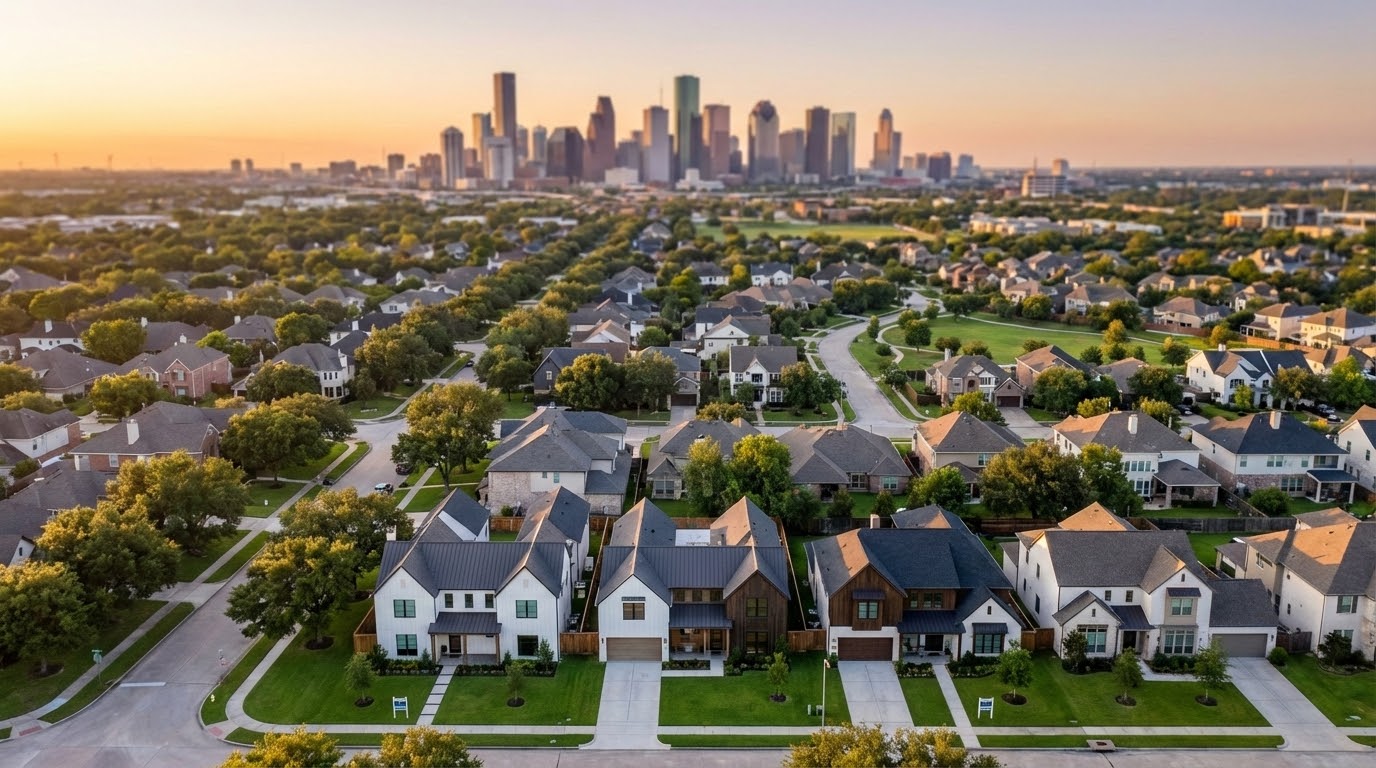
Top Neighborhoods in Houston for First-Time Homebuyers
Top neighborhoods in Houston for first-time homebuyers
Introduction
Houston presents a compelling opportunity for first-time homebuyers seeking to establish themselves in the real estate market. With its diverse neighborhoods, reasonable property prices compared to other major metropolitan areas, and strong job market, the city has become increasingly attractive to those ready to make their initial home purchase. Understanding which neighborhoods offer the best combination of affordability, amenities, and growth potential is essential for making an informed decision. This guide explores the top neighborhoods that cater specifically to first-time buyers, examining factors such as median home prices, school quality, walkability, community infrastructure, and long-term investment potential. Whether you’re drawn to vibrant urban environments or quieter suburban settings, Houston offers neighborhoods suited to various preferences and budgets.
Montrose and midtown: Urban living with character
Montrose and Midtown represent some of Houston’s most vibrant urban neighborhoods, attracting first-time homebuyers who prioritize walkability and access to culture. These areas have undergone significant revitalization over the past decade, transforming into trendy destinations with restaurants, galleries, and entertainment venues. Montrose, historically a diverse and artistic community, continues to draw young professionals seeking an established neighborhood with genuine character. The area’s tree-lined streets and eclectic architecture provide an urban atmosphere without the isolation of downtown living.
Midtown, positioned between downtown and Hermann Park, offers modern loft-style living with a strong sense of community. The neighborhood has seen considerable investment in new construction and renovated properties, making it an attractive option for buyers seeking contemporary homes within an urban setting. Both neighborhoods boast excellent public transportation connections and close proximity to major employment centers, reducing commute times significantly. However, buyers should prepare for higher price points compared to suburban alternatives, typically ranging from $350,000 to $500,000 for starter homes.
The walkability factor in these neighborhoods cannot be overstated. Most daily necessities, from grocery stores to entertainment venues, are accessible without a vehicle. This convenience appeals strongly to first-time buyers who value lifestyle flexibility and reduced transportation costs. Additionally, both Montrose and Midtown benefit from Houston’s diverse population, creating culturally rich communities with excellent dining and shopping options.
Heights and Washington Avenue: Emerging neighborhoods with investment potential
The Heights and Washington Avenue corridors have emerged as premier neighborhoods for first-time homebuyers seeking a balance between urban convenience and residential charm. These areas have experienced explosive growth over the past fifteen years, transforming from overlooked neighborhoods into highly desirable addresses. The renovation trend that started with a few ambitious investors has blossomed into a comprehensive neighborhood revitalization, with historic homes restored to their original charm while incorporating modern amenities.
First-time buyers in the Heights benefit from several advantages. The neighborhood’s proximity to downtown, approximately 4 miles away, makes commuting manageable without requiring expensive fuel costs. Property values have appreciated consistently, with homes that sold for $200,000 ten years ago now commanding $450,000 to $600,000. While these prices reflect the neighborhood’s popularity, early entries into the market position buyers well for future appreciation. The strong community spirit fostered by local organizations, frequent street festivals, and farmers markets creates an environment where residents actively engage with their surroundings.
Washington Avenue, running through and connecting several neighborhoods, has developed into a commercial and residential corridor with significant potential. Mixed-use developments along the avenue combine residential units with ground-floor retail, creating vibrant streetscapes. For first-time buyers, this means being positioned in an area with continuous development momentum and improving infrastructure. The neighborhood’s younger demographic and active community organizations suggest sustained demand and long-term value stability.
The architectural diversity in these neighborhoods appeals to buyers with different aesthetic preferences. Victorian homes sit alongside converted warehouses and modern new construction, allowing buyers to choose properties reflecting their personal style while remaining in the same desirable community.
Pearland and Sugar Land: Suburban comfort with urban proximity
For first-time homebuyers prioritizing space, newer construction, and established suburban amenities, Pearland and Sugar Land offer compelling alternatives to urban neighborhoods. Located south and southwest of downtown Houston respectively, these communities provide the suburban experience many families seek while maintaining reasonable commutes to employment centers. Both neighborhoods have experienced planned development, resulting in well-organized communities with excellent schools, parks, and recreational facilities.
Pearland has positioned itself as an attractive destination through strategic investment in parks, trails, and community centers. The master-planned communities within Pearland offer modern homes in price ranges more accessible to first-time buyers, typically starting around $250,000 for starter homes and reaching $400,000 for larger properties. The neighborhood’s focus on outdoor recreation, with extensive park systems and the Pearland Parkway Trail system, appeals to families and active individuals. Schools in the Pearland Independent School District consistently rank among the state’s best, a significant consideration for families with children.
Sugar Land, similarly planned and developed, attracts buyers seeking established infrastructure and reliable property value appreciation. The neighborhood centers around Imperial Sugar, its historical anchor, and has evolved into a thriving community with shopping centers, golf courses, and cultural attractions. Home prices in Sugar Land generally range from $280,000 to $450,000 for quality starter homes, reflecting the neighborhood’s desirability and stability.
Both communities offer advantages for first-time buyers concerned with schools, safety, and community amenities. However, potential residents should understand that suburban living requires personal vehicle ownership for most daily activities. Commutes to downtown Houston typically range from 30 to 45 minutes depending on traffic conditions, though employment opportunities within Sugar Land and Pearland themselves have grown significantly in recent years.
| Neighborhood | Median home price | Distance from downtown | Primary appeal | Best for |
|---|---|---|---|---|
| Montrose | $400,000 – $550,000 | 3-4 miles | Urban walkability, culture, character | Young professionals, artists |
| Midtown | $350,000 – $500,000 | 2-3 miles | Modern living, entertainment, transit | Urban lifestyle seekers |
| The Heights | $450,000 – $600,000 | 4-5 miles | Investment potential, community, charm | Value-conscious buyers seeking appreciation |
| Washington Avenue | $380,000 – $520,000 | 3-6 miles | Development momentum, mixed-use living | Buyers expecting future growth |
| Pearland | $250,000 – $400,000 | 25-30 miles | Suburban comfort, schools, space | Families, suburban preference |
| Sugar Land | $280,000 – $450,000 | 30-35 miles | Planned community, amenities, stability | Families, established community seekers |
Decision-making framework for first-time buyers
Selecting the right neighborhood requires honest assessment of personal priorities, financial capacity, and lifestyle preferences. First-time buyers often face competing desires: the urban appeal of walkable neighborhoods versus the spacious comfort of suburban areas, investment potential versus immediate affordability, and trendy appreciation zones versus established stable communities. Understanding your genuine priorities proves essential rather than following market trends or peer influences.
Financial considerations extend beyond the mortgage payment itself. Urban neighborhoods typically offer lower property costs but higher HOA fees, property taxes on smaller lots, and premium prices for goods and services. Suburban properties may carry lower base prices but require vehicle ownership, fuel costs, and longer commute expenses. Calculate the total cost of living in each potential neighborhood rather than focusing solely on home purchase price.
Commute analysis deserves careful attention, as transportation costs and time significantly impact quality of life. Using traffic mapping tools during typical commute hours, not off-peak times, provides realistic assessments. Consider that your employment situation may change; neighborhoods offering diverse job opportunities provide flexibility for career transitions. Houston’s dispersed employment centers mean that some neighborhoods provide better access to various job types than others.
Community longevity affects both quality of life and investment value. Neighborhoods with strong community organizations, local events, and engaged residents typically maintain values better through economic cycles. Visit potential neighborhoods at different times of day and days of the week to assess the actual community atmosphere rather than relying solely on promotional materials.
School quality matters even for buyers without children, as it affects resale value. Homes in highly-rated school districts appreciate more consistently and experience less volatility during market downturns. Research school ratings through Texas Education Agency data and visit schools to assess quality personally.
Conclusion
Houston’s diverse neighborhoods offer first-time homebuyers multiple pathways to property ownership, each with distinct advantages aligned to different priorities and circumstances. Urban neighborhoods like Montrose and Midtown provide walkability, cultural richness, and access to employment centers for those prioritizing lifestyle convenience, though at higher price points. The Heights and Washington Avenue corridor present compelling investment opportunities for buyers willing to navigate restoration projects or accept emerging infrastructure, with strong appreciation potential. Suburban options in Pearland and Sugar Land deliver the space, newer construction, and established amenities families seek, providing stability and quality schools at more accessible price points. Success in Houston’s real estate market depends not on selecting the objectively “best” neighborhood, but rather identifying which characteristics align with your individual needs, financial situation, and long-term goals. By thoroughly evaluating neighborhoods through multiple visits, calculating actual living costs, and assessing community dynamics, first-time buyers can confidently select neighborhoods supporting both immediate satisfaction and sustained property value appreciation, establishing a strong foundation for their real estate journey.

Free Guide:
First-Time Homebuyer Loans Explained
Download the free playbook that explains your options in plain English—written by a CPA and licensed Realtor.