
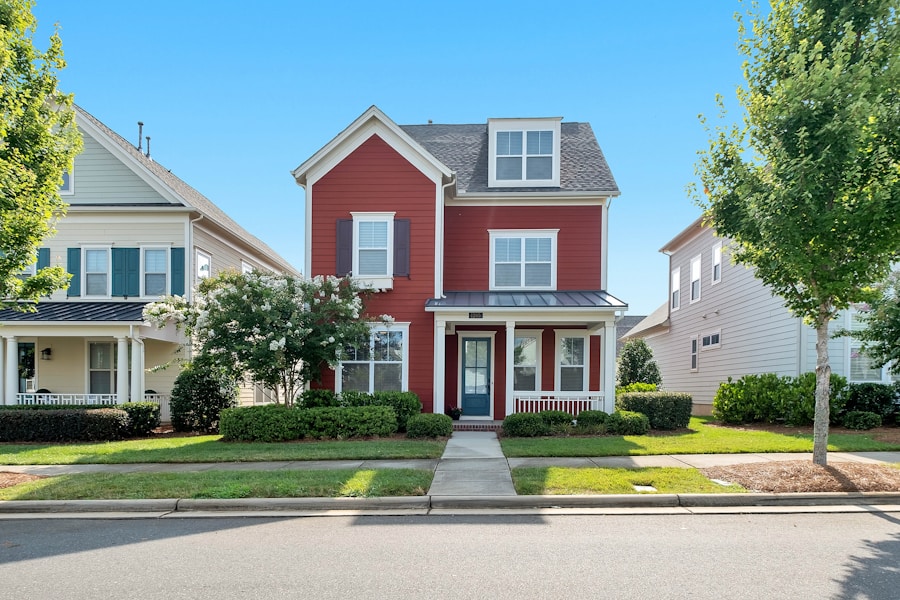
The Ultimate Guide to Buying Your First Home: Tips and Tricks from Real Estate Experts
The process of purchasing a first home can be a significant undertaking. This guide aims to provide practical advice, drawing on insights from real estate professionals, to assist prospective homebuyers. It addresses crucial stages from initial preparation to closing, offering a structured approach to a complex transaction.
Initial Preparations for Homeownership
Before embarking on the home search, foundational preparations are essential. This stage involves a critical assessment of your financial standing and personal objectives. Without a clear understanding of these elements, the subsequent steps become less focused and potentially more challenging.
Assessing Your Financial Health
Your financial health is the bedrock of homeownership. Lenders will thoroughly evaluate your capacity to manage a mortgage.
Understanding Your Credit Score
Your credit score acts as a financial report card. It reflects your historical ability to manage debt. A higher score typically translates to more favorable loan terms, including lower interest rates. Before engaging with lenders, obtain a copy of your credit report from the three major bureaus (Equifax, Experian, TransUnion) and review it for inaccuracies. Discrepancies can negatively impact your score and should be rectified promptly.
Calculating Your Debt-to-Income Ratio (DTI)
Lenders use DTI to assess your ability to repay a mortgage. It is the percentage of your gross monthly income that goes toward debt payments. A common guideline is that your DTI should not exceed 43%, though this can vary by lender and loan program. Calculate this ratio meticulously, accounting for credit card payments, student loans, car loans, and any other regular debt obligations.
Building a Down Payment Fund
The down payment is a significant upfront cost. While some loan programs offer low or even zero-down options, a larger down payment generally reduces your monthly mortgage payment and can make your offer more attractive to sellers. Research various savings strategies, including high-yield savings accounts or investment vehicles that align with your timeline. Consider programs specifically designed to assist first-time homebuyers with down payment assistance.
Exploring Mortgage Pre-Approval
Pre-approval is a letter from a lender indicating their willingness to lend you a specified amount, based on a preliminary review of your finances. This is not a guarantee of a loan, but it provides a realistic budget and demonstrates to sellers that you are a serious and qualified buyer. Obtain pre-approval before actively viewing properties.
Defining Your Homeownership Needs and Wants
A home is more than just a structure; it is a living space. Clarifying your requirements will narrow your search and prevent wasted effort.
Prioritizing Location
Location is often considered paramount in real estate. Consider factors such as commute times, proximity to schools, access to amenities (grocery stores, healthcare), and neighborhood demographics. Research property values in different areas to understand local market trends.
Determining Home Type and Size
Evaluate your current and future needs. Do you require a single-family home, a condominium, or a townhouse? How many bedrooms and bathrooms are essential? Consider the practicalities of maintaining each type of property. Factor in family growth or potential lifestyle changes.
Identifying Must-Haves and Nice-to-Haves
Distinguish between elements that are non-negotiable (e.g., a certain number of bedrooms, a specific school district) and those that are desirable but not essential (e.g., hardwood floors, a large garden). This distinction will help you make informed decisions when compromises become necessary.
Navigating the Home Search
With your financial groundwork laid and your preferences defined, you can now enter the active search phase. This stage involves engaging with real estate professionals and systematically evaluating properties.
Engaging a Real Estate Agent
A real estate agent can be a valuable asset throughout the home buying process. Their local market knowledge and negotiation skills can prove beneficial.
Selecting an Agent
Interview several agents to find one whose communication style and experience align with your needs. Look for an agent with a strong track record of working with first-time homebuyers in your desired areas. Verify their licensure and references.
Understanding the Agent’s Role
A buyer’s agent represents your interests. They can assist with property identification, scheduling showings, drafting offers, and navigating negotiations. They are typically compensated through a commission paid by the seller.
Property Evaluation and Viewings
This is the phase where you transform abstract desires into tangible prospects. Approaching property viewings with a critical eye is important.
Beyond Online Listings
While online listings offer a broad overview, they provide a limited perspective. Consider details that are not easily captured online, such as the immediate neighborhood atmosphere, noise levels, and the overall condition of adjacent properties.
Conducting Thorough Walkthroughs
During viewings, take notes and photographs. Pay attention to the age and condition of major systems (HVAC, plumbing, electrical), signs of water damage, or structural issues. Envision your daily life within the space. Do not hesitate to ask your agent questions about any concerns.
Considering the Long-Term Investment
A home is a significant financial commitment. Think about the property’s resale potential and how future market trends might affect its value. Consider potential renovations and their associated costs.
Making an Offer and Negotiation
Once you have identified a suitable property, the next step is to formulate an offer. This stage often involves careful strategizing and negotiation.
Crafting a Competitive Offer
An offer is more than just a price; it is a comprehensive proposal.
Determining the Offer Price
Your agent can provide comparable sales data (comps) for similar properties recently sold in the area. This data, combined with the property’s condition and market trends, will help you determine a competitive offer price. Avoid relying solely on the asking price as a definitive valuation.
Including Contingencies
Contingencies are conditions that must be met for the contract to proceed. Common contingencies include a satisfactory home inspection, obtaining financing, and an appraisal at or above the offer price. These clauses protect you as the buyer.
Presenting Your Offer
Your agent will present the offer to the seller’s agent. Be prepared for potential counteroffers. This iterative process often involves negotiating terms beyond just the price, such as closing costs or repair credits.
The Negotiation Process
Negotiation is a dynamic exchange. Remain patient and communicate clearly with your agent.
Understanding Seller Motivations
Sellers may have various motivations. Understanding these can inform your negotiation strategy. For example, a seller eager for a quick sale might be more flexible on price, while one with a long closing timeline might prioritize convenience.
Setting Your Boundaries
Before entering negotiations, determine your absolute maximum offer price and any terms you are unwilling to compromise on. Having clear boundaries will prevent emotional decisions.
Importance of Due Diligence
Even after an offer is accepted, due diligence continues. This involves further investigations and assessments based on the contingencies in your offer.
Due Diligence and Financing
With an accepted offer, the process shifts to fulfilling contingencies and securing the final mortgage. This stage is critical for uncovering any latent issues with the property or your financing.
The Home Inspection
A home inspection is a critical step in which a professional evaluates the property’s condition.
Selecting a Qualified Inspector
Choose a certified and experienced home inspector. Ask for recommendations from your agent or peers. Review their sample reports to ensure thoroughness.
Understanding the Inspection Report
The inspection report will detail any deficiencies or potential issues with the property, from minor repairs to significant structural concerns. This report serves as a roadmap for understanding the property’s health.
Negotiating Repairs or Credits
Based on the inspection report, you may negotiate with the seller for repairs, a credit at closing to cover repair costs, or a price reduction. Not all identified issues warrant a negotiation. Focus on significant or safety-related concerns.
Securing Your Mortgage
The pre-approval was an initial step; now, you are securing the actual loan.
The Mortgage Application Process
This involves submitting extensive financial documentation to your chosen lender. Be prepared to provide bank statements, tax returns, pay stubs, and other financial records.
Understanding Loan Types
Research different mortgage types (e.g., conventional, FHA, VA, USDA) and their specific requirements. Each loan product has distinct advantages and disadvantages. Your lender can guide you in selecting the most suitable option.
The Appraisal
Your lender will order an appraisal to determine the property’s market value. This ensures that the loan amount does not exceed the property’s worth. If the appraisal comes in lower than the offer price, it can impact your financing.
Navigating Underwriting
Underwriting is the process where the lender verifies all information and assesses the risk of the loan. This can involve requests for additional documentation or clarification. Respond to these requests promptly to avoid delays.
Closing the Deal
| Topic | Metrics |
|---|---|
| Home Buying Budget | Average budget for first-time homebuyers |
| Mortgage Rates | Current average mortgage rates |
| Down Payment | Recommended percentage for down payment |
| Real Estate Market | Median home prices in popular areas |
| Home Inspection | Percentage of homes with major issues |
The final stage in the homebuying journey is closing, where ownership is officially transferred. This involves a series of legal and financial formalities.
Final Walk-Through
Before closing, conduct a final walk-through of the property. This ensures that the property is in the agreed-upon condition and that any agreed-upon repairs have been completed. Check that all fixtures and appliances included in the sale are present and functional.
Reviewing Closing Documents
You will receive a stack of legal and financial documents at closing. Review these documents carefully, ideally with your agent or an attorney. Pay close attention to the Closing Disclosure (CD), which details all financial aspects of the transaction, including loan terms and closing costs. Ensure that all figures align with previous agreements.
Understanding Closing Costs
Closing costs are fees associated with the home purchase, separate from the down payment. These can include origination fees, appraisal fees, title insurance, attorney fees, and recording fees. They typically range from 2% to 5% of the loan amount. Be prepared for these expenses.
The Closing Ceremony
At the closing appointment, you will sign numerous documents. This is typically attended by you, your agent, the seller (or their representative), and a closing agent or attorney. The closing agent will explain each document and facilitate the transfer of funds. Once all documents are signed and funds are disbursed, you will receive the keys to your new home. This marks the culmination of the homebuying process.
FAQs
1. What are the key factors to consider when buying your first home?
When buying your first home, it’s important to consider factors such as location, budget, size of the property, amenities, and potential for future resale value.
2. What are some tips for first-time homebuyers to navigate the real estate market?
First-time homebuyers should start by getting pre-approved for a mortgage, researching neighborhoods, hiring a reputable real estate agent, and conducting thorough inspections of potential properties.
3. What are some common mistakes to avoid when buying your first home?
Common mistakes to avoid when buying your first home include not sticking to a budget, skipping home inspections, not considering future resale value, and not researching the neighborhood thoroughly.
4. How can first-time homebuyers negotiate the best deal on a property?
First-time homebuyers can negotiate the best deal on a property by doing their research on comparable home prices, being prepared to walk away from a deal, and working with a skilled real estate agent.
5. What are some important legal and financial considerations for first-time homebuyers?
First-time homebuyers should consider legal and financial factors such as understanding the terms of their mortgage, budgeting for closing costs, and hiring a real estate attorney to review contracts and agreements.

Free Guide:
First-Time Homebuyer Loans Explained
Download the free playbook that explains your options in plain English—written by a CPA and licensed Realtor.