

The Ultimate Guide to Becoming a Successful Commercial Real Estate Investor
Becoming a successful commercial real estate investor requires a strategic approach. This guide outlines the key components of developing a robust investment strategy, from foundational knowledge to ongoing portfolio management.
Understanding the Commercial Real Estate Market
Commercial real estate is a complex ecosystem with distinct asset classes and market dynamics. Success hinges on a thorough understanding of these fundamentals.
Defining Commercial Real Estate
Commercial real estate refers to properties used for business purposes, generating income through rent or capital appreciation. Unlike residential real estate, which primarily serves individual housing needs, commercial properties are designed for occupants engaged in commercial activities. This includes a broad spectrum of property types, each with its own investment characteristics and risk profiles. Recognizing these differences is the first step in navigating the commercial real estate landscape.
Key Commercial Property Types
- Office Buildings: Properties leased to businesses for administrative, professional, or clerical work. These vary from single-tenant executive suites to large multi-tenant office towers. Class A buildings are typically newer, in prime locations with high-quality amenities, while Class C properties are older, requiring significant renovations.
- Retail Spaces: Properties leased to businesses that sell goods or services directly to consumers. This category encompasses strip malls, shopping centers, stand-alone retail stores, and large department stores. Location and visibility are paramount for retail success.
- Industrial Properties: Warehouses, manufacturing facilities, distribution centers, and flex spaces. These properties are crucial for supply chains and logistics. Factors like ceiling height, loading docks, and proximity to transportation hubs are significant.
- Multifamily Properties: Apartment buildings with five or more units. While often categorized separately, larger multifamily complexes function as commercial ventures with a focus on generating rental income.
- Hospitality Properties: Hotels, motels, and extended-stay accommodations. These investments are sensitive to economic cycles, travel trends, and consumer spending.
- Special Purpose Properties: Including self-storage facilities, medical offices, data centers, and entertainment venues. These cater to specific niche markets and require specialized knowledge.
Market Analysis and Due Diligence
Before investing, a comprehensive market analysis is essential. This involves examining local economic indicators, demographic trends, employment growth, and vacancy rates for specific property types within a target market. Due diligence is the process of verifying all information and uncovering potential risks. This includes reviewing leases, tenant creditworthiness, property condition assessments, environmental reports, and zoning regulations. Failing to conduct thorough due diligence is akin to building a house on sand; it invites instability.
Economic Factors Influencing Commercial Real Estate
The performance of commercial real estate is intrinsically linked to the broader economic climate. Interest rates, inflation, GDP growth, and employment levels all play a significant role. For instance, rising interest rates can increase the cost of debt financing, thereby impacting investor returns. Conversely, a robust economy with strong job growth often translates to higher demand for commercial space.
Developing an Investment Strategy
A clear and well-defined investment strategy acts as your compass in the often-turbulent waters of commercial real estate. Without this, you risk drifting aimlessly.
Defining Investment Goals and Objectives
Your investment goals should be specific, measurable, achievable, relevant, and time-bound (SMART). Are you seeking long-term capital appreciation, consistent cash flow, or a combination of both? Your risk tolerance will heavily influence the types of properties and markets you consider. Some investors prioritize stable, income-generating assets, while others are willing to take on more risk for potentially higher returns.
Risk Assessment and Tolerance
Every investment carries risk. Understanding and quantifying these risks is crucial. Market risk, tenant default risk, interest rate risk, and property-specific risks all need to be evaluated. Your tolerance for these risks will dictate your investment choices. For example, investing in a Class A office building in a major metropolitan area might have lower vacancy risk but a higher entry cost compared to a smaller industrial property in a secondary market.
Property Type Specialization vs. Diversification
A common strategic decision is whether to specialize in a particular property type or diversify across multiple asset classes. Specialization allows for deeper expertise and operational efficiencies within a niche. However, it also concentrates risk. Diversification can mitigate this by spreading investments across different property types, geographic locations, and tenant bases, thus creating a more resilient portfolio. This is akin to not putting all your eggs in one basket.
Geographic Targeting
Identifying target markets is a critical step. This involves researching areas with strong economic fundamentals, population growth, and favorable supply-demand dynamics for your chosen property types. Consider factors such as transportation infrastructure, local government policies, and the presence of anchor tenants that can drive foot traffic or attract other businesses.
Acquisition and Financing Strategies
The acquisition phase is where opportunities are transformed into assets. Strategic financing is the engine that powers this transformation.
Sourcing Investment Opportunities
Opportunities can arise through various channels.
- Brokers and Agents: Established relationships with commercial real estate brokers can provide access to off-market deals and proprietary listings.
- Online Platforms and Databases: Websites like LoopNet, CoStar, and Crexi offer extensive listings and market data.
- Networking: Attending industry events, joining professional organizations, and building relationships with other investors, lenders, and developers can unearth hidden gems.
- Direct Outreach: Identifying underperforming properties or properties with motivated sellers and approaching them directly can yield unique opportunities.
Due Diligence Process in Detail
Thorough due diligence is non-negotiable. This phase is a deep dive into every aspect of the potential investment.
- Financial Review: Analyzing historical operating statements, rent rolls, tenant leases, and expense reports to project future income and expenses. Understanding the true net operating income (NOI) is paramount.
- Physical Inspection: Engaging qualified inspectors to assess the structural integrity, mechanical systems, roofing, HVAC, and overall condition of the property. Identifying deferred maintenance and potential capital expenditures is key.
- Legal and Title Review: Verifying clear title, reviewing existing easements, encroachments, and any legal encumbrances. This includes examining zoning compliance and land use restrictions.
- Environmental Assessment: Conducting Phase I Environmental Site Assessments to identify potential contamination that could lead to significant cleanup costs and legal liabilities.
Financing Options for Commercial Real Estate
Securing appropriate financing is vital to maximizing returns.
- Conventional Mortgages: Loans from banks and commercial lenders, typically requiring a significant down payment and a strong borrower credit history.
- Mezzanine Financing: A hybrid of debt and equity, often used to bridge the gap between senior debt and equity. It carries higher interest rates than senior debt due to its subordinate position.
- Joint Ventures: Partnering with other investors to pool capital and share risk and rewards. This can provide access to larger deals and diverse expertise.
- Syndications: Pooling capital from multiple investors to acquire a property, managed by a sponsor who handles acquisition and management.
- Seller Financing: The seller provides financing to the buyer, which can be beneficial when traditional financing is unavailable or to negotiate more favorable terms.
Understanding Leverage and Its Impact
Leverage, or the use of borrowed money to finance an investment, can amplify returns. However, it also magnifies losses. A well-leveraged investment can significantly boost equity returns through a favorable spread between the cost of debt and the property’s yield. Conversely, excessive leverage can create financial distress if the property’s performance falters. Balancing leverage is an art form.
Property Management and Value Enhancement
Once acquired, a commercial property requires diligent management and strategic enhancements to ensure its long-term profitability and appreciation.
Effective Tenant Relations and Lease Management
Fostering positive tenant relationships is crucial for minimizing vacancy and ensuring consistent rental income. This involves timely responses to maintenance requests, clear communication, and fair lease enforcement. Proactive lease management, including understanding renewal options and market rent adjustments, is vital for optimizing revenue. Happy tenants are like a steady stream of water; they keep the garden of your investment well-watered.
Strategies for Value Enhancement
Several strategies can increase a property’s value.
- Capital Improvements: Investing in upgrades and renovations that enhance the property’s appeal, functionality, and tenant desirability. This could include modernizing common areas, improving energy efficiency, or adding amenities.
- Operational Efficiencies: Streamlining property operations to reduce expenses without compromising quality. This might involve renegotiating service contracts, optimizing utility consumption, or implementing new management software.
- Repositioning the Property: Adapting the property to meet changing market demands. This could involve converting office space to residential units or redeveloping a retail center to incorporate experiential elements.
- Increasing Occupancy: Implementing effective marketing and leasing strategies to attract and retain tenants, thereby increasing rental income and reducing vacancy.
Property Maintenance and Capital Expenditure Planning
Regular maintenance prevents minor issues from escalating into costly repairs. A proactive maintenance schedule and a clear capital expenditure plan are essential. This involves budgeting for significant future expenses such as roof replacements, HVAC upgrades, or structural repairs, ensuring these are accounted for and planned for well in advance.
Navigating Economic Downturns and Market Fluctuations
Economic downturns are an inevitable part of the real estate cycle. Successful investors anticipate these periods and have strategies in place to mitigate their impact. This might involve maintaining healthy cash reserves, diversifying tenant bases to reduce reliance on single industries, or holding properties with strong lease terms to locked-in income. The ability to weather the storm is a hallmark of resilience.
Portfolio Management and Long-Term Growth
| Metrics | Data |
|---|---|
| Number of Properties Owned | 10 |
| Total Investment Portfolio Value | 50,000,000 |
| Average Annual Return on Investment | 12% |
| Number of Successful Deals Closed | 25 |
| Years of Experience in Commercial Real Estate | 15 |
Building a successful commercial real estate portfolio is an ongoing process of strategic management, adaptation, and growth.
Performance Monitoring and Key Performance Indicators (KPIs)
Regularly monitoring portfolio performance is critical. Key metrics include:
- Occupancy Rate: The percentage of rentable space that is leased.
- Net Operating Income (NOI): Gross rental income minus operating expenses.
- Cash-on-Cash Return: Annual pre-tax cash flow divided by the total cash invested.
- Internal Rate of Return (IRR): The discount rate at which the net present value of all cash flows from a particular investment equals zero.
- Debt Service Coverage Ratio (DSCR): The ratio of a property’s NOI to its debt service payment, indicating its ability to cover loan payments.
Rebalancing and Diversification Strategies
As markets and your own financial situation evolve, portfolio rebalancing becomes necessary. This involves adjusting asset allocations to maintain your desired risk profile and maximize returns. Diversification should not be a one-time event but an ongoing strategy, considering different property types, geographic locations, and tenant industries.
Exit Strategies and Disposition Planning
Having a clear exit strategy for each investment is crucial. This could involve selling the property after a predetermined holding period, refinancing to extract equity for reinvestment, or holding the property for passive income in perpetuity. Understanding market conditions and timing a disposition effectively can significantly impact overall returns.
Staying Informed and Continuous Learning
The commercial real estate landscape is dynamic. Continuous learning is not merely an option; it’s a necessity. Staying abreast of market trends, economic developments, legislative changes, and emerging investment strategies ensures you can adapt and capitalize on new opportunities. This involves reading industry publications, attending seminars, and engaging with experienced professionals. The world of commercial real estate is a vast ocean, and continuous learning is your vessel for navigating its depths.
FAQs
What is commercial real estate investing?
Commercial real estate investing involves purchasing, owning, leasing, and selling commercial properties such as office buildings, retail spaces, industrial facilities, and multifamily properties for the purpose of generating income and potential appreciation.
What are the key factors to consider when investing in commercial real estate?
Key factors to consider when investing in commercial real estate include location, property type, market trends, tenant quality, financing options, and potential for future growth and income.
What are the different strategies for investing in commercial real estate?
Different strategies for investing in commercial real estate include buying and holding properties for rental income, flipping properties for quick profits, developing new properties, and investing in real estate investment trusts (REITs) or real estate syndications.
What are the potential risks and rewards of commercial real estate investing?
Potential rewards of commercial real estate investing include high income potential, tax benefits, and potential for property appreciation. Risks include market fluctuations, tenant turnover, property maintenance costs, and potential financing challenges.
What are some tips for becoming a successful commercial real estate investor?
Tips for becoming a successful commercial real estate investor include conducting thorough market research, building a strong network of industry professionals, staying informed about market trends, being financially disciplined, and continuously educating oneself about the industry.
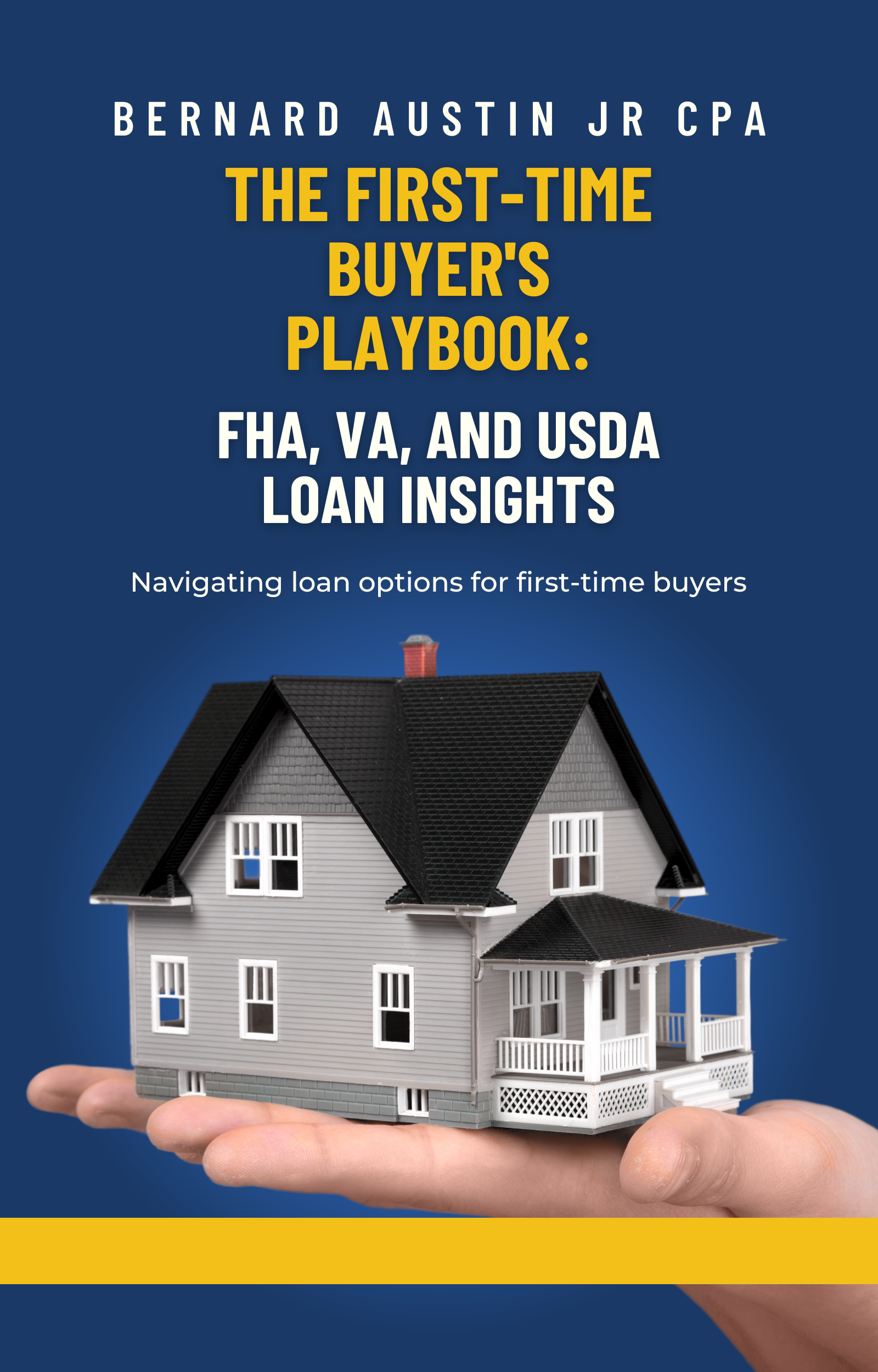
Free Guide:
First-Time Homebuyer Loans Explained
Download the free playbook that explains your options in plain English—written by a CPA and licensed Realtor.