
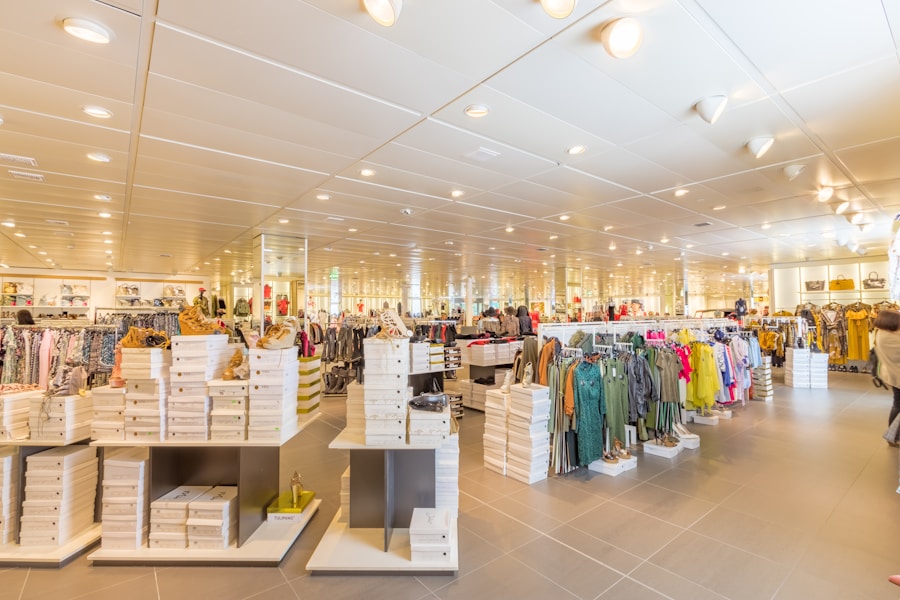
The Future of Retail Real Estate: Adapting to Changing Consumer Behavior
The retail real estate sector, a historically robust segment of the economy, is undergoing a significant transformation. Shifting consumer behaviors, driven by technological advancements and evolving societal values, are necessitating a reevaluation of traditional models. This article explores the forces impacting this sector and the strategies being employed for adaptation.
The Evolving Retail Landscape
The traditional brick-and-mortar retail model, once a dominant force, faces increasing pressure from a confluence of factors. Consumers’ purchasing habits have diversified, moving beyond physical storefronts to embrace a broader spectrum of shopping experiences.
Digital Disruption and E-commerce Growth
The proliferation of e-commerce platforms has fundamentally reshaped retail. Online shopping offers unparalleled convenience, a vast selection, and often competitive pricing, challenging the established advantages of physical stores. This digital shift compels retail real estate owners to consider how their properties can complement rather than compete with online channels. The rise of “showrooming,” where consumers browse products in physical stores only to purchase them online, highlights this challenge. Conversely, “webrooming,” where consumers research online before buying in-store, suggests a persistent role for physical retail.
Changing Consumer Expectations
Modern consumers demand more than just transactional spaces. They seek experiences, convenience, and a sense of community. This shift in expectations requires retailers and their landlords to move beyond a purely transactional mindset. Properties must offer value propositions that extend beyond product acquisition.
The Reimagining of Physical Space
The response to these shifts is not an abandonment of physical retail, but rather its reinvention. Retail spaces are evolving from mere points of sale to multifaceted hubs designed to engage consumers in novel ways. The focus is shifting from square footage to experience per square foot.
Experience-Driven Retail
Retailers are increasingly investing in experiential elements to draw consumers into their physical spaces. This includes interactive displays, workshops, pop-up events, and immersive brand activations. For example, a bookstore might host author readings and literary clubs, transforming itself into a cultural hub rather than just a place to buy books. Similarly, apparel retailers might offer styling sessions or host fashion shows. These experiences create a unique value proposition that e-commerce cannot easily replicate. Retail landlords are recognizing the need to facilitate these experiences, often by offering flexible lease terms for pop-ups or allocating common areas for community events.
Blended Retail Models
The lines between online and offline retail are blurring, leading to the emergence of blended models. “Click and collect” services, where customers purchase online and pick up in-store, are becoming commonplace. Similarly, many online-native brands are establishing physical footprints, recognizing the value of direct customer interaction and brand visibility. These physical stores often serve as brand showcases or fulfillment centers, rather than traditional sales-intensive environments. The symbiotic relationship between online and offline channels is becoming more pronounced, with each complementing the other.
The Rise of Service-Oriented Tenants
Beyond traditional retail, sectors providing services are increasingly valuable tenants. Healthcare providers, fitness centers, salons, and educational institutions are filling spaces previously occupied by conventional retailers. These service-oriented businesses often rely on physical presence and appointments, creating a steady footfall and a different kind of economic ecosystem within retail developments. This diversification of tenancy helps to stabilize revenue streams for property owners and offers a broader range of amenities for consumers.
The Role of Technology in Physical Retail
Technology is not solely an adversary; it is also a powerful tool for enhancing the physical retail experience. Smart applications of technology can bridge the gap between digital convenience and the tangibility of brick-and-mortar.
Data Analytics and Personalization
Retailers are leveraging data analytics to understand consumer behavior within physical spaces. This includes tracking foot traffic patterns, analyzing dwell times, and personalizing offers based on previous purchases or browsing history. Beacons and RFID technology can provide insights into customer movement, allowing for optimized store layouts and targeted marketing. This data-driven approach transforms physical retail from a guessing game into a more precise and responsive operation. Landlords can also utilize this data to inform leasing strategies and optimize tenant mix.
Augmented Reality and Virtual Reality
AR and VR technologies are beginning to impact in-store experiences. Consumers can virtually try on clothes, visualize furniture in their homes, or interact with product demonstrations in new ways. These immersive technologies can enhance engagement and reduce returns, offering a novel blend of digital and physical interaction. While still nascent, these technologies hold the potential to redefine product discovery and purchasing decisions within physical stores.
Seamless Checkout and In-Store Operations
Technological advancements are streamlining in-store operations. Self-checkout kiosks, mobile payment options, and AI-powered inventory management systems improve efficiency and reduce friction for both consumers and retailers. The goal is to minimize wait times and maximize convenience, making the physical shopping experience as seamless as its online counterpart. Automated systems reduce labor costs and allow staff to focus on customer service rather than transactional tasks.
Adaptive Strategies for Retail Real Estate Owners
Property owners and developers face the imperative to adapt their portfolios and strategies to remain competitive. This involves a proactive approach to property management, tenant relations, and community engagement. Property owners can no longer be passive landlords; they must be active partners in the retail ecosystem.
Diversification of Portfolios
Reliance on a single type of retail tenant presents increased risk in the current climate. Property owners are diversifying their portfolios to include a wider array of uses, such as residential, office, hospitality, and entertainment components, within their retail developments. This creates mixed-use environments that offer a broader appeal and generate more consistent foot traffic. A shopping center might evolve into a “lifestyle center” with apartments, a hotel, and workspaces alongside retail.
Flexible Lease Structures
Traditional long-term leases with fixed rents are becoming less prevalent. Landlords are offering more flexible lease structures, including shorter terms, pop-up options, and performance-based rents, to attract and retain tenants. This adaptability allows retailers to experiment with physical spaces without significant long-term commitments, fostering innovation and reducing entry barriers. This approach also allows landlords to cycle through concepts and keep their properties fresh and relevant.
Redevelopment and Repurposing
Underperforming retail properties are undergoing significant redevelopment. Vacant big-box stores, for instance, are being repurposed into entertainment venues, self-storage facilities, or even last-mile distribution centers. This adaptive reuse breathes new life into stagnant assets and reflects a pragmatic approach to optimizing existing infrastructure. The transformation of a defunct department store into a vibrant community hub exemplifies this trend. Demolition may be a last resort, as repurposing can be more sustainable and cost-effective.
The Future of Retail Real Estate: A Community Hub
| Metrics | Data |
|---|---|
| Online Sales Growth | 15% year-over-year |
| Foot Traffic in Malls | Decreased by 5% in the last 3 years |
| Pop-up Store Trend | Increased by 50% in the last year |
| Consumer Preference | 70% prefer experiences over products |
| Store Closures | Over 9,300 stores closed in 2019 |
The trajectory suggests that the future of retail real estate lies in its evolution into community hubs. These spaces will transcend mere commerce, offering a blend of retail, services, entertainment, and social interaction. They will become destinations where people gather for a myriad of reasons beyond just shopping. The metaphor here is that of a town square, not just a marketplace.
Integration with Urban Planning
Retail developments are increasingly being integrated into broader urban planning initiatives. This means considering connectivity to public transport, pedestrian accessibility, and the overall social fabric of the surrounding area. Retail centers are being designed as walkable, mixed-use districts that enhance the quality of urban life, rather than isolated commercial islands. This approach creates value not only for property owners but also for the wider community.
Focus on Sustainability and Wellness
Sustainability and wellness are becoming integral considerations in retail real estate development. Environmentally friendly building practices, green spaces, and amenities promoting health and well-being are attracting both tenants and consumers. This reflects a growing societal awareness and demand for responsible development. Retail environments that incorporate natural light, ample green areas, and healthy food options are gaining an advantage.
Curated Tenant Mix
The selection of tenants is becoming a strategic art form. Landlords are curating tenant mixes that create synergistic relationships and offer a cohesive experience. This involves fostering a blend of national brands, local businesses, and unique concepts that resonate with the target demographic. An anchor tenant might be less about sheer size and more about its ability to generate significant footfall and provide a unique experience. The goal is to create a dynamic ecosystem where each tenant contributes to the overall appeal of the property.
In conclusion, the retail real estate sector is not facing an existential crisis but rather a profound call for adaptation. Moving forward, successful retail properties will function not just as places of transaction, but as vibrant, multifaceted community assets that anticipate and respond to the ever-changing needs and desires of the consumer. Those who embrace innovation, flexibility, and a consumer-centric approach will define the next era of retail real estate.
FAQs
What is the current state of retail real estate?
The retail real estate industry is facing challenges due to changing consumer behavior, such as the rise of e-commerce and shifting preferences for experiential retail.
How are retailers adapting to changing consumer behavior?
Retailers are adapting by incorporating technology, enhancing the in-store experience, and utilizing omnichannel strategies to meet the demands of modern consumers.
What are some trends shaping the future of retail real estate?
Trends shaping the future of retail real estate include the repurposing of traditional retail spaces for mixed-use developments, the integration of online and offline retail experiences, and the focus on sustainability and community engagement.
What role does technology play in the future of retail real estate?
Technology plays a crucial role in the future of retail real estate by enabling retailers to gather data on consumer behavior, personalize the shopping experience, and streamline operations through automation and digital tools.
How can retail real estate owners and developers stay competitive in the changing landscape?
Retail real estate owners and developers can stay competitive by embracing innovation, diversifying their tenant mix, and creating unique, engaging environments that cater to the evolving needs and preferences of consumers.

Free Guide:
First-Time Homebuyer Loans Explained
Download the free playbook that explains your options in plain English—written by a CPA and licensed Realtor.