
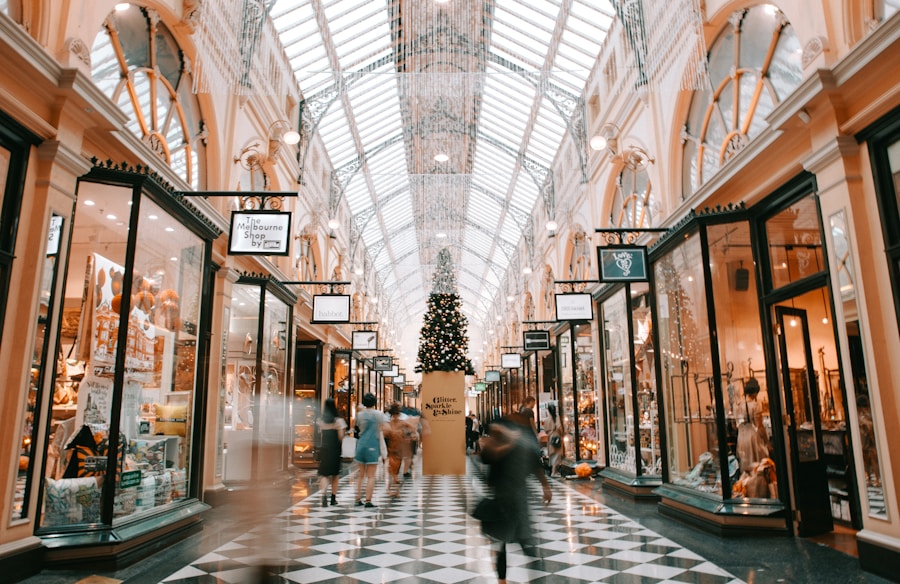
The Future of Retail Real Estate: Adapting to Changing Consumer Behavior
The retail real estate landscape undergoes continuous evolution, driven by shifts in consumer behavior and technological advancements. This article examines current trends and future trajectories in retail property development, management, and investment. It explores how various entities within the sector are adapting to these changes, focusing on strategies that address evolving consumer expectations and market demands.
Evolving Consumer Behavior: The Driving Force
Consumer behavior has undergone a profound transformation over the past two decades. The proliferation of e-commerce, coupled with changing demographics and shifting values, has redefined the retail experience. These changes are not
superficial; they represent a fundamental alteration in how consumers interact with brands and physical retail spaces.
The Rise of E-commerce and its Impact
The digital revolution has democratized access to products and services, offering convenience and a vast selection. Online shopping platforms have become potent competitors to traditional brick-and-mortar stores, prompting a re-evaluation of the purpose and function of physical retail. This competition is not an existential threat to physical retail but rather a catalyst for its reinvention.
- Convenience and Selection: Online retailers offer unparalleled convenience, allowing consumers to shop anytime, anywhere, and from a diverse array of products often exceeding the inventory of a single physical store. This convenience often trumps the immediate gratification of in-store purchases for many product categories.
- Price Transparency: The internet facilitates easy price comparisons, empowering consumers to find the best deals. This transparency puts pressure on brick-and-mortar retailers to offer competitive pricing or to differentiate themselves through other means.
- Personalization and Analytics: E-commerce platforms leverage data analytics to offer personalized recommendations and targeted promotions. This level of customization enhances the online shopping experience and sets a high bar for physical retailers striving to replicate similar levels of individualized engagement.
Shifting Demographics and Values
Generational shifts and evolving societal values play a significant role in shaping consumer preferences. Younger generations, in particular, exhibit distinct shopping habits and expectations.
- Experientialism: Consumers increasingly prioritize experiences over mere transactions. For retail real estate, this translates into a demand for spaces that offer more than just products. This often involves integrating entertainment, dining, and community-focused activities.
- Sustainability and Ethics: A growing segment of consumers is conscious of the environmental and social impact of their purchases. Retailers and landlords who demonstrate a commitment to sustainability, ethical sourcing, and corporate social responsibility may attract and retain these discerning customers. This is not simply a trend; it is becoming a core valueProposition for many successful brands.
- Community and Authenticity: There is a renewed interest in local businesses, craft products, and authentic experiences. This favors retail environments that foster a sense of community and support independent retailers, moving away from generic, interchangeable shopping experiences.
Reinventing Physical Retail: Beyond Transactions
The physical retail store is no longer solely a point of sale. It is transforming into a multi-faceted hub for brand engagement, customer service, and community building. This reinvention is essential for retail real estate to remain relevant and profitable.
The Experiential Store Concept
To compete with the convenience of e-commerce, physical stores must provide compelling reasons for consumers to visit. Experiential retail transforms shopping into an event.
- Entertainment and Engagement: Integrating elements like workshops, classes, live demonstrations, and interactive displays can draw customers in and encourage longer dwell times. This shifts the store from a mere repository of goods to a destination.
- Immersive Brand Experiences: Flagship stores, in particular, are evolving into brand showcases designed to immerse visitors in the brand’s narrative and values. These spaces prioritize sensory experiences, aesthetics, and storytelling over immediate sales.
- Pop-ups and Temporary Stores: The agility of pop-up shops allows brands to test new markets, launch limited-edition products, and create temporary, exclusive experiences that generate buzz and drive foot traffic. This also offers landlords flexibility in utilizing vacant spaces.
The Blurring of Lines: Retail, Hospitality, and Entertainment
The boundaries between retail, hospitality, and entertainment are increasingly dissolving. Mixed-use developments that integrate these elements are becoming commonplace. This synergy creates vibrant environments that attract diverse visitors and encourage extended stays.
- F&B Integration: High-quality food and beverage offerings are now considered essential components of many retail developments. Cafes, restaurants, and food halls enhance the overall customer experience and provide additional revenue streams.
- Co-working and Wellness Spaces: Integrating co-working facilities, fitness centers, and wellness studios adds further utility and draws a broader demographic to retail hubs. This promotes a “live-work-play” ethos within retail environments.
- Cultural and Artistic Programming: Art installations, live music, and community events can transform retail spaces into cultural destinations, driving foot traffic and fostering a sense of place. This often makes the retail experience more memorable and shareable.
The Role of Technology: Enhancing, Not Replacing
Technology is an indispensable tool in the modernization of retail real estate. It offers opportunities to personalize experiences, streamline operations, and gather valuable data. However, technology should serve to enhance the human element, not overshadow it.
Data Analytics and Personalization
Understanding customer behavior is paramount. Data analytics provides insights that inform retail strategies and personalize the customer journey.
- Foot Traffic Analysis: Sensors and cameras can track customer movements, identifying popular areas, bottlenecks, and dwell times. This data helps optimize store layouts and merchandising strategies.
- AI-Powered Recommendations: Similar to online platforms, AI can analyze in-store purchase history and preferences to offer tailored product recommendations and promotions. This bridges the gap between online and offline personalization.
- Sentiment Analysis: Through various methods, retailers can gauge customer sentiment, allowing for real-time adjustments to service and offerings. This improves customer satisfaction and loyalty.
Omnichannel Integration
The distinction between online and offline shopping is becoming increasingly blurred. An effective omnichannel strategy seamlessly integrates all touchpoints, providing a consistent and convenient experience.
- Click-and-Collect (BOPIS): Buy Online, Pick Up In Store (BOPIS) offers consumers the convenience of online shopping with the immediacy of in-store pickup, reducing shipping costs and wait times. This leverages the physical store as a valuable fulfillment center.
- Endless Aisle: Technology like interactive screens allows customers to browse and order products not physically available in the store, expanding inventory effectively. This eliminates the limitations of physical space.
- Augmented Reality (AR) and Virtual Reality (VR): AR can allow customers to virtually “try on” clothes or visualize furniture in their homes. VR can offer immersive product demonstrations or virtual tours of concept stores, providing enriched pre-purchase experiences.
Adaptive Re-use and Sustainable Development
The future of retail real estate is not solely about new construction. Repurposing existing structures and prioritizing sustainable practices are critical components of a resilient and environmentally responsible industry.
Transforming Vacant Spaces
As some traditional retail formats decline, adapting existing buildings for new purposes is essential for urban revitalization and resource efficiency.
- Mall Repurposing: Struggling shopping malls are being redeveloped into mixed-use centers incorporating residential units, offices, healthcare facilities, and entertainment venues. This breathes new life into large, often strategically located properties.
- Logistics Hubs: Former big-box stores are being transformed into last-mile fulfillment centers, capitalizing on their size and accessibility to urban populations. This leverages existing infrastructure for new logistical demands.
- Community Centers: Vacant retail spaces can be reimagined as community hubs, offering public services, educational programs, and co-working facilities, fostering local engagement and providing valuable resources.
Green Building and Circular Economy Principles
Sustainability is no longer a niche concern but a fundamental expectation for many stakeholders. Retail real estate must embrace environmentally conscious practices throughout a project’s lifecycle.
- Energy Efficiency: Designing buildings with energy-efficient HVAC systems, LED lighting, and renewable energy sources reduces operational costs and environmental impact. This is a clear path to long-term cost savings and reduced carbon footprint.
- Sustainable Materials: Utilizing recycled, locally sourced, and low-impact building materials contributes to a more sustainable construction process. This minimizes the embodied energy of the building.
- Waste Reduction and Recycling: Implementing robust waste management programs, including recycling and composting, minimizes landfill contributions and promotes a circular economy approach within retail operations.
The Evolving Role of the Landlord and Investor
| Metrics | Data |
|---|---|
| Online Sales Growth | 15% year-over-year |
| Foot Traffic in Malls | Decreased by 5% in the last 3 years |
| Pop-up Store Trend | Increased by 50% in the last year |
| Consumer Preference | 70% prefer experiences over products |
| Store Closures | Over 9,300 stores closed in 2019 |
The traditional landlord-tenant relationship is shifting. Property owners and investors must adopt more flexible, data-driven, and partnership-oriented approaches to thrive in this dynamic environment.
Flexible Lease Structures
Rigid, long-term leases are becoming less appealing to retailers facing rapidly changing market conditions. Landlords must offer more adaptable options.
- Shorter Lease Terms: Providing shorter lease agreements or options for periodic renewals allows retailers greater flexibility to adapt to market shifts without being locked into unfavorable terms. This reduces risk for tenants.
- Percentage Rent: Incorporating percentage rent clauses, where a portion of rent is tied to a tenant’s sales performance, aligns the interests of landlords and retailers, incentivizing both parties to drive success. This makes the landlord a de facto partner in the tenant’s success.
- Pop-up and Incubator Programs: Offering space for temporary tenants or emerging brands at reduced rates can fill vacancies, generate interest, and serve as incubators for future long-term tenants. This fosters innovation and diversity within retail developments.
Leveraging Data for Strategic Decisions
Investors and landlords increasingly rely on data analytics to inform acquisition, development, and management strategies. This moves investment decisions from intuition to evidence-based analysis.
- Market Trend Analysis: Utilizing demographic data, economic indicators, and consumer spending patterns to identify promising submarkets and property types. This allows for proactive investment in growth areas.
- Tenant Performance Monitoring: Tracking sales data, foot traffic, and customer reviews to assess tenant performance and identify opportunities for optimization or intervention. This ensures the health of the retail ecosystem.
- Predictive Analytics: Employing advanced analytics to forecast future retail trends, tenant demand, and rental values, enabling more informed investment decisions and risk mitigation. This provides a forward-looking perspective on the market.
Conclusion
The future of retail real estate is defined by agility, innovation, and a deep understanding of the evolving consumer. It is a future where physical spaces are not merely points of sale but dynamic hubs that offer experiences, foster community, and seamlessly integrate with digital channels. Landlords, developers, and investors who embrace these transformations, investing in sustainable practices, technological enhancements, and flexible models, will be well-positioned to navigate the complexities of this evolving landscape. The metaphor of retail real estate as a rigid, unyielding structure is outdated; it must now be viewed as a living, adaptable organism, responsive to the currents of consumer desire and technological progress. Failure to adapt risks obsolescence; success lies in proactive transformation.
FAQs
What is the current state of retail real estate?
The retail real estate industry is facing challenges due to changing consumer behavior, such as the rise of e-commerce and shifting preferences for experiential retail.
How are retailers adapting to changing consumer behavior?
Retailers are adapting by incorporating technology, enhancing the in-store experience, and utilizing omnichannel strategies to meet the demands of modern consumers.
What are some trends shaping the future of retail real estate?
Trends shaping the future of retail real estate include the repurposing of traditional retail spaces for mixed-use developments, the integration of online and offline retail experiences, and the focus on sustainability and community engagement.
What role does technology play in the future of retail real estate?
Technology plays a crucial role in the future of retail real estate by enabling retailers to gather data on consumer behavior, personalize the shopping experience, and streamline operations through automation and digital tools.
How can retail real estate owners and developers stay competitive in the changing landscape?
Retail real estate owners and developers can stay competitive by embracing innovation, diversifying their tenant mix, and creating unique, engaging environments that cater to the evolving needs and preferences of consumers.

Free Guide:
First-Time Homebuyer Loans Explained
Download the free playbook that explains your options in plain English—written by a CPA and licensed Realtor.