
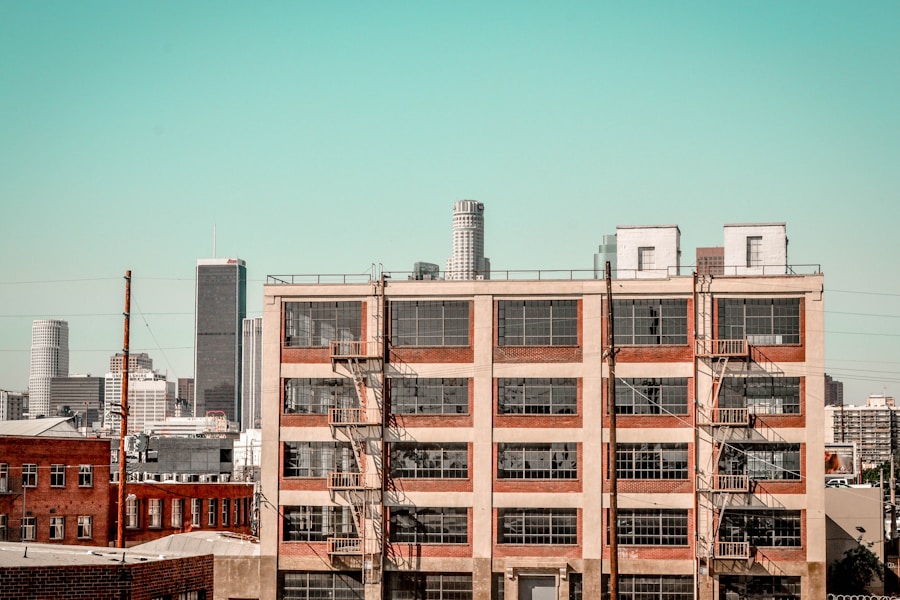
The Future of Industrial Real Estate: Trends and Opportunities for Growth
Industrial real estate, once a sector defined by its utilitarian nature, is undergoing significant transformation. This evolution is driven by shifts in global trade, technological advancements, and evolving consumer expectations. Understanding these dynamics is crucial for investors, developers, and businesses reliant on efficient supply chains. This article explores key trends and opportunities shaping the future of industrial real estate.
The Evolving Landscape of Logistics and Supply Chains
The traditional model of industrial real estate, characterized by large, single-tenant warehouses, is giving way to a more complex and interconnected ecosystem. The rise of e-commerce has been a primary catalyst, demanding faster delivery times and more intricate distribution networks.
The E-commerce Effect
E-commerce has fundamentally reshaped consumer behavior, fostering an expectation of rapid and reliable delivery. This “on-demand” culture necessitates a responsive and resilient supply chain. Industrial real estate, as the physical infrastructure supporting this, must adapt. We are seeing a demand for smaller, strategically located facilities closer to urban centers, often referred to as “last-mile” logistics hubs. These facilities aim to minimize the final leg of delivery, the most expensive component of an e-commerce transaction.
Reshoring and Nearshoring Trends
Geopolitical uncertainties, supply chain disruptions experienced during the COVID-19 pandemic, and increasing labor costs in some traditional manufacturing hubs have prompted a re-evaluation of global sourcing strategies. This has led to a noticeable trend towards reshoring (bringing manufacturing back to the country of origin) or nearshoring (relocating production to nearby countries). This shift directly impacts industrial real estate demand, particularly in regions gaining new manufacturing facilities. These facilities often require specialized infrastructure, such as advanced automation and enhanced electrical grids, influencing site selection and development.
Automation and Robotics Integration
The integration of automation and robotics within warehouses and distribution centers is no longer a futuristic concept; it is a present reality. Automated guided vehicles (AGVs), robotic picking systems, and automated storage and retrieval systems (AS/RS) are becoming increasingly common. This trend significantly impacts facility design. Higher clear heights, reinforced floors to support heavy machinery, and specialized power infrastructure are becoming standard requirements. Industrial properties that can accommodate these technologies will hold a competitive advantage.
Sustainability and ESG Considerations
Environmental, Social, and Governance (ESG) factors are increasingly influencing investment decisions across all asset classes, and industrial real estate is no exception. Investors, tenants, and even regulatory bodies are prioritizing sustainable practices.
Green Building Certifications
The pursuit of green building certifications, such as LEED (Leadership in Energy and Environmental Design) or BREEAM (Building Research Establishment Environmental Assessment Method), is becoming a standard practice in new industrial developments. These certifications demonstrate a commitment to energy efficiency, reduced water consumption, and improved indoor air quality. For a developer or owner, achieving these certifications can enhance property value, attract environmentally conscious tenants, and potentially unlock access to green financing options.
Renewable Energy Integration
The installation of renewable energy sources, particularly rooftop solar panels, is a tangible step towards reducing operating costs and environmental impact. Given the vast roof space typically available on industrial facilities, solar energy generation offers a significant opportunity for self-sufficiency and even revenue generation through selling surplus energy back to the grid. This contributes to a company’s sustainability profile and offers long-term financial benefits.
Water Conservation and Waste Management
Beyond energy, sustainable industrial properties incorporate robust water conservation strategies, including rainwater harvesting and efficient landscaping. Waste management programs, with an emphasis on recycling and reducing landfill contributions, are also becoming integral. These practices not only align with ESG principles but can also lead to operational efficiencies and cost savings for tenants.
Technology’s Transformative Role
Technology extends beyond automation within the warehouse, permeating all aspects of industrial real estate from site selection to property management.
Data Analytics and Predictive Modeling
The judicious use of data analytics is transforming site selection and development. Investors and developers are leveraging vast datasets on demographics, traffic patterns, labor availability, and consumer behavior to identify optimal locations for new facilities. Predictive modeling can forecast future demand, minimize risk, and optimize the layout and functionality of industrial parks. This data-driven approach moves beyond intuitive decision-making, providing a more scientific basis for investment.
Smart Warehouses and IoT
The concept of a “smart warehouse” is gaining traction. This involves integrating the Internet of Things (IoT) devices to create interconnected systems that monitor various aspects of the facility. Sensors can track environmental conditions like temperature and humidity, monitor equipment performance, and even manage inventory levels in real-time. This connectivity allows for proactive maintenance, optimized energy usage, and improved operational efficiency. Think of it as the nervous system of the facility, providing constant feedback and enabling intelligent responses.
Cybersecurity in Industrial Operations
As industrial operations become more interconnected and reliant on technology, cybersecurity becomes paramount. Breaches in operational technology (OT) systems can lead to significant disruptions, intellectual property theft, or even physical damage. Developers and owners must implement robust cybersecurity measures within smart warehouses and ensure that their tenants are also adhering to best practices. This is no longer an IT concern alone; it is a fundamental aspect of secure industrial infrastructure.
Adapting to Market Dynamics and Capital Flows
The industrial real estate market is highly responsive to broader economic conditions and shifts in investment patterns. Understanding these dynamics is essential for successful navigation.
Institutional Investment Growth
Industrial real estate has proven its resilience and strong performance, particularly during periods of economic uncertainty. This has attracted significant institutional investment, including pension funds, sovereign wealth funds, and private equity firms. The sector is now considered a core asset class, moving beyond its historical perception as a niche investment. This influx of capital fuels development and modernization.
Speculative Development vs. Built-to-Suit
While built-to-suit projects (facilities designed and constructed for a specific tenant) remain prevalent, the confidence in the industrial market is also driving a resurgence in speculative development. Developers are building facilities without a pre-committed tenant, anticipating strong demand. This suggests a healthy market, but it also carries inherent risks, requiring careful market analysis and financial prudence.
Rental Growth and Vacancy Rates
Strong demand for industrial space, particularly in prime logistics hubs, has led to sustained rental growth across many markets. Concurrently, vacancy rates remain historically low in many key areas, indicating a tight market. This favorable supply-demand dynamic supports continued investment in the sector, but developers must remain mindful of the potential for oversupply in specific submarkets.
Emerging Opportunities and Future Outlook
| Key Trends | Opportunities for Growth |
|---|---|
| Increased demand for e-commerce fulfillment centers | Investment in modern logistics facilities |
| Rise of automation and robotics in warehouses | Development of high-tech industrial parks |
| Shift towards sustainable and energy-efficient buildings | Integration of renewable energy sources in industrial properties |
| Adoption of flexible and adaptable industrial spaces | Repurposing of existing properties for new industrial uses |
The trajectory of industrial real estate points towards continued innovation and adaptation. Several nascent trends offer significant opportunities for growth.
Multi-Story Industrial Facilities
In densely populated urban areas where land is scarce and expensive, multi-story industrial facilities are emerging as a viable solution. These vertical warehouses maximize space utilization, bringing distribution closer to urban populations and reducing transportation costs. While more complex to build, they offer an effective answer to the “last-mile” challenge in land-constrained environments. Think of them as urban canyons for logistics, where efficiency is stacked vertically.
Data Centers and Cold Storage
Specialized industrial properties, such as data centers and cold storage facilities, are experiencing substantial growth. The proliferation of digital data and the increasing demand for fresh and frozen goods are driving this expansion. These facilities have unique infrastructure requirements – immense power consumption and cooling for data centers, precise temperature control for cold storage – making them distinct sub-sectors within industrial real estate. Investing in these specialized niches requires specific expertise and understanding of their operational demands.
Flexible and Adaptable Spaces
The rapid pace of technological change and evolving business models necessitate industrial spaces that are flexible and adaptable. Facilities need to be designed with modularity in mind, allowing for easy reconfigurations to accommodate new technologies, changes in inventory management, or shifts in production processes. The building itself becomes a configurable platform, rather than a rigid structure. This foresight in design can significantly extend the useful life of an industrial asset.
Urban Infill and Redevelopment
Repurposing existing underutilized urban spaces, such as abandoned commercial properties or brownfield sites, for industrial use presents a significant opportunity. This urban infill development addresses the land scarcity issue in prime locations and contributes to urban revitalization. However, these projects often come with environmental remediation challenges and complex zoning considerations, requiring expert navigation. The challenge is akin to threading a needle, weaving new industrial life into existing urban fabric.
In conclusion, industrial real estate is a dynamic sector, constantly evolving in response to global forces. For those involved, understanding the interplay of e-commerce, sustainability, technological advancement, and capital flows is paramount. The future promises continued innovation, demanding adaptability and strategic foresight from all stakeholders. Successful navigation of this landscape will involve embracing technology, prioritizing sustainability, and understanding both the broad trends and the nuanced demands of specific sub-sectors. The industrial facility is no longer just a box; it is an intelligent, interconnected, and environmentally conscious node in the global supply chain.
FAQs
What are the current trends in industrial real estate?
Industrial real estate is experiencing a surge in demand due to the growth of e-commerce, logistics, and manufacturing industries. There is a trend towards larger, more modern facilities to accommodate advanced technology and automation.
How is the rise of e-commerce impacting industrial real estate?
The rise of e-commerce has led to an increased need for distribution centers and fulfillment facilities in close proximity to urban areas. This has resulted in a shift towards last-mile logistics facilities and a focus on efficient transportation and delivery networks.
What opportunities are emerging in industrial real estate?
Opportunities in industrial real estate include the development of multi-story warehouses in urban areas, the repurposing of older industrial buildings for modern use, and the integration of technology to optimize operations and increase efficiency.
How is technology influencing the future of industrial real estate?
Technology is playing a significant role in the future of industrial real estate, with advancements in automation, robotics, and data analytics driving the need for more sophisticated and adaptable facilities. This includes the implementation of smart building systems and the use of predictive maintenance to optimize operations.
What challenges are facing the industrial real estate sector?
Challenges facing the industrial real estate sector include the availability of suitable land for development, the need for infrastructure improvements to support larger facilities, and the potential impact of economic and geopolitical factors on global supply chains. Additionally, environmental sustainability and energy efficiency are becoming increasingly important considerations for industrial real estate development.

Free Guide:
First-Time Homebuyer Loans Explained
Download the free playbook that explains your options in plain English—written by a CPA and licensed Realtor.