

Mastering Real Estate Financing: How to Secure the Best Deals and Rates
Understanding the Landscape of Real Estate Financing
Real estate financing is a mechanism by which individuals and entities acquire property without immediate full payment. It involves a network of financial institutions, legal frameworks, and market dynamics. For the borrower, navigating this landscape effectively can lead to more favorable acquisition terms.
Types of Financing Instruments
Various instruments facilitate real estate acquisition. Each carries distinct characteristics regarding structure, risk, and suitability for different borrower profiles.
- Conventional Mortgages: These are loans not insured or guaranteed by government agencies. They adhere to specific underwriting criteria established by institutions like Fannie Mae and Freddie Mac for resale on the secondary market. Borrowers typically require a good credit score, stable income, and a down payment of at least 3% (though 20% often avoids private mortgage insurance). Interest rates can be fixed or adjustable. Fixed-rate mortgages offer payment stability over the loan term, while adjustable-rate mortgages (ARMs) typically have lower initial rates that can fluctuate with market indices.
- Government-Backed Loans: These loans are insured or guaranteed by federal agencies, reducing risk for lenders and broadening access to financing for a wider range of borrowers.
- FHA Loans: Backed by the Federal Housing Administration, these loans feature lower down payment requirements (as low as 3.5%) and more lenient credit score criteria compared to conventional mortgages. They are popular among first-time homebuyers. However, FHA loans require mortgage insurance premiums (MIP) for the life of the loan or a significant portion of it, increasing the overall cost.
- VA Loans: Guaranteed by the Department of Veterans Affairs, these loans are available to eligible service members, veterans, and surviving spouses. A significant benefit is the possibility of no down payment and no private mortgage insurance. They often come with competitive interest rates. Eligibility is limited to those with qualifying service.
- USDA Rural Development Loans: These loans, provided by the U.S. Department of Agriculture, assist low- to moderate-income individuals in purchasing homes in eligible rural areas. They can offer 100% financing with low mortgage insurance premiums. Geographic eligibility and income limits are strict.
- Portfolio Loans: These are loans originated and held by the lender, rather than being sold on the secondary market. They offer greater flexibility in underwriting and can accommodate unique borrower situations that might not fit conventional criteria. This flexibility often comes with higher interest rates or stricter down payment requirements. Lenders have more discretion in setting terms.
- Hard Money Loans: These are short-term, asset-based loans typically provided by private investors or companies. They are characterized by high interest rates, short repayment periods (often 6 months to 3 years), and a focus on the collateral’s value rather than the borrower’s creditworthiness. Hard money loans are frequently used for distressed properties, fix-and-flip projects, or situations where rapid funding is required and conventional financing is not feasible. The increased risk for the lender is reflected in the borrowing costs.
- Private Money Loans: Similar to hard money loans, private money loans originate from individual private investors or groups. The terms are often negotiated directly between borrower and lender, offering flexibility. Interest rates and fees can vary significantly based on the relationship and perceived risk. These are often used for investment properties or quickly executing time-sensitive deals.
Understanding Loan Components
The total cost of borrowing extends beyond the advertised interest rate. Several components contribute to the overall expenditure over the loan’s lifetime.
- Interest Rate vs. APR: The interest rate is the percentage charged by the lender for the principal borrowed. The Annual Percentage Rate (APR), however, represents the total cost of the loan as an annual percentage. It incorporates the interest rate plus other fees, such as origination fees, discount points, and some closing costs. Comparing APRs provides a more accurate picture of the true cost of different loan offers.
- Down Payment: This is the initial sum of money a buyer pays towards the purchase price of a property. A larger down payment reduces the loan amount and can result in lower monthly payments, lower interest rates, and the avoidance of private mortgage insurance (PMI) on conventional loans if it reaches 20% or more.
- Closing Costs: These are expenses incurred during the property transaction, separate from the purchase price and down payment. They typically range from 2% to 5% of the loan amount and include legal fees, appraisal fees, title insurance, loan origination fees, and escrow fees. Borrowers should review the Loan Estimate carefully to understand all closing costs.
- Escrow Account: An escrow account is established by the mortgage lender to hold funds for property taxes and homeowners insurance. A portion of the monthly mortgage payment is deposited into this account, ensuring these obligations are met. This protects both the homeowner and the lender from potential lapses in coverage or tax liens.
Preparing for Financing: Building Your Profile
Securing favorable financing terms begins long before property selection. It involves diligent preparation of your financial profile, making you a more attractive borrower.
Credit Score Optimization
Your credit score is a numerical representation of your creditworthiness. Lenders use it to assess risk. A higher score often translates to better interest rates.
- Review Credit Reports: Obtain copies of your credit reports from all three major bureaus (Equifax, Experian, Transunion) annually. Dispute any inaccuracies or errors promptly, as these can negatively impact your score.
- Reduce Debt-to-Income Ratio: Your debt-to-income (DTI) ratio compares your total monthly debt payments to your gross monthly income. Lenders generally prefer a DTI ratio below 43%, with lower being more favorable. Reducing existing debt, particularly consumer debt, before applying for a mortgage can improve this ratio.
- Maintain Timely Payments: Payment history is a significant factor in credit scoring. Consistently making payments on time across all credit accounts demonstates reliability. Late payments can severely damage your score.
Document Assembly
Lenders require extensive documentation to verify your financial standing and eligibility. Organizing these documents in advance streamlines the application process.
- Income Verification: Gather pay stubs (for employed individuals), W-2 forms, and tax returns (typically for the past two years). Self-employed individuals will need more extensive documentation, such as profit and loss statements and business tax returns.
- Asset Statements: Provide bank statements, investment account statements, and any other documentation proving available funds for the down payment and closing costs, as well as reserves. Lenders typically want to see at least two months of statements.
- Employment History: Be prepared to provide a detailed employment history, including employer names, dates of employment, and positions held. Lenders may contact employers to verify this information.
- Identification: Valid photo identification (e.g., driver’s license, passport) and social security card are required.
The Application Process: Navigating the Maze
Once your financial profile is optimized and documents are assembled, you embark on the application process. This involves selecting a lender, formally applying, and undergoing underwriting.
Lender Selection
Choosing the right lender is a critical step. Different lenders specialize in various loan types and may offer distinct benefits.
- Mortgage Brokers vs. Direct Lenders: Mortgage brokers act as intermediaries, connecting borrowers with multiple lenders. They can shop for various rates and terms. Direct lenders (banks, credit unions, online lenders) originate and service their own loans. Brokers may offer more options but charge a fee, while direct lenders might have more streamlined internal processes.
- Comparing Offers: Obtain pre-approval letters from several lenders. Compare not just interest rates but also APRs, closing costs, and overall loan terms. Do not hesitate to negotiate or ask for clarification on any aspect of the offer.
- Reputation and Service: Consider the lender’s reputation for customer service and responsiveness. A smooth and transparent process can reduce stress during a significant financial transaction. Online reviews and recommendations can be helpful.
Underwriting and Approval
Underwriting is the process where the lender evaluates the borrower’s creditworthiness and the property’s value to determine loan eligibility.
- Verification of Information: Underwriters meticulously review all submitted documents, verifying income, assets, and employment. They may request additional information to clarify any discrepancies.
- Appraisal and Title Search: An independent appraisal is conducted to determine the property’s fair market value, ensuring the loan amount is justified. A title search verifies the property’s ownership history and checks for any liens or encumbrances that could affect clear title.
- Credit Check and Risk Assessment: The underwriter performs a final credit check and assesses the overall risk associated with the loan. This includes evaluating the borrower’s debt-to-income ratio, credit history, and stability of income.
Securing the Best Rates: Strategies and Tactics
Achieving the most favorable interest rates and loan terms is a matter of strategic planning and negotiation. Small differences in rates can result in substantial savings over the loan’s lifetime.
Improving Borrower Profile
The strength of your borrower profile directly impacts the rates offered.
- Higher Credit Score: As previously noted, a strong credit score signals lower risk to lenders, making them more willing to offer lower interest rates. Continue to practice good credit habits leading up to and during the loan application.
- Larger Down Payment: A larger down payment reduces the loan-to-value (LTV) ratio, meaning the lender has less exposure. This reduced risk often translates into more attractive interest rates. It also reduces the principal amount on which interest accrues.
- Stable Employment and Income: Lenders prefer borrowers with a consistent work history and reliable income sources. Demonstrate stability through continuous employment in the same field or within a reasonable career progression.
Negotiation and Timing
The mortgage market is dynamic; strategic timing and assertive negotiation can yield benefits.
- Rate Locks: Once you receive a favorable rate quote, inquire about locking it in. A rate lock guarantees a specific interest rate for a predetermined period (e.g., 30, 45, or 60 days), protecting you from potential rate increases before closing.
- Leveraging Multiple Offers: Presenting competitive offers from other lenders can provide leverage in negotiating with your preferred lender. Ask if they can match or beat a competitor’s terms.
- Market Timing: While not always predictable, understanding general interest rate trends can be beneficial. Rates are influenced by economic factors and Federal Reserve policy. While timing the market perfectly is difficult, being aware of the broader economic context can inform decisions.
Post-Closing Management: Maintaining Financial Health
| Metrics | Data |
|---|---|
| Number of Chapters | 10 |
| Total Pages | 250 |
| Published Year | 2020 |
| Author | John Smith |
| Average Rating | 4.5/5 |
Successfully securing financing is a significant milestone, but the journey continues. Effective post-closing management ensures long-term financial health and potential future benefits.
Payment Management
Consistent and timely payments are fundamental to maintaining good credit and avoiding penalties.
- Automated Payments: Setting up automatic payments from your bank account can prevent missed payments and late fees. This ensures consistent adherence to the payment schedule.
- Principal Prepayments: Making additional payments towards the principal can significantly reduce the total interest paid over the life of the loan and shorten the loan term. Even small additional payments can have a cumulative effect. Consult your loan documents regarding prepayment penalties, though these are less common with conventional mortgages.
Refinancing Opportunities
Refinancing involves replacing an existing mortgage with a new one. This can be advantageous under certain market conditions or changes in your financial situation.
- Lowering Interest Rates: If market interest rates have dropped significantly since you obtained your original loan, refinancing to a lower rate can reduce your monthly payments and the total interest paid.
- Changing Loan Terms: Refinancing can allow you to extend the loan term to reduce monthly payments or shorten it to pay off the mortgage faster.
- Cash-Out Refinance: A cash-out refinance allows you to borrow more than you currently owe on your mortgage and receive the difference in cash. This equity can be used for home improvements, debt consolidation, or other financial needs. However, it increases your principal balance and extends your debt.
- Eliminating PMI: If your home’s value has appreciated and your loan-to-value ratio drops below 80%, refinancing may allow you to eliminate private mortgage insurance if you initially put down less than 20%.
Home Equity Utilization
As you pay down your mortgage, you build equity in your home. This equity can be a valuable financial resource.
- Home Equity Line of Credit (HELOC): A HELOC functions like a revolving credit line, allowing you to borrow against your home equity as needed, up to a certain limit. Interest is only paid on the amount borrowed.
- Home Equity Loan: Unlike a HELOC, a home equity loan provides a lump sum of money upfront, with a fixed interest rate and payment schedule. Both options use your home as collateral, meaning default could lead to foreclosure. Carefully consider the risks and your repayment capacity before utilizing home equity.
FAQs
What is real estate financing?
Real estate financing refers to the process of securing funds to purchase or invest in real estate properties. This can include obtaining a mortgage, securing a loan, or finding other sources of funding for real estate transactions.
What are the different types of real estate financing options available?
There are several types of real estate financing options available, including traditional mortgages, commercial loans, hard money loans, and government-backed loans such as FHA, VA, and USDA loans. Additionally, there are options for private financing and seller financing.
How can one secure the best deals and rates for real estate financing?
To secure the best deals and rates for real estate financing, it is important to shop around and compare offers from different lenders. Additionally, maintaining a good credit score, having a stable income, and providing a larger down payment can help in securing favorable terms.
What factors do lenders consider when evaluating real estate financing applications?
Lenders consider several factors when evaluating real estate financing applications, including the borrower’s credit score, income, employment history, debt-to-income ratio, the property’s value, and the amount of the down payment.
What are some common mistakes to avoid when seeking real estate financing?
Common mistakes to avoid when seeking real estate financing include not shopping around for the best rates, not understanding the terms and conditions of the loan, taking on too much debt, and not having a clear understanding of the total costs involved in the transaction.
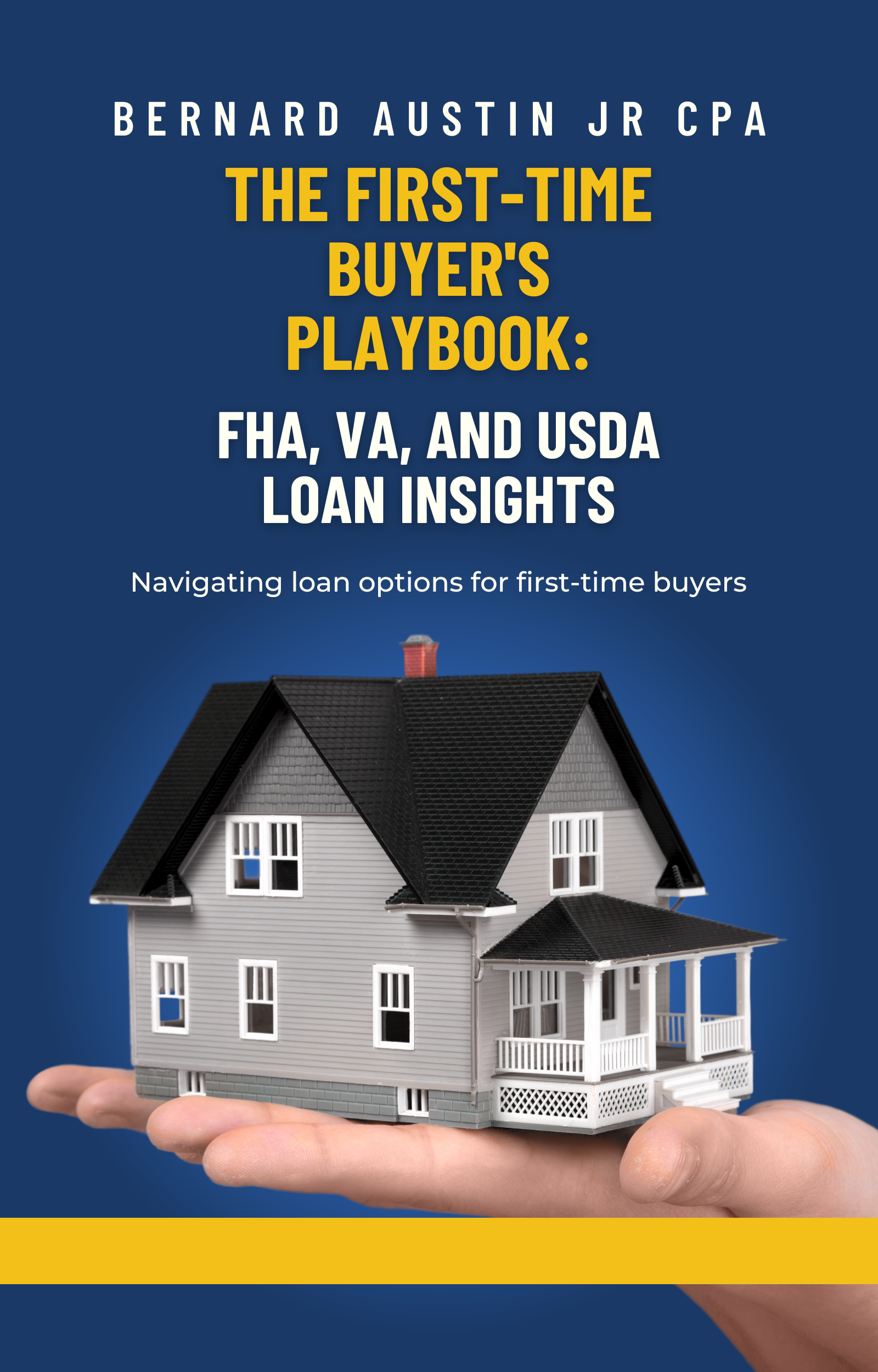
Free Guide:
First-Time Homebuyer Loans Explained
Download the free playbook that explains your options in plain English—written by a CPA and licensed Realtor.