
How to Prepare Your Home for Sale: Tips on Staging and Pricing in Texas
How to Prepare Your Home for Sale: Tips on Staging and Pricing in Texas
Introduction
Selling a home in Texas requires strategic planning and careful execution, particularly when it comes to staging and pricing. The Texas real estate market has shown consistent growth over the past decade, with cities like Austin, Dallas, and Houston experiencing significant demand. Whether you’re selling in a competitive urban market or a suburban neighborhood, the first impression your home makes can determine how quickly it sells and at what price. This comprehensive guide explores the essential steps to prepare your Texas home for sale, focusing on professional staging techniques and data-driven pricing strategies. By understanding how to present your property effectively and position it competitively in the market, you can maximize your return on investment and attract the right buyers. We’ll cover staging fundamentals, market analysis, pricing strategies, and region-specific considerations that can make the difference between a quick sale at top dollar and a prolonged listing that attracts lowball offers.
Understanding the Texas real estate market dynamics
Before staging or pricing your home, you need to understand the broader Texas real estate landscape. Texas has emerged as one of America’s fastest-growing states, attracting professionals, families, and investors. However, the market varies significantly by region and city. Austin’s housing market, for example, tends to be more competitive and pricey than rural areas, while Houston offers a diverse range of neighborhoods with varying price points.
The Texas real estate market has demonstrated resilience and growth. According to recent data, the state experienced a median home price increase of approximately 10% annually over the past five years, though this varies by location. Understanding your specific local market is crucial for accurate pricing and effective staging.
Several factors influence the Texas market:
- Population growth: Texas continues to attract residents from other states, driving demand in major metropolitan areas
- Economic diversity: Multiple industries create stable job markets across different regions
- Seasonal trends: Spring and early summer typically see higher buyer activity
- Interest rates: Federal rates directly impact buyer purchasing power and market velocity
- Supply levels: Inventory shortages in certain areas drive competitive bidding
Start your preparation by researching comparable properties in your neighborhood sold within the last 90 days. This comparable market analysis, or CMA, provides the foundation for both staging decisions and pricing strategy. Understanding whether you’re in a buyer’s market or seller’s market helps you calibrate your approach accordingly.
Professional staging techniques for maximum appeal
Staging is fundamentally about helping buyers envision themselves living in your home. It’s not about decorating for your taste but rather creating a neutral, aspirational environment that appeals to the broadest possible audience. In Texas, where homes often feature open floor plans and outdoor living spaces, staging strategies should emphasize these key features.
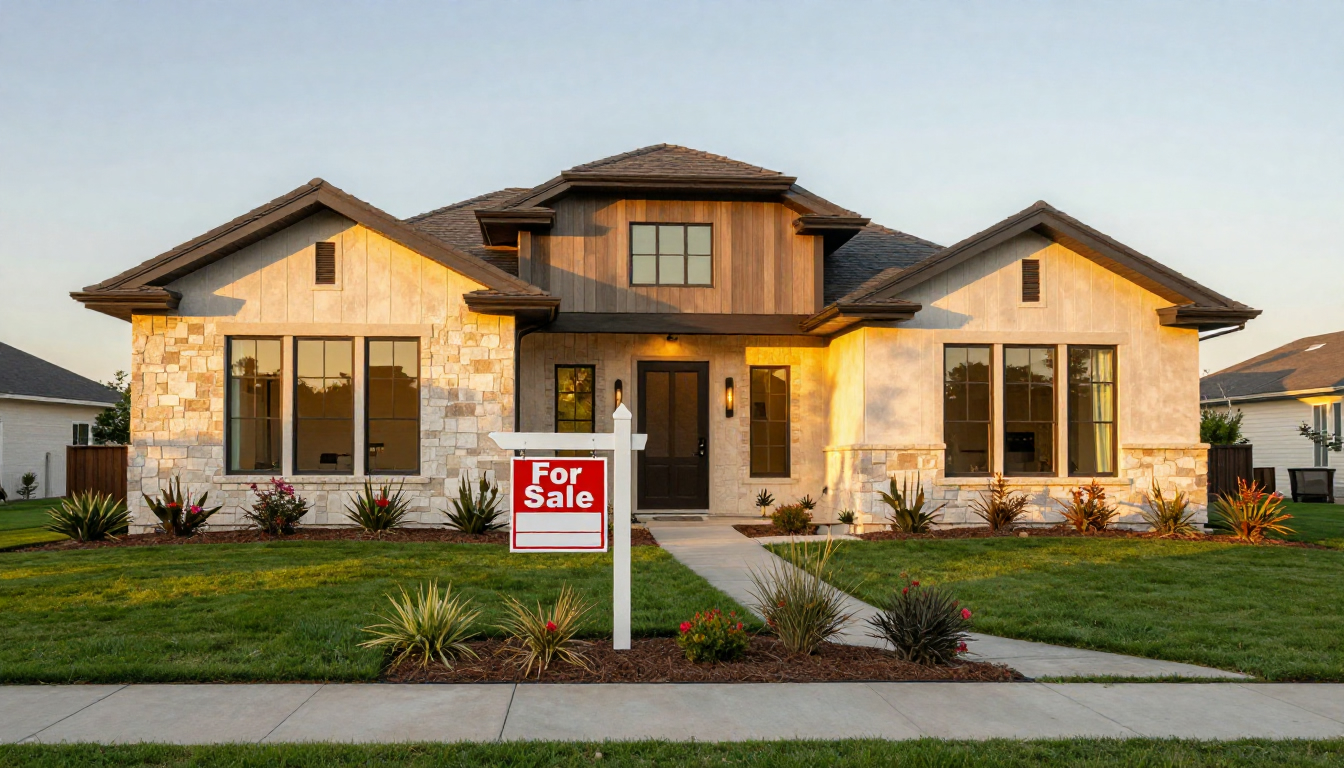
Curb appeal and first impressions cannot be overstated. Your home’s exterior is the first thing potential buyers see, and research shows that 90% of buyers’ decisions are influenced by curb appeal. This means investing in lawn maintenance, fresh paint on the front door, updated house numbers, and well-maintained landscaping. In Texas heat, ensure that outdoor areas appear well-watered and vibrant, even if it requires professional landscaping.
Interior staging fundamentals follow these principles:
- Declutter ruthlessly: Remove 30% to 50% of personal items, family photos, and excess furniture
- Neutralize colors: Paint walls in soft, neutral tones like beige, gray, or soft white. Bright accent walls can deter buyers
- Maximize space perception: Remove furniture pieces and arrange remaining items to create flow and open sightlines
- Highlight architectural features: Draw attention to fireplaces, built-ins, crown molding, and high ceilings
- Create functional vignettes: Arrange furniture in conversation groupings that feel inviting, not sparse
Room-specific staging strategies work together to create a compelling narrative. The master bedroom should feel like a peaceful retreat, suggesting premium bedding and minimal accessories. Kitchens are crucial selling points in Texas homes, so clean countertops, organized cabinets, and updated hardware make significant impacts. Bathrooms need to sparkle and feel spa-like. Living spaces should emphasize entertaining potential, which is important in Texas culture.
Lighting and ambiance profoundly affect how buyers perceive your home. Ensure all light fixtures work properly, replace burned-out bulbs, and consider adding floor lamps to create warmth. During showings, open all blinds to maximize natural light. In the evenings, soft lighting creates an inviting atmosphere that encourages longer viewing times.
Outdoor living spaces deserve special attention in Texas, where outdoor entertaining is a lifestyle priority. Stage patios and decks with comfortable seating, add potted plants, and ensure all outdoor furniture is well-maintained. If you have a pool, ensure it’s immaculately maintained. Highlight shade structures, outdoor kitchens, or fire pits as premium features.
Strategic pricing based on data and market conditions
Pricing is arguably the most critical factor in selling your home successfully. Overpricing can result in your home sitting on the market, accumulating days-on-market that signal to buyers that something is wrong. Underpricing costs you tens of thousands of dollars unnecessarily. The right price balances market realities with maximum returns.
Conducting a comprehensive market analysis requires examining recent comparable sales. Look at homes with similar square footage, age, condition, and features that sold within 90 days in your area. Pay particular attention to price per square foot, which varies significantly across Texas regions.
| Texas Region | Average Price per sq ft (2023) | Market Trend | Days on Market |
|---|---|---|---|
| Austin Metropolitan | $265-$320 | Strong demand, competitive | 20-30 days |
| Dallas-Fort Worth | $185-$240 | Steady growth, diverse | 25-35 days |
| Houston Metropolitan | $155-$210 | Moderate growth, varied | 30-40 days |
| San Antonio | $135-$185 | Growing, emerging market | 35-45 days |
| Rural and smaller cities | $80-$140 | Variable, buyer-friendly | 45-60 days |
Adjusting for home-specific features requires honest assessment. Upgrades like new HVAC systems, updated kitchens, smart home technology, and energy-efficient features justify premium pricing. Conversely, deferred maintenance, outdated systems, or cosmetic issues warrant price reductions. In Texas, features like large yards, mature trees, and covered outdoor spaces add value.
Understanding pricing psychology helps you position your property competitively. Prices ending in .99 feel more affordable than round numbers. A home priced at $349,999 feels significantly less expensive than one at $350,000, even though the difference is minimal. Research shows that strategic price points generate more buyer interest and showings.
Timing your price strategy matters significantly. If you’re listing in spring or early summer when buyer activity peaks, you can price closer to top market value. If listing in fall or winter when fewer buyers are actively searching, a more competitive price encourages showings. Consider launching your listing at market value rather than starting high with price reductions, which can signal desperation to savvy buyers.
Competitive positioning means understanding your home relative to active listings. If three similar homes in your neighborhood are priced at $320,000, $335,000, and $345,000, pricing at $325,000 positions your staged home as the value option. This strategy encourages buyer comparisons that favor your property. Monitor the market actively because homes sell and new listings appear constantly.
Pre-listing inspections and necessary repairs
Before listing, invest in a pre-listing home inspection. This proactive step identifies problems before buyers discover them during their own inspections, preventing last-minute negotiations and deal collapses. A professional inspection typically costs $300-$500 but can save thousands in lost negotiating power.
Critical repairs to prioritize are those affecting safety, functionality, or perceived value. These include roof condition, HVAC systems, plumbing problems, electrical issues, and foundation concerns. In Texas’s heat, ensuring your air conditioning system is functioning optimally is essential. Buyers will absolutely have the system inspected and may walk away if it’s aging or failing.
Cosmetic fixes that deliver ROI include fresh paint, new cabinet hardware, updated light fixtures, and refinished hardwood floors. These improvements create a perception of care and quality without major expenses. A fresh coat of interior paint costs $1,000-$3,000 but dramatically improves buyer perception and typically returns 50-70% of the investment.
Addressing Texas-specific issues matters significantly. In areas prone to termite damage, securing a current termite inspection shows buyers your home is protected. If your area has experienced flooding, providing flood insurance documentation and elevation certificates reassures buyers. Mold remediation, if needed, must be professionally handled with documentation.
Create a repair disclosure document transparently listing all known issues. While this seems counterintuitive, transparency builds buyer trust and prevents litigation later. Work with your real estate agent to determine which issues must be disclosed and which can be positioned as opportunities for buyer customization.
Conclusion
Preparing your Texas home for sale successfully requires integrating professional staging with strategic pricing and thorough property assessment. The Texas real estate market offers tremendous opportunities for sellers who approach the process systematically. By understanding your local market dynamics, you establish realistic pricing benchmarks. Professional staging transforms your home from a lived-in space into a buyer’s vision of their future, directly impacting both interest levels and final sale price. Strategic pricing positions your property competitively without leaving money on the table. Together, these elements create a compelling offering that attracts qualified buyers and generates multiple offers. Remember that every market within Texas operates differently, so localized research is essential. Invest in professional photography, work with an experienced real estate agent familiar with your area, and remain flexible as the market evolves. The preparation phase requires effort and sometimes financial investment, but homes that are properly staged and appropriately priced sell faster and for more money. By implementing these comprehensive strategies, you maximize your chances of achieving a successful sale at optimal terms.

Free Guide:
First-Time Homebuyer Loans Explained
Download the free playbook that explains your options in plain English—written by a CPA and licensed Realtor.