
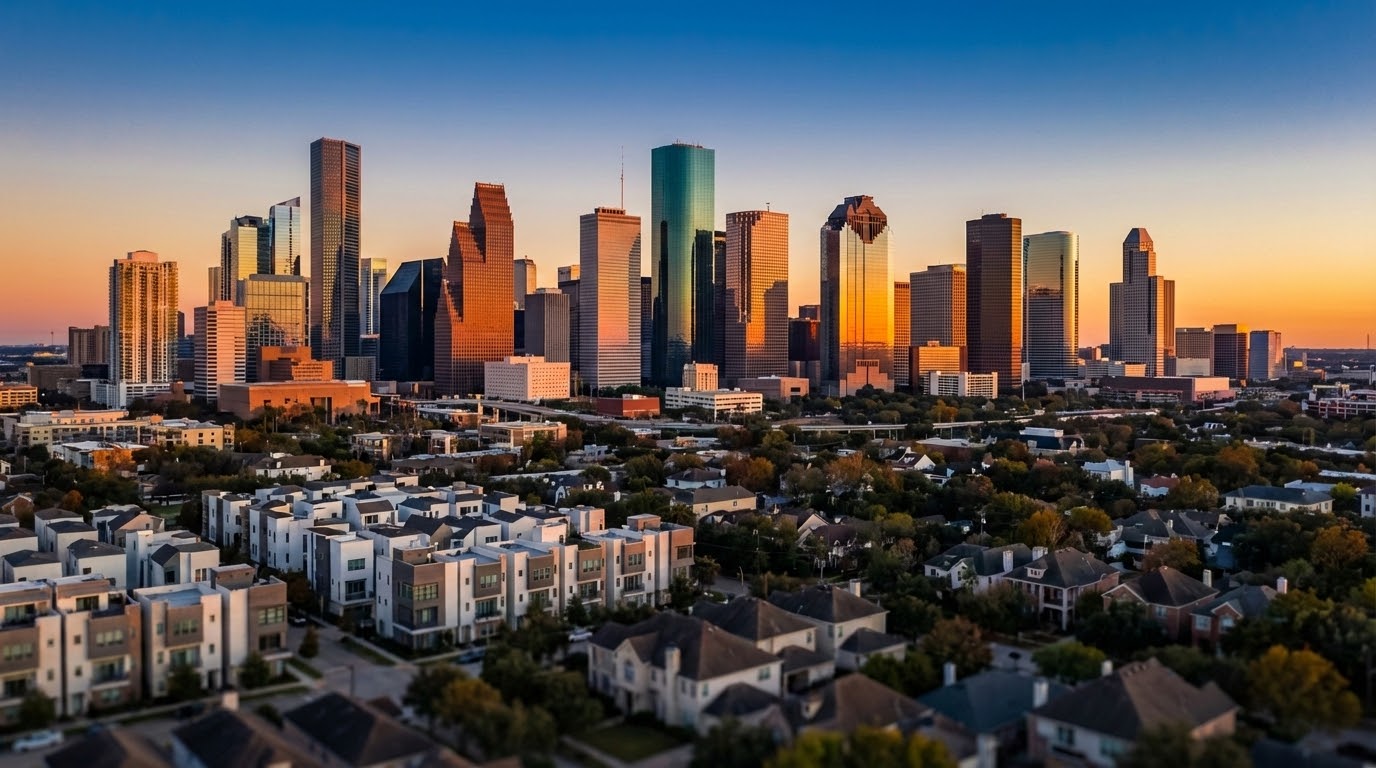
How to Navigate Houston’s Real Estate Market Forecast for 2026
How to Navigate Houston’s Real Estate Market Forecast for 2026
Introduction
Houston’s real estate market has long been a bellwether for economic health and investment opportunity across the United States. As we approach 2026, understanding the trajectory of this dynamic market becomes increasingly important for buyers, sellers, and investors alike. The Houston market is shaped by multiple factors including population growth, employment trends, interest rates, inventory levels, and urban development patterns. This article provides a comprehensive guide to navigating Houston’s real estate landscape in 2026, examining the current market conditions, price forecasts, demographic shifts, and investment opportunities that will define the coming years. Whether you’re a first-time homebuyer, an experienced investor, or simply curious about market dynamics, this analysis will equip you with the insights needed to make informed decisions in one of America’s most robust real estate markets.
Current market conditions and their trajectory toward 2026
Understanding where Houston’s market stands today is essential for predicting where it will go. The Houston real estate market has demonstrated remarkable resilience over the past several years, recovering quickly from economic downturns and maintaining steady growth. Population migration into Texas, driven by favorable tax policies and business-friendly regulations, has consistently fueled housing demand in the Houston metropolitan area.
As of 2024, Houston’s median home price has stabilized after periods of rapid appreciation, creating a more balanced market compared to peak pandemic years. The current inventory levels are gradually increasing, which contrasts sharply with the acute shortage experienced between 2020 and 2023. This shift is significant because it suggests the market is moving toward equilibrium, where both buyers and sellers have more negotiating power than they did during the height of the seller’s market.
The trend toward 2026 indicates several key developments. First, interest rates will likely stabilize at levels higher than the historic lows of 2021, but potentially lower than peak 2023 rates. This normalization period will compress some of the appreciation we saw during the ultra-low rate environment. Second, job creation in Houston continues to outpace the national average, with particular strength in energy, aerospace, healthcare, and technology sectors. This employment stability provides underlying support for housing demand regardless of other market fluctuations.
The migration patterns that have defined Houston for decades show no signs of slowing. Texas continues to attract residents from higher-cost states, particularly California, New York, and the Northeast. These migrants often bring equity from home sales in expensive markets, translating into purchasing power that supports mid to high-end segments of Houston’s market.
Price forecasts and market segments for 2026
Price forecasting requires examining different market segments separately, as Houston’s diverse neighborhoods and property types respond differently to economic conditions. The overall outlook for 2026 suggests moderate appreciation rather than the explosive growth seen in previous cycles.
For entry-level homes priced between 200,000 and 350,000 dollars, forecasts indicate steady but modest appreciation of approximately 3 to 4 percent annually through 2026. This segment remains constrained by affordability issues, as monthly mortgage payments on these properties have risen substantially from pandemic lows. However, first-time homebuyers continue to enter the market, and new construction in suburban areas provides options that help maintain demand.
The mid-market segment, ranging from 350,000 to 600,000 dollars, is expected to see stronger performance with appreciation rates of 4 to 5 percent annually. This segment attracts both primary residence buyers and investors and benefits from Houston’s employment growth. Many corporate relocations bring professionals seeking quality homes in established neighborhoods, driving sustained demand in this range.
The luxury segment above 600,000 dollars presents a more complex picture. While appreciation may be more modest at 2 to 3 percent annually, the luxury market is less sensitive to interest rate fluctuations and more influenced by global economic factors and high-net-worth individual migration patterns. Houston’s lack of state income tax and significant employment opportunities continue to attract wealthy individuals, providing a floor under luxury property values.
Market analysts point to several factors that will influence these forecasts. Economic growth, particularly job creation in high-wage sectors, will be critical. Energy sector volatility could impact overall market sentiment. Additionally, mortgage rate movements in the first half of 2025 will establish the tone for 2026 lending conditions.
| Price Segment | Price Range | Expected Annual Appreciation 2024-2026 | Key Drivers |
|---|---|---|---|
| Entry-Level | 200,000 – 350,000 | 3-4% | First-time buyers, suburban growth |
| Mid-Market | 350,000 – 600,000 | 4-5% | Corporate relocations, job growth |
| Luxury | 600,000+ | 2-3% | Wealth migration, global factors |
Demographic shifts and neighborhood trends shaping the market
Houston’s real estate market cannot be understood without examining the demographic forces reshaping the city. The Houston metropolitan area continues its transformation from an energy-dependent economy to a more diversified hub, and this shift is directly reflected in neighborhood preferences and development patterns.
Urban core revitalization represents one of the most significant trends heading into 2026. Neighborhoods within the loop, including Midtown, East End, and Washington Avenue, have seen substantial investment in commercial mixed-use developments. Young professionals and empty-nesters increasingly prefer walkable urban environments over sprawling suburban locations. This preference is supported by improved public transportation initiatives and increased restaurant and entertainment options downtown. Properties in these neighborhoods are expected to appreciate more rapidly than suburban alternatives, with some analysts projecting 5 to 6 percent annual appreciation through 2026.
Simultaneously, suburban growth remains robust, particularly in western suburbs like Sugar Land, Katy, and The Woodlands. These areas continue to attract families seeking space, good schools, and newer construction. Many of these suburbs have evolved from bedroom communities to mixed-use developments with employment centers, reducing commute times and increasing appeal. The demographic shift toward millennials starting families means suburban demand will remain steady even as urban core popularity increases.
The northwest corridor, particularly areas like Spring and The Woodlands, benefits from proximity to major employment centers and significant infrastructure investment. Real estate development in these areas is expected to remain strong, driven by population growth and corporate headquarters relocations.
Demographic analysis reveals that Houston is attracting increasingly diverse populations. International immigration, particularly from Latin America and Asia, has enriched Houston’s cultural fabric and created demand for various housing types and price points. This diversity supports market resilience because demand is distributed across multiple segments rather than concentrated in one demographic group.
Age demographics also matter significantly. The millennial generation, now firmly in home-buying years, represents a massive purchasing force. Their preferences for both urban and suburban options, combined with their reliance on technology and digital convenience, are driving innovation in real estate marketing and home features. By 2026, homes featuring smart home technology, energy efficiency, and flexible work spaces will command premiums.
Investment opportunities and risk considerations for 2026
For investors evaluating Houston’s market in 2026, several distinct opportunities emerge, each with different risk profiles and return expectations. The transition from an extremely tight seller’s market toward more balanced conditions actually creates opportunities that didn’t exist during peak pandemic years.
Single-family rental properties remain attractive for long-term investors. Houston’s population growth ensures steady rental demand, and the shift in preferences among younger renters seeking single-family homes over apartments has supported this segment. A well-maintained single-family home in an appreciating neighborhood can generate both cash flow through rent and capital appreciation through property value increases. Projected rental yields of 5 to 7 percent annually remain competitive compared to other investments.
Multi-family properties and apartment buildings offer different dynamics. The apartment market has become increasingly competitive in Houston, with substantial new construction coming online. However, this supply increase will actually create opportunity for investor consolidation and operational improvements. Properties with management advantages or superior locations should outperform the broader category.
Fix-and-flip operations have become riskier in the current environment compared to the pandemic boom years. With growing inventory and more measured appreciation, the window for quick returns has narrowed. However, disciplined investors who identify undervalued properties in neighborhoods with strong fundamentals can still generate satisfactory returns. The key is careful underwriting and realistic pricing assumptions.
New development and land speculation require careful evaluation. While Houston continues to grow, the pace of suburban expansion has moderated. Land values are no longer rising at the explosive rates seen a few years ago. Investors should focus on locations with strong economic drivers and infrastructure development rather than speculating on distant areas.
Commercial real estate connected to housing presents interesting opportunities. Properties supporting residential areas—such as neighborhood retail, office space for remote workers, and service facilities—should see increasing demand as neighborhoods densify and residents seek local amenities.
Risk considerations for 2026 include several important factors. First, interest rate uncertainty remains the largest variable. Sharp rate increases would compress valuations, while declining rates could accelerate appreciation. Second, recession risk, though uncertain, would reduce employment growth and potentially trigger migration reversals. Third, energy sector volatility could impact Houston’s economic outlook if oil prices decline significantly. Finally, regulatory changes at local or state levels could affect development patterns and investment returns.
Practical strategies for navigating 2026’s market conditions
Successfully navigating Houston’s real estate market in 2026 requires a strategy tailored to individual circumstances and goals. The following approaches address different investor and buyer profiles.
For homebuyers: The moderating market of 2026 favors deliberation over urgency. With inventory increasing and appreciation slowing, buyers no longer face pressure to waive inspections or make offers sight unseen. Focus on finding the right property at the right price rather than buying quickly. Negotiate seriously on price, which wasn’t possible during peak seller’s markets. Lock in mortgage rates early in 2026 if rates decline, as this could extend further market appreciation. Consider neighborhoods with strong employment fundamentals and good schools, as these factors drive long-term value. Avoid overstretching financially based on optimistic appreciation assumptions.
For sellers: Pricing accurately will be crucial in 2026. Overpriced homes will sit longer as buyer options increase. Invest in professional staging and marketing to differentiate your property. Flexibility on closing timelines and terms can improve competitiveness. Consider selling in early 2026 if you’re in a popular segment, as market momentum may weaken as the year progresses. Focus on properties in strong neighborhoods, as location increasingly matters as overall appreciation moderates.
For investors: Develop a clear thesis for each investment. Don’t rely on market appreciation to generate returns; focus on properties producing strong cash flow or those in rapidly appreciating neighborhoods with solid fundamentals. Conduct thorough due diligence on neighborhoods, including employment growth, population trends, and development plans. Build relationships with local real estate professionals and contractors. Consider contrarian positions in undervalued neighborhoods that show strong economic tailwinds. Avoid leverage if you’re uncomfortable with market volatility.
For all market participants: Monitor Houston’s employment trends closely, as job growth remains the primary driver of real estate demand. Follow urban development projects and infrastructure investments, as these shape neighborhood trajectories. Stay informed about interest rate trends and monetary policy. Build a team of knowledgeable professionals including agents, lenders, and inspectors who understand Houston’s specific market dynamics.
Conclusion
Houston’s real estate market in 2026 will reflect a normalization from the extraordinary conditions of the pandemic era. The combination of robust population growth, strong employment fundamentals, favorable tax policies, and diverse economic sectors positions Houston favorably compared to many other markets. However, the days of double-digit appreciation appear behind us, replaced by more measured but still healthy price growth of 3 to 5 percent annually across most segments. Current market conditions indicate a transition toward balance, with inventory levels rising and buyer negotiating power increasing. Price forecasts vary by segment, with mid-market properties showing the strongest fundamentals and appreciation potential. Demographic shifts will continue to reshape neighborhood dynamics, with urban core revitalization and suburban growth occurring simultaneously. For investors and buyers, this environment requires careful analysis and realistic expectations rather than speculative fervor. By understanding these fundamental market dynamics, monitoring key economic indicators, and developing thoughtful strategies aligned with personal goals, market participants can navigate 2026 successfully. The Houston real estate market remains attractive, but success requires informed decision-making and abandonment of pandemic-era assumptions about rapid appreciation and limited inventory.

Free Guide:
First-Time Homebuyer Loans Explained
Download the free playbook that explains your options in plain English—written by a CPA and licensed Realtor.