
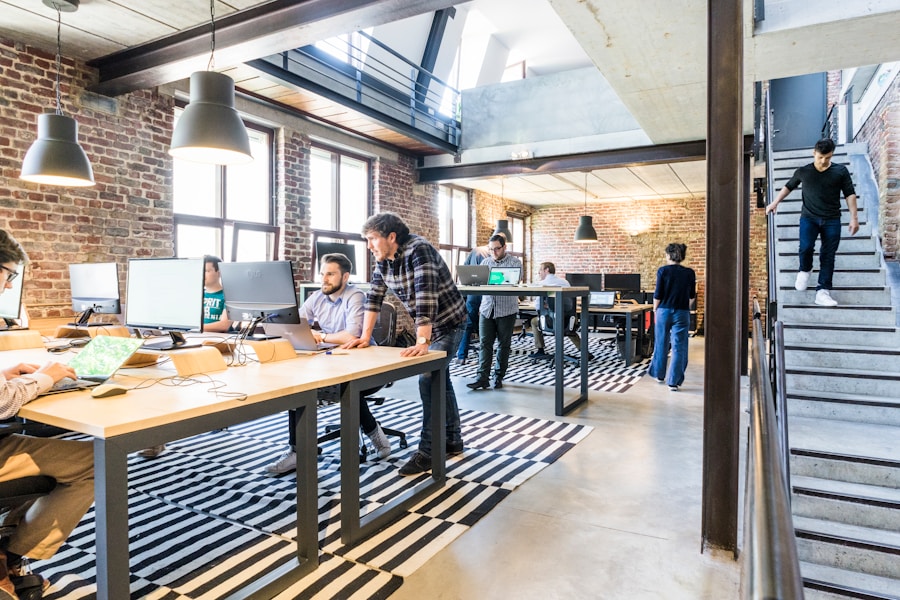
How to Design a Productive and Inspiring Office Environment
Designing an office environment conducive to both productivity and inspiration is a multifaceted endeavor that requires careful consideration of various elements. An effectively designed workspace can function as a catalyst for innovation, collaboration, and individual well-being, while a poorly designed one can impede progress and foster disengagement. This article outlines key strategies for establishing an office environment that supports these objectives.
Understanding the Office as a Ecosystem
An office is not merely a collection of desks and computers. It is a dynamic ecosystem where individuals interact, ideas germinate, and projects unfold. Recognizing this interconnectedness is fundamental to effective design. The various components, from furniture to lighting, contribute to the overall atmosphere and functional capacity of the space.
Identifying User Needs and Workflows
Before any design decisions are made, a thorough understanding of the occupants’ needs is paramount. This involves analyzing work styles, departmental interdependencies, and the types of tasks performed. A design that ignores these fundamental requirements risks becoming an aesthetic exercise rather than a functional solution.
- Diverse Work Styles: Consider individuals who require quiet for focused work versus those who thrive in collaborative settings.
- Workflow Mapping: Chart the journey of a typical project or task through the office to identify bottlenecks and areas for improvement.
- Technological Integration: Assess current and future technological needs, ensuring infrastructure supports connectivity and innovation.
The Role of Flexibility and Adaptability
Modern work environments are characterized by constant change. An effective office design must be flexible enough to accommodate evolving team structures, project requirements, and technological advancements. Rigidity in design can quickly render a space obsolete.
- Modular Furniture: Components that can be easily reconfigured allow for rapid adaptation to changing needs.
- Multi-purpose Zones: Spaces designed to serve different functions (e.g., meeting rooms that can also be used for individual quiet work) maximize utility.
- Scalability: Consider how the office can expand or contract with the growth or reduction of the workforce.
Optimizing Physical Layout and Furniture
The physical arrangement of an office directly impacts communication, collaboration, and individual task performance. Strategic layout and appropriate furniture choices are instrumental in creating an environment that supports these activities.
Creating Zones for Different Activities
A comprehensive office layout acknowledges that different tasks require different environmental conditions. Dividing the office into distinct zones can cater to these varied requirements, reducing distractions and enhancing focus. These zones can be thought of as different biomes within the office ecosystem.
- Concentration Zones: These areas are designed for deep work, offering minimal distractions and often incorporating acoustic dampening. Examples include private offices, quiet pods, or designated silent work areas.
- Collaboration Zones: Spaces designed to facilitate teamwork, brainstorming, and informal meetings. These might include open-plan areas with configurable seating, whiteboards, and digital display screens.
- Social Zones: Areas for informal interaction, breaks, and fostering a sense of community. Kitchens, break rooms, and lounge areas fall into this category.
- Meeting Rooms: Formal meeting spaces equipped with necessary technology for presentations and discussions.
Ergonomics and Employee Well-being
Ergonomics is not an optional extra but a fundamental component of a productive and healthy office. Poor ergonomics can lead to discomfort, repetitive strain injuries, and decreased output. Prioritizing employee well-being through ergonomic considerations demonstrates an investment in human capital.
- Adjustable Workstations: Desks and chairs that can be customized to individual body types and preferences mitigate physical strain.
- Proper Monitor Placement: Monitors should be positioned at eye level and at an appropriate distance to reduce eye strain and neck discomfort.
- Movement Opportunities: Encourage movement throughout the day by providing standing desks, walking paths, and accessible break areas.
- Lighting Considerations: Ensure adequate, non-glare lighting to reduce eye strain. Natural light is generally preferred.
The Impact of Sensory Elements
The human sensory system plays a significant role in how individuals perceive and interact with their environment. Thoughtful consideration of light, sound, temperature, and scent can profoundly influence mood, focus, and overall well-being. These elements act as subtle cues, shaping the emotional and cognitive landscape of the office.
Harnessing Natural and Artificial Light
Light is a powerful environmental cue. Natural light, in particular, has been linked to improved mood, reduced fatigue, and enhanced cognitive function. Maximizing its presence while strategically supplementing with artificial light is crucial.
- Maximize Natural Light: Position workspaces near windows. Use transparent or translucent partitions to allow light penetration.
- Tunable Lighting: Employ artificial lighting systems that can adjust color temperature and intensity to mimic natural daylight cycles or to suit specific tasks.
- Glare Control: Implement blinds, shades, or architectural features to prevent glare on screens and work surfaces.
Acoustic Management and Noise Control
Uncontrolled noise is a primary source of distraction in many offices. Effective acoustic management is essential for creating environments where individuals can concentrate and communicate effectively. The office should not be an echo chamber; rather, it should be designed with sound absorbents in mind.
- Sound-Absorbing Materials: Incorporate carpets, acoustic panels, ceiling treatments, and soft furnishings to absorb sound waves.
- White Noise Machines: Introduce ambient white noise to mask distracting sounds and create a more consistent soundscape.
- Designated Quiet Zones: As mentioned previously, provide areas specifically designed for silence.
- Layout for Sound Separation: Strategically place noisy equipment away from quiet work areas.
Temperature and Air Quality
Thermal comfort and good air quality are fundamental for health and productivity. Discomfort related to temperature or air quality can significantly detract from an individual’s ability to focus.
- Individual Climate Control (where feasible): Allow for some degree of personalized temperature control to accommodate individual preferences.
- Consistent Temperature Zones: Aim for consistent temperatures across the office, avoiding extreme hot or cold spots.
- Ventilation and Air Filtration: Ensure adequate ventilation to refresh air and implement air filtration systems to remove pollutants.
- Humidity Control: Maintain appropriate humidity levels to prevent dryness or excessive moisture.
Integrating Biophilic Design and Aesthetics
Human beings have an innate tendency to connect with nature. Biophilic design, which incorporates natural elements into the built environment, can significantly enhance well-being, reduce stress, and improve cognitive function. Beyond biophilia, the overall aesthetic appeal of an office also contributes to its inspiring qualities.
Introducing Biophilic Elements
Integrating aspects of the natural world into the office design creates a more calming and invigorating atmosphere. This goes beyond merely placing a plant in a corner; it involves a more fundamental integration.
- Live Plants: Incorporate a variety of indoor plants, considering their maintenance requirements and aesthetic contribution.
- Natural Materials: Utilize wood, stone, and other natural textures in furniture and finishes.
- Views of Nature: Maximize views of outdoor landscapes, whether through large windows or strategically placed art.
- Natural Patterns and Shapes: Incorporate organic forms and patterns reminiscent of nature in design elements.
Color Psychology and Branding
Colors elicit specific psychological responses. Strategic use of color can influence mood, energy levels, and even perceived spaciousness. The chosen color palette should align with the company’s brand identity while supporting desired emotional states.
- Stimulating Colors: Use vibrant colors sparingly in areas where creativity and energy are desired.
- Calming Colors: Employ cool, muted tones in areas designated for focus and relaxation.
- Brand Consistency: Integrate corporate colors in a tasteful manner to reinforce brand identity.
Art and Visual Stimuli
Thoughtfully selected art and visual stimuli can serve as sources of inspiration, promote creativity, and contribute to a more engaging environment. Art can be a conversation starter, a visual break, or a representation of company values.
- Diverse Art Forms: Incorporate a range of art, from abstract paintings to photographic landscapes.
- Rotating Displays: Consider rotating artwork periodically to maintain freshness and engagement.
- Company Values Representation: Select art that subtly reflects the company’s mission or values.
Cultivating a Culture of Empowerment and Ownership
| Aspects | Metrics |
|---|---|
| Lighting | Percentage of natural light, Lux levels |
| Furniture | Number of ergonomic chairs, standing desks |
| Color scheme | Use of calming colors, percentage of greenery |
| Noise level | Decibel levels, use of soundproofing materials |
| Temperature control | Thermostat settings, use of HVAC systems |
While physical design is crucial, it is only one half of the equation. An inspiring and productive office environment is also shaped by the culture it fosters. The most meticulously designed space will falter without a supportive and empowering organizational culture. The design should not dictate behavior but rather enable and encourage it, like a well-tended garden inviting its inhabitants to flourish.
Personalized Workspaces
Allowing employees a degree of customization over their immediate workspace can foster a sense of ownership and comfort. This does not imply chaotic clutter but rather the ability to personalize within reasonable parameters.
- Storage Solutions: Provide adequate personal storage to keep desks tidy yet allow for personal items.
- Ergonomic Choices: Offer options for ergonomic accessories (e.g., footrests, monitor risers).
- Personal Touches: Allow for small, personal decorative items that reflect individual identity.
Spaces for Breaks and Rejuvenation
Burnout is a significant impediment to productivity and inspiration. Providing dedicated spaces where employees can disconnect, recharge, and engage in non-work-related activities is essential for sustained performance.
- Break Rooms with Amenities: Equip break rooms with comfortable seating, kitchen facilities, and perhaps recreational options (e.g., board games, a small library).
- Quiet Retreats: Designate areas for meditation or silent reflection.
- Outdoor Access: Whenever possible, provide access to outdoor spaces, even if it’s just a small patio.
Promoting Collaboration and Community
An inspiring office fosters a sense of community and facilitates spontaneous interaction. Design can play a significant role in breaking down silos and encouraging cross-functional collaboration.
- Centralized Social Hubs: Designate a central area where people naturally congregate, encouraging informal encounters.
- Open Communication Channels: Design the layout to encourage visual and auditory connection where appropriate, without compromising focused work zones.
- Opportunity for Shared Experiences: Provide spaces that can host company-wide events, celebrations, or workshops.
In conclusion, designing a productive and inspiring office environment is a strategic investment in human capital. It requires a holistic approach that considers both the tangible and intangible aspects of the workspace. By understanding user needs, optimizing physical layout, leveraging sensory elements, integrating biophilic design, and cultivating a supportive culture, organizations can create spaces that not only facilitate work but also stimulate creativity, enhance well-being, and ultimately drive success. The office, in its ideal form, functions as a tailored instrument, designed to amplify human potential.
FAQs
What are the key elements of a productive and inspiring office environment?
The key elements of a productive and inspiring office environment include ample natural light, comfortable and ergonomic furniture, a layout that promotes collaboration and communication, and a balance of private and open workspaces.
How can the use of color and decor impact the office environment?
The use of color and decor can impact the office environment by influencing mood, creativity, and productivity. Bright and vibrant colors can energize and inspire, while calming and neutral tones can promote focus and relaxation.
What role does technology play in designing a productive office environment?
Technology plays a crucial role in designing a productive office environment by providing tools for communication, collaboration, and efficiency. This includes high-speed internet, video conferencing capabilities, and ergonomic computer workstations.
Why is it important to incorporate nature and greenery into the office environment?
Incorporating nature and greenery into the office environment has been shown to reduce stress, improve air quality, and increase overall well-being. Plants and natural elements can also enhance the aesthetic appeal of the workspace.
How can the layout and design of an office space impact employee productivity and satisfaction?
The layout and design of an office space can impact employee productivity and satisfaction by influencing factors such as workflow, accessibility, privacy, and comfort. A well-designed office layout can promote collaboration, minimize distractions, and create a positive work environment.

Free Guide:
First-Time Homebuyer Loans Explained
Download the free playbook that explains your options in plain English—written by a CPA and licensed Realtor.