
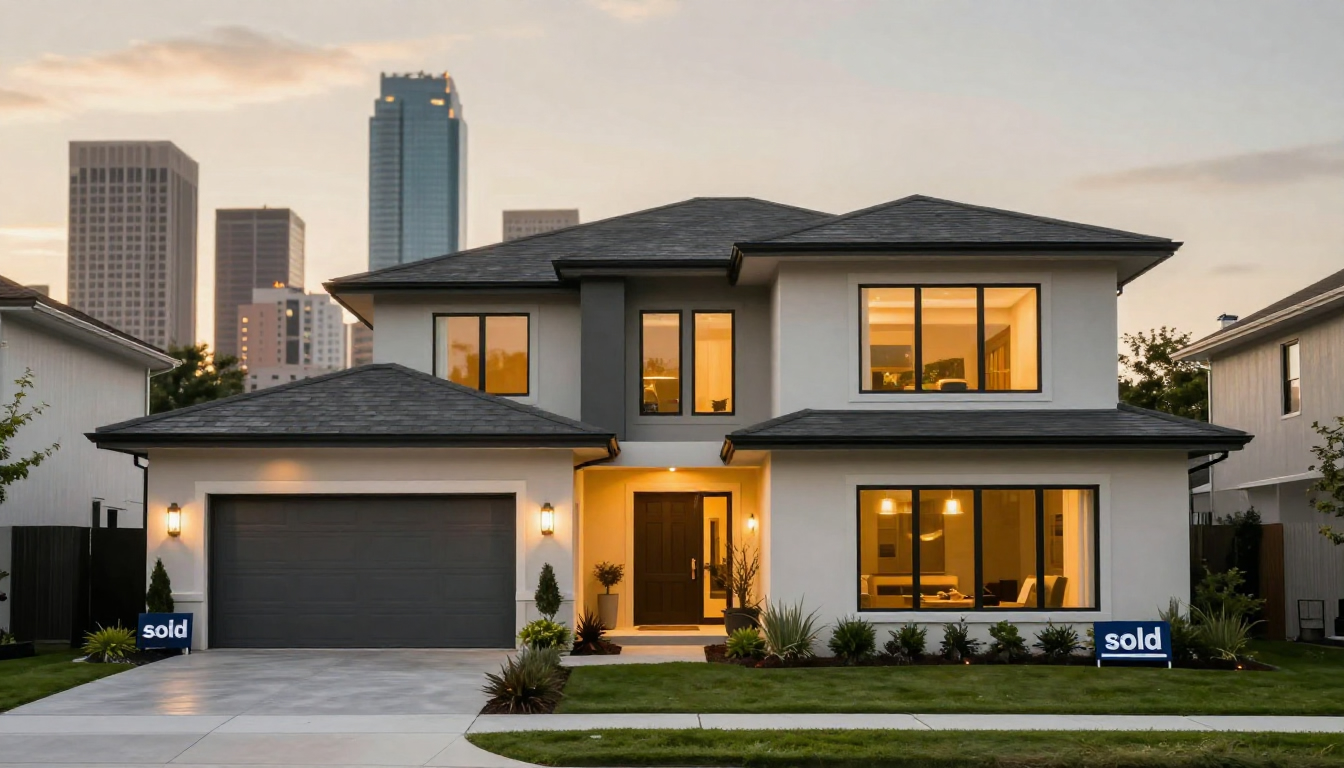
Essential Tips for Selling Your House in Houston: Pricing, Staging, and Closing Costs
Essential tips for selling your house in Houston: pricing, staging, and closing costs
Introduction
Selling a house in Houston’s competitive real estate market requires more than just listing your property and waiting for offers. Whether you’re a first-time seller or experienced in real estate transactions, understanding the fundamentals of pricing strategy, home presentation, and financial obligations can make the difference between a quick sale at top dollar and a prolonged listing that underperforms. Houston’s diverse neighborhoods, ranging from bustling urban centers like Montrose to suburban communities like Sugar Land, each have unique market dynamics that influence how you should approach your sale. This article explores three critical pillars of successful home selling: establishing the right price based on current market conditions, presenting your home in the most appealing way possible through strategic staging, and navigating the often-overlooked closing costs that can significantly impact your final proceeds. By mastering these elements, you’ll position yourself for a successful sale that maximizes your return on investment.
Understanding Houston’s real estate market and pricing your property right
The foundation of any successful home sale begins with accurate pricing, and this is where many sellers make their first critical mistake. In Houston, where the market has shown remarkable resilience compared to national trends, pricing requires both data analysis and local market knowledge. The Houston metropolitan area encompasses over 10,000 square miles, meaning comparable sales in one neighborhood may bear little resemblance to those just a few miles away.
Analyzing comparable sales is the most reliable method for determining your home’s value. You should examine at least 5 to 10 recently sold properties that share similar characteristics with yours: same number of bedrooms and bathrooms, comparable square footage, similar age, and ideally within the same neighborhood or immediate vicinity. Pay particular attention to properties that sold within the last 90 days, as Houston’s market can shift quickly based on interest rates and inventory levels. Real estate professionals call these comparable properties “comps,” and they form the basis of the Comparative Market Analysis (CMA).
One common mistake Houston sellers make is overpricing based on emotional attachment or renovation investments. While you may have spent $50,000 on a kitchen remodel, the market may only value that improvement at $30,000 in your particular neighborhood. This disconnect creates what’s called “days on market,” a metric that shows how long your home sits listed before selling. According to recent Houston market data, homes priced within 5% of fair market value typically sell 70% faster than those priced 10% above market value.
Seasonal considerations also affect pricing strategy in Houston. Spring and early summer typically see peak buyer activity, meaning homes listed during these months face more competition but also attract more serious buyers. Winter months, while slower, often feature less competition. If you’re selling a home in December, you might price more aggressively to stand out, whereas a spring listing could maintain higher pricing due to demand.
The Federal Reserve’s interest rate decisions directly impact buyer purchasing power. When mortgage rates rise from 6% to 7%, the typical buyer can afford approximately $50,000 less home. If you’re selling in a rising rate environment, pricing adjustments become even more critical. Your realtor should provide current mortgage rate information and explain how those rates affect buyer demand for homes in your price range.
Local market trends vary significantly across Houston neighborhoods. The energy corridor attracts corporate relocations, Bellaire commands premium prices due to excellent schools, while areas near the medical center appeal to healthcare professionals. Understanding your neighborhood’s specific appeal helps position your home appropriately within its local market segment.
Staging your home for maximum appeal and faster sales
Once you’ve priced your home correctly, the next critical element is presenting it in a way that helps buyers envision their future there. This is where staging becomes invaluable. Staging isn’t about deceiving buyers or covering problems; rather, it’s about highlighting your home’s best features while minimizing distractions that might prevent a sale.
First impressions matter tremendously because many buyers form opinions about a property within the first 15 seconds of viewing. Your home’s curb appeal sets the tone for the entire showing experience. In Houston’s climate, this means ensuring your landscaping is well-maintained, the exterior is clean and freshly painted if needed, and the front entrance feels welcoming. The intense Texas heat can fade exterior paint, stain concrete, and create an unkempt appearance, so investing in basic exterior maintenance pays immediate dividends.
Interior staging follows a strategic sequence. Start by decluttering and depersonalizing your home. Remove family photos, personal memorabilia, and excess furniture. This might feel strange, but buyers need to imagine themselves in the space, not admire your family vacation photos. A typical family home might have 30-40% too much furniture; professional stagers remove pieces to create a sense of spaciousness and flow.
Clean is non-negotiable. This isn’t regular cleaning; this is deep cleaning that extends to baseboards, ceiling corners, windows inside and out, and appliance interiors. In Houston’s humid climate, mold and mildew can quickly diminish a property’s appeal. Bathrooms and kitchens deserve special attention, as these rooms significantly influence buyer decisions. A sparkling kitchen with updated hardware can add perceived value, while a dingy bathroom can create lasting negative impressions.
Lighting and neutral aesthetics create the most universally appealing environment. Open all curtains and blinds during showings to flood rooms with natural light. Consider replacing outdated light fixtures in key areas, as this investment often returns 75-100% at sale. Paint should be neutral: beige, gray, white, or soft taupe. Avoid bold colors that reflect personal taste rather than broad appeal.
Here’s a practical staging checklist for Houston homes:
- Remove 30-40% of furniture from each room
- Deep clean all surfaces, including baseboards and light fixtures
- Stage the master bedroom with quality linens and minimal furniture
- Highlight kitchen functionality and cleanliness
- Create an outdoor living space if you have a patio or deck
- Ensure all bathrooms are immaculate with quality towels and fixtures
- Fix all visible maintenance issues like leaky faucets or cracked caulk
- Neutralize pet odors with professional cleaning
- Add fresh flowers or plants for subtle life and color
- Stage the garage to appear organized and spacious
Virtual staging and photography have become increasingly important in Houston’s digital-first market. Professional photos should showcase your home in the best light, with wide-angle shots, excellent lighting, and composition that emphasizes space and flow. Many buyers now spend 10-15 minutes virtually touring homes online before scheduling in-person showings. Poor photos can eliminate your home from consideration before a single person walks through the door.
For specific room staging, the kitchen deserves special focus in Houston homes. Clear countertops completely except for a small bowl of fruit or a coffee maker. Ensure cabinets are organized so they close smoothly. If cabinet hardware is dated, replacing it costs $300-500 but can create a substantial perceived improvement. The refrigerator should be stainless steel or painted to match cabinets if it’s white or black in a dated style.
Navigating closing costs and protecting your bottom line
After pricing your home competitively and presenting it beautifully, many sellers overlook what might be the most financially significant aspect of the transaction: closing costs. These expenses, often ranging from 6-10% of your sale price, directly reduce the net proceeds you receive. Understanding and planning for these costs ensures you’re not surprised at closing and can make informed decisions about offers.
Seller closing costs in Texas typically include realtor commissions, which average 5-6% of the sale price (though this is negotiable), title insurance, deed recording fees, and HOA transfer fees if applicable. On a $400,000 home sale, these costs alone could exceed $30,000, representing a significant portion of your proceeds. Let’s examine the typical breakdown:
| Closing cost item | Typical percentage of sale price | Approximate amount on $400,000 sale | Notes |
|---|---|---|---|
| Realtor commission | 5-6% | $20,000-24,000 | Negotiable; split between buyer and seller agents |
| Title insurance | 0.5-1% | $2,000-4,000 | One-time policy protecting buyer and lender |
| Title search and examination | 0.1-0.2% | $400-800 | Ensures clear property ownership |
| Recording fees | 0.05-0.1% | $200-400 | Government fees for deed recording |
| HOA transfer/estoppel | Varies | $100-500 | If applicable; provides HOA documentation |
| Home inspection repair credits | 1-3% | $4,000-12,000 | Negotiated based on inspection results |
| Survey fees | 0.1-0.3% | $400-1,200 | Required if boundary questions exist |
| Miscellaneous | 0.5-1% | $2,000-4,000 | Wire transfer fees, overnight delivery, etc. |
The realtor commission represents the largest single cost for most sellers. In Texas, this fee is typically negotiable, despite being presented as standard. If you’re selling a higher-priced home or in a competitive neighborhood with strong demand, you may have leverage to negotiate this percentage downward. Some discount brokerages charge 4-4.5%, though they may offer fewer services. Before choosing this route, consider what services you’ll miss and whether the savings justify potential exposure.
Title insurance and examination are non-negotiable in Texas real estate transactions. These protect the buyer and lender against ownership disputes, liens, or other title defects. The buyer typically selects the title company, though seller can often negotiate the specific provider. Costs vary by location within Houston, with urban areas sometimes costing slightly less than outlying areas due to competition.
Home inspection repair negotiations create a critical decision point. When buyers commission inspections, they frequently request credits or repairs for items found. In Houston, common issues include HVAC system age, roof condition, and foundation concerns. Deciding whether to offer credits, complete repairs yourself, or let the buyer handle them after purchase requires strategic thinking. Generally, if the item is cosmetic or minor (caulking, paint, etc.), offering a small credit is preferable to buyers requesting thousands in credits. For substantial issues like roof replacement (potentially $10,000-15,000), it’s often better to disclose the issue upfront and adjust your price accordingly rather than discover it during inspection negotiations.
Strategic cost management begins with getting multiple closing cost estimates from different title companies and settlement agents. Title company fees vary more than many sellers realize, and comparing three companies might reveal $500-1,000 differences. Request a detailed closing cost estimate from your realtor and review it carefully. Many sellers receive their first estimate days before closing and must accept whatever is presented; early estimates allow time for negotiation or provider changes.
One often-overlooked cost is the property tax proration. Texas handles property taxes differently than many states, with taxes assessed on January 1st and paid in two installments. If you sell mid-year, property taxes must be prorated between seller and buyer based on ownership days. This can represent a significant credit to the buyer, reducing your net proceeds. Your closing attorney can estimate this amount well before closing to avoid surprises.
Consider whether you’ll pay any buyer concessions or closing cost assistance. In competitive markets, buyers often request sellers cover a portion of their closing costs, typically 2-3% of the purchase price. While this reduces your proceeds, it may be necessary to compete for buyers in slower market conditions. Evaluating this trade-off requires understanding current market conditions in your specific neighborhood.
Putting it all together: Creating your selling strategy
The three elements we’ve explored—pricing, staging, and managing closing costs—work together to create a comprehensive selling strategy. These aren’t independent decisions but rather interconnected components that influence each other.
Strategic sequencing matters significantly. Begin by understanding your market (pricing research), then prepare your home (staging), then price competitively based on the market and your home’s presented condition. Buyers will pay more for a beautifully staged, well-maintained home, so the staging investment often justifies itself through higher sales prices that exceed the staging costs.
Consider this practical example: A Houston seller prices their 2,500-square-foot home at $425,000 based on comps. The home sits for 45 days with minimal interest. They then invest $3,500 in professional staging and photography. After restaging, the home sells in 12 days for $438,000. The staging investment paid for itself many times over, yet many sellers skip this step to save money.
Documentation and transparency regarding your home’s condition and your costs protects both you and future buyers. Maintain records of major repairs, maintenance, and any work completed. Disclose known issues honestly; this builds trust and prevents post-closing disputes. In Texas, the Property Condition Addendum allows sellers to disclose known defects, protecting you from future liability.
Work closely with your real estate agent to develop a timeline that maximizes your advantages. If your neighborhood sees peak demand in spring, coordinate staging completion to list just as that season begins. If your closing costs are high, you might price slightly higher than comps to offset these expenses, or offer stronger motivation for buyers to accept your terms.
Finally, remain flexible. Markets change, buyer interest evolves, and unexpected issues emerge during inspections. The best selling strategy anticipates these variables and maintains flexibility to adjust your approach while protecting your core interests.
Conclusion
Selling your Houston home successfully requires attention to three fundamental areas that directly impact both the speed of sale and your final financial outcome. Pricing your home accurately based on current market conditions, comparable sales, and neighborhood-specific factors creates the foundation for quick buyer interest and strong offers. Staging your home to present its best appearance through decluttering, professional cleaning, neutral aesthetics, and strategic furniture arrangement can significantly influence buyer perception and willingness to offer competitive prices. Understanding and managing closing costs, which often represent 6-10% of your sale price, ensures you’re not surprised at the closing table and can make informed decisions about commission negotiations, repair credits, and buyer concessions. These three elements work synergistically: proper pricing attracts qualified buyers, professional staging justifies higher prices, and cost management protects your bottom line. The Houston real estate market offers excellent opportunities for sellers who approach their transaction strategically and with proper preparation. By implementing the tips outlined in this article, you’ll position yourself for a successful sale that maximizes your return on investment while minimizing the stress and uncertainty that often accompany real estate transactions. Remember that each Houston neighborhood has unique characteristics, so adapting these general principles to your specific market conditions ensures optimal results.

Free Guide:
First-Time Homebuyer Loans Explained
Download the free playbook that explains your options in plain English—written by a CPA and licensed Realtor.