
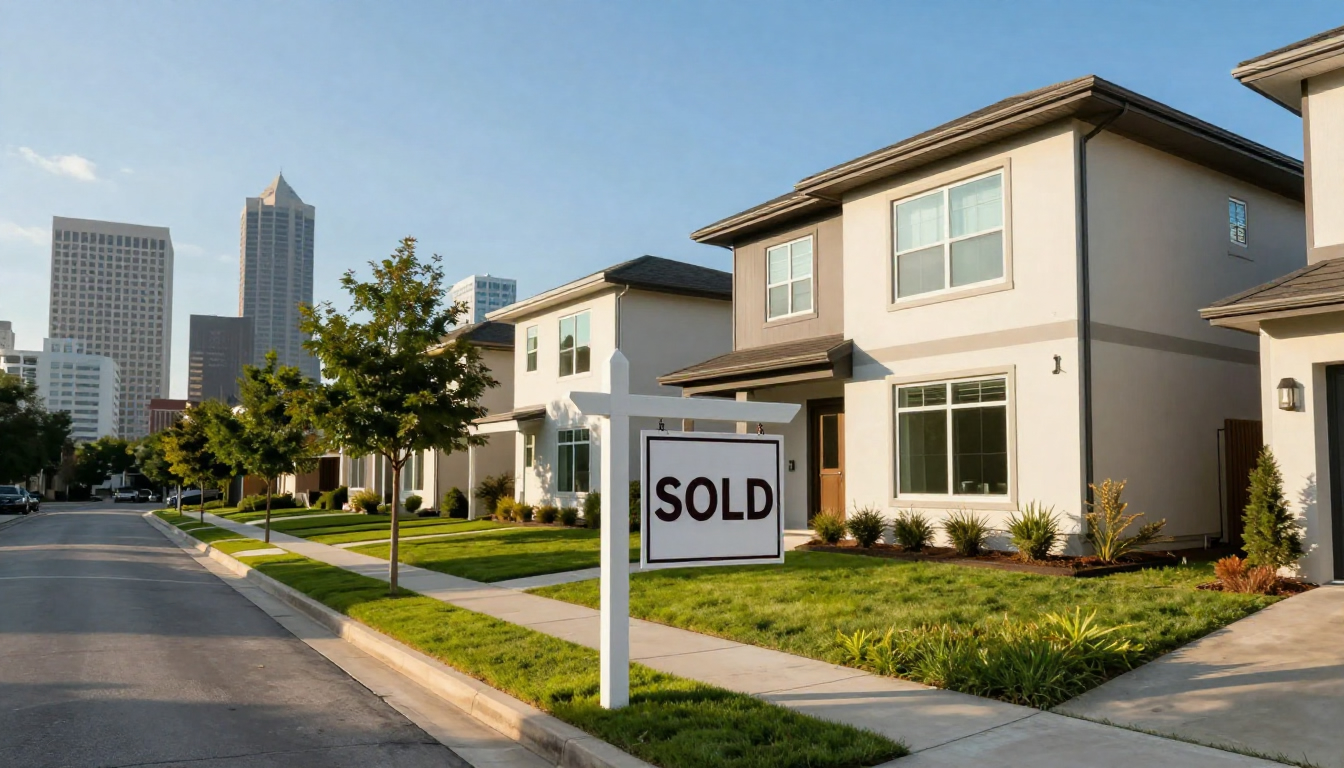
Essential Guide to Navigating the Houston Home Buying Process
Essential Guide to Navigating the Houston Home Buying Process
Introduction
Buying a home in Houston can be an exciting yet complex journey that requires careful planning and informed decision-making. With its diverse neighborhoods, competitive real estate market, and unique economic factors, Houston presents both opportunities and challenges for homebuyers. Whether you’re a first-time buyer or relocating to the area, understanding the intricacies of the local real estate landscape is crucial for success. This comprehensive guide walks you through each stage of the home buying process in Houston, from assessing your financial readiness to closing the deal. By exploring key topics such as financing options, neighborhood selection, market dynamics, and the importance of proper inspections, you’ll gain the knowledge needed to make confident decisions. Our goal is to demystify the process and empower you to navigate Houston’s real estate market with confidence and clarity.
Understanding your financial position and getting pre-approved
Before you begin your search for a home in Houston, it’s essential to evaluate your financial situation comprehensively. This involves reviewing your credit score, which plays a pivotal role in determining your mortgage eligibility and interest rates. Most lenders prefer a credit score of at least 620, though scores above 740 typically qualify for better rates. Beyond credit scores, lenders examine your debt-to-income ratio, which compares your monthly debt payments to your gross income. Generally, lenders prefer this ratio to be below 43 percent, though some may go higher depending on compensating factors.
Getting pre-approved for a mortgage is a critical step that separates serious buyers from casual browsers. Pre-approval involves a lender reviewing your financial documents, including tax returns, pay stubs, bank statements, and employment history. This process typically takes three to five business days and gives you a clear picture of how much you can borrow. Pre-approval differs significantly from pre-qualification, which is simply an estimate based on information you provide without verification. With pre-approval in hand, you demonstrate to sellers that you’re a credible buyer capable of following through on your offer.
Houston’s real estate market has seen significant growth, with median home prices fluctuating based on economic conditions and neighborhood demand. Understanding how much you can afford involves more than just calculating your maximum loan amount. Consider additional costs such as property taxes, homeowners insurance, HOA fees if applicable, and maintenance expenses. Houston property taxes are among the higher in the state, so factor this into your budget accordingly. Many financial advisors recommend that your total housing costs shouldn’t exceed 28 percent of your gross monthly income.
During this phase, you should also explore different loan options available to Houston buyers:
- Conventional loans require typically 3 to 20 percent down payment and are offered by banks and private lenders
- FHA loans allow down payments as low as 3.5 percent and are government-backed
- VA loans are available to military veterans and active duty service members with favorable terms
- USDA loans cater to rural properties in certain Houston-area locations
- Jumbo loans accommodate purchases above conventional loan limits for luxury properties
Take time to shop around with multiple lenders, as interest rates and fees can vary considerably. Even a difference of 0.25 percent in your interest rate can mean tens of thousands of dollars over the life of your loan. Online lenders, credit unions, and traditional banks all offer competitive options, and comparing offers helps you secure the best deal possible.
Navigating Houston’s diverse neighborhoods and market dynamics
Houston’s real estate market is remarkably diverse, spanning from urban revitalization projects to sprawling suburban developments. Each neighborhood offers distinct characteristics, price points, and lifestyle benefits that appeal to different buyers. Understanding these differences is fundamental to finding a home that aligns with your needs and investment goals.
The Heights and Montrose neighborhoods represent some of Houston’s trendiest areas, characterized by historic charm, walkable streets, and vibrant cultural scenes. These neighborhoods have experienced significant gentrification and appreciation over the past decade, making them attractive for investors and urban-minded buyers. However, prices in these areas have risen substantially, often commanding premium prices compared to other parts of the city.
For families seeking excellent school districts and spacious homes, suburban areas like Sugar Land, The Woodlands, and Katy provide well-established neighborhoods with strong community amenities. These areas typically offer larger lots, newer construction options, and planned community features like parks and recreational facilities. The trade-off involves longer commutes to downtown Houston and other employment centers.
The Midtown and Downtown areas have seen rapid revitalization, attracting young professionals and empty-nesters seeking urban lifestyle convenience. Modern condominiums and loft-style apartments appeal to those prioritizing walkability and proximity to restaurants, entertainment, and employment. However, these properties often come with higher HOA fees and potentially limited appreciation compared to single-family homes.
Understanding market dynamics is equally important as identifying neighborhoods. Houston’s real estate market operates differently than many other major metropolitan areas due to its lack of zoning laws, which creates unique development patterns. This regulatory freedom has historically kept housing prices more affordable than coastal markets, though recent demand has changed this dynamic.
| Neighborhood | Typical price range | Best for | Commute to downtown |
|---|---|---|---|
| The Heights | $400,000-$700,000 | Young professionals, urban lifestyle | 15-20 minutes |
| Sugar Land | $350,000-$600,000 | Families, excellent schools | 30-40 minutes |
| The Woodlands | $400,000-$800,000 | Families, master-planned communities | 45-60 minutes |
| Midtown | $300,000-$550,000 | Urban dwellers, no car dependence | 5-10 minutes |
| Clear Lake | $250,000-$450,000 | Waterfront enthusiasts, NASA employees | 25-35 minutes |
Market timing significantly impacts your buying experience and long-term returns. Houston experiences seasonal fluctuations, with spring and summer typically seeing increased inventory and buyer activity. Fall and winter often present opportunities with less competition and potentially more motivated sellers. Analyze neighborhood trends, absorption rates, and how long homes typically remain on the market in your target areas.
Work closely with a local real estate agent who understands these nuances and can provide comparative market analysis for properties you’re considering. They can identify emerging neighborhoods before significant appreciation occurs and alert you to properties that represent genuine value versus overpriced listings.
Making offers, negotiations, and due diligence
Once you’ve identified a property that meets your criteria, crafting a competitive offer becomes your next challenge. In Houston’s dynamic market, the strength of your offer depends on multiple factors beyond just price. Real estate agents recommend including an attractive earnest money deposit, typically one to two percent of the purchase price, which demonstrates your serious intent to buyers.
Understanding contract contingencies is crucial for protecting your interests as a buyer. The three most important contingencies include the financing contingency, which allows you to back out if you don’t secure a mortgage; the inspection contingency, which provides an opportunity to have the property professionally evaluated; and the appraisal contingency, which protects you if the home appraises for less than the agreed purchase price.
Negotiations in Houston often center on more than price. Sellers may include appliances, furniture, or agree to specific repairs rather than reducing the asking price. Your agent can advise on local customs and what concessions are realistic given current market conditions. Being flexible on certain points while holding firm on others demonstrates strategic negotiation skills.
The inspection period, typically seven to ten days, is your opportunity to conduct thorough due diligence on the property. Hire a qualified home inspector who examines the foundation, roof, HVAC systems, plumbing, electrical systems, and overall structural integrity. In Houston, where flooding has affected many properties, requesting a flood history and asking whether the property has flood insurance requirements is essential. Some properties in flood-prone areas may require elevated structures or other mitigation measures that affect long-term value and costs.
Beyond standard inspections, consider specialized evaluations depending on your circumstances:
- Radon testing to check for this colorless, odorless gas linked to health issues
- Mold inspection particularly important in Houston’s humid climate
- Pest inspection to identify termite damage or other infestations
- Chimney inspection if the property includes a fireplace
- Pool inspection for properties with swimming pools to assess maintenance and repair needs
- Septic system inspection for properties not connected to city sewers
Obtain a title search to confirm the seller owns the property and no liens or other encumbrances exist that would transfer to you. Title insurance protects you against future claims related to ownership issues, and this one-time cost is well worth the protection it provides.
After inspections, if significant issues emerge, you have options to renegotiate repair costs with the seller, request the seller complete repairs before closing, or ask for credits applied at closing. Understanding your priorities helps you negotiate effectively. A structural issue might warrant renegotiation, while cosmetic issues might be addressed after you own the property.
Finalizing the transaction and preparing for closing
As you approach closing, numerous final steps must be completed to transfer ownership successfully. Your lender orders the appraisal, a critical document that determines how much they’re willing to lend based on the property’s assessed value. If the appraisal comes in below your purchase price, you’ll need to either negotiate with the seller, increase your down payment, or walk away without losing your earnest money deposit if an appraisal contingency exists.
Review the Loan Estimate, which the lender must provide within three business days of your application. This document outlines all projected costs including interest rate, fees, and closing costs. Compare this carefully with your initial pre-approval to ensure no unexpected surprises emerge. Typical Houston closing costs range from 2 to 5 percent of the purchase price and include loan origination fees, appraisal fees, title insurance, attorney fees, and property taxes.
Scheduling a final walkthrough within 24 hours of closing allows you to confirm agreed-upon repairs were completed, included items remain in the property, and no damage has occurred since you made your offer. This step protects you from discovering problems after you’ve committed to the purchase.
Title insurance becomes essential in the closing process. Texas law doesn’t require it, but lenders virtually always do. You’ll typically choose the title company, and they conduct a comprehensive search of the property’s ownership history. An owner’s title policy protects your equity investment against claims that might arise after closing, such as undisclosed liens or fraudulent transfers in the property’s history.
The closing disclosure must be provided at least three business days before closing, giving you time to review all final numbers and costs. This document is similar to the Loan Estimate but contains actual figures rather than estimates. Any significant discrepancies should be addressed immediately with your lender.
At closing, you’ll sign numerous documents including the promissory note, mortgage or deed of trust, and closing disclosures. An attorney, title company representative, or notary public typically oversees this process in Texas. Bring a valid government-issued ID and be prepared to review documents carefully before signing. Ask questions about anything you don’t understand.
Funding, where the lender transfers money to the title company, typically occurs the day before or day of closing. Once funded and all documents are signed, the title company records the deed with Harris County or the appropriate county if you’re buying in a different Houston-area location. Recording officially transfers ownership to you and marks the completion of your home purchase journey.
Budget for post-closing expenses such as utility setup, homeowners insurance, property taxes, HOA fees, and immediate maintenance needs. Many buyers underestimate these costs, so planning ahead prevents financial stress during your first months as a homeowner.
Conclusion
Navigating the Houston home buying process requires knowledge, preparation, and strategic decision-making at each step. From assessing your financial readiness and obtaining pre-approval through understanding diverse neighborhoods and market dynamics, you’ve learned that successful home buying extends far beyond simply finding a property you like. The process demands careful attention to details including thorough inspections, meaningful negotiations, and comprehensive due diligence to protect your interests and investment. Understanding Houston’s unique market characteristics, from its lack of zoning laws to its vulnerability to flooding, allows you to make informed decisions that align with your financial goals and lifestyle preferences. By following the structured approach outlined in this guide, conducting proper research, and working with qualified professionals including lenders, real estate agents, and inspectors, you significantly increase your chances of finding the right property at the right price. Remember that home buying is a marathon, not a sprint. Take time to understand your needs, resist pressure to act impulsively, and maintain flexibility as market conditions and personal circumstances evolve. With this comprehensive knowledge and thoughtful execution, you’ll successfully complete your Houston home purchase and transition into homeownership with confidence.

Free Guide:
First-Time Homebuyer Loans Explained
Download the free playbook that explains your options in plain English—written by a CPA and licensed Realtor.