
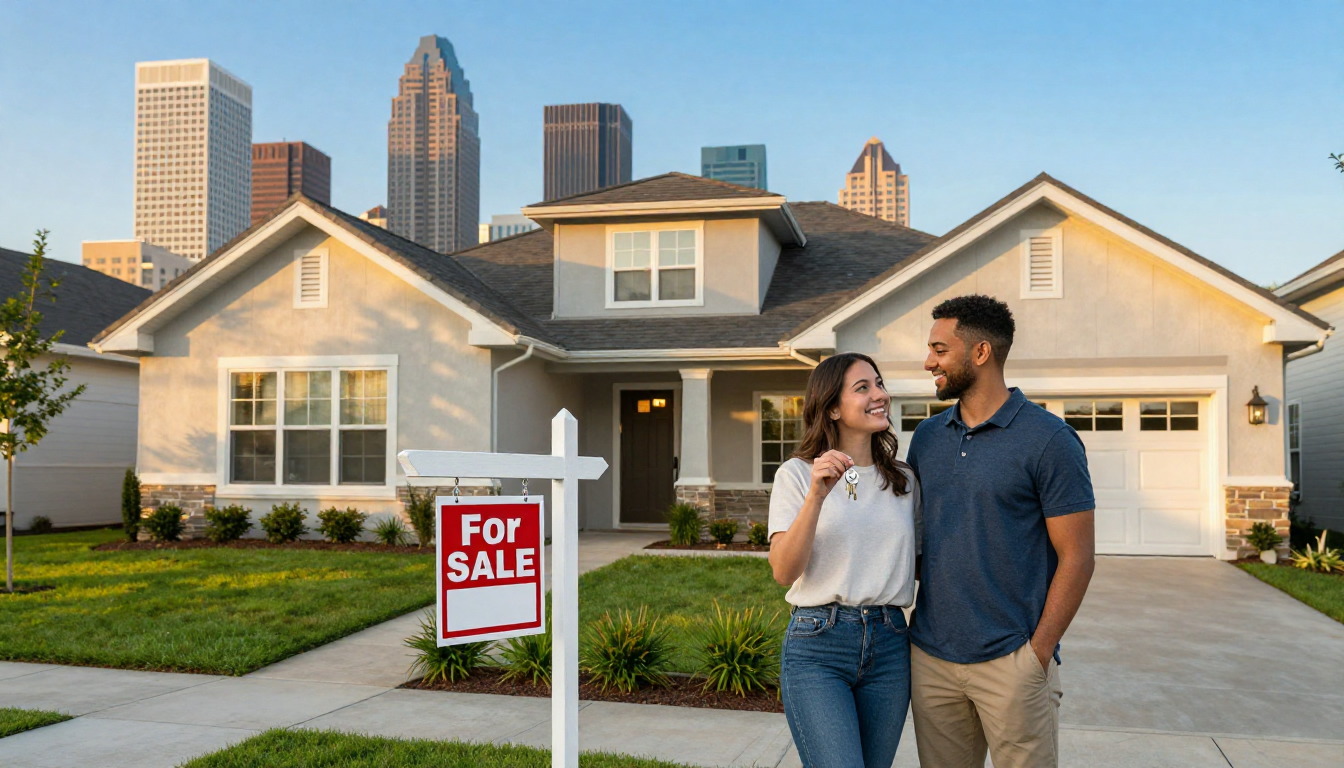
Essential Guide to Buying Your First Home in Houston’s Top Neighborhoods
Essential guide to buying your first home in Houston’s top neighborhoods
Introduction
Buying your first home is one of the most significant financial decisions you’ll make in your life, and choosing the right location in Houston makes all the difference. Houston, Texas’s largest city, offers diverse neighborhoods with varying price points, amenities, and lifestyles to suit different buyer preferences. Whether you’re attracted to urban energy, suburban tranquility, or waterfront living, understanding Houston’s top neighborhoods is essential before making your investment. This comprehensive guide will help you navigate the Houston real estate market, explore the city’s most desirable areas, understand the financial aspects of homeownership, evaluate neighborhoods based on your priorities, and make an informed decision that aligns with your lifestyle and budget. By the end of this guide, you’ll have the knowledge and confidence to find your perfect first home in Houston.
Understanding Houston’s real estate market dynamics
Before diving into specific neighborhoods, it’s crucial to understand how Houston’s real estate market operates and what makes it unique compared to other major cities. Houston has historically offered relatively affordable housing compared to other metropolitan areas, making it an attractive destination for first-time homebuyers. The market has experienced steady growth over the past decade, with property values appreciating consistently despite market fluctuations.
One of the defining characteristics of Houston’s market is the lack of zoning regulations, which means mixed-use developments and diverse property types coexist throughout the city. This creates both opportunities and challenges for homebuyers. On one hand, you might find a beautiful home in a neighborhood with varied architectural styles and mixed commercial activity. On the other hand, you need to research specific areas carefully to ensure the neighborhood maintains the character and quality you desire.
Houston’s real estate market is also heavily influenced by oil and gas industries, technology sectors, and healthcare institutions. These economic drivers attract professionals and families, continuously increasing demand for residential properties. The city’s population growth, averaging around 2-3% annually, keeps the real estate market competitive, particularly in desirable neighborhoods.
Interest rates, property taxes, and insurance costs are critical considerations for first-time buyers. Texas has no state income tax, which is a significant financial advantage for homeowners. However, property taxes in Houston average around 1.6-1.8% of home value annually, higher than the national average. Understanding these financial dynamics helps you accurately calculate your total cost of homeownership and determine your real budget capacity.
Exploring Houston’s most desirable neighborhoods for first-time buyers
Houston encompasses numerous neighborhoods with distinct characteristics, price ranges, and appeal. Rather than viewing the entire city as one market, successful first-time buyers focus on neighborhoods that match their lifestyle, budget, and long-term goals.
The Heights represents one of Houston’s most vibrant neighborhoods, located northwest of downtown. This area has undergone significant revitalization over the past fifteen years, transforming into a trendy destination with excellent walkability, independent shops, restaurants, and cultural venues. Properties here range from historic bungalows to modern renovations, with prices ranging from $400,000 to $800,000 for typical single-family homes. The neighborhood attracts young professionals and families who value urban convenience and community engagement.
Montrose offers urban living with artistic flair and cultural diversity. This centrally located neighborhood features tree-lined streets, vintage homes, and eclectic dining and entertainment options. Home prices typically range from $350,000 to $700,000, making it accessible for first-time buyers seeking urban lifestyle. Montrose is popular among those who prioritize walkability and cultural activities over suburban amenities.
Midtown appeals to young professionals seeking modern urban living with high-rise apartments and lofts. While primarily rental-focused, Midtown offers some purchase opportunities for buyers interested in contemporary urban development. This neighborhood is perfect for those early in their careers who may not need a large single-family home yet.
Bellaire provides a stark contrast as a more established, affluent neighborhood south of Houston’s central business district. Known for excellent schools, large properties, and mature tree canopies, Bellaire attracts families with children and established professionals. Home prices generally range from $600,000 to $1.5 million or higher. The neighborhood offers security, community services, and long-term value appreciation.
East End and Second Ward are emerging neighborhoods attracting investors and first-time buyers seeking value and potential appreciation. These historically significant areas are experiencing revitalization with new development while maintaining cultural character. Property prices are more affordable, ranging from $200,000 to $400,000, making them ideal for budget-conscious buyers.
Sugar Land and Katy are suburban alternatives offering family-friendly environments, excellent schools, newer construction, and planned communities. These areas appeal to families with children and those preferring suburban lifestyle. Home prices range widely from $300,000 to $700,000 depending on specific location and property age.
| Neighborhood | Price range | Walkability | Best for | Key features |
|---|---|---|---|---|
| The Heights | $400,000 – $800,000 | High | Young professionals and families | Historic homes, vibrant culture, trendy dining |
| Montrose | $350,000 – $700,000 | High | Urban lifestyle seekers | Artistic scene, diverse population, walkable streets |
| Bellaire | $600,000 – $1.5M+ | Low-Medium | Families with children | Excellent schools, mature trees, large properties |
| East End | $200,000 – $400,000 | Medium | Budget-conscious buyers | Historic character, revitalization, value potential |
| Sugar Land | $300,000 – $700,000 | Low | Families seeking suburban living | Planned communities, excellent schools, newer homes |
Each neighborhood offers unique advantages, and the best choice depends on your priorities. Consider creating a weighted scoring system evaluating commute times, school ratings, walkability, community amenities, and property appreciation potential alongside price.
Financial preparation and the homebuying process
Successfully purchasing your first home requires thorough financial preparation and understanding each step of the buying process. This preparation phase determines not just whether you can buy, but whether you can afford to sustain homeownership comfortably.
Pre-approval is your first critical step. Before house hunting, contact mortgage lenders to obtain pre-approval letters. This document verifies your financial capacity to borrow and significantly strengthens your offer when competing in Houston’s active market. Lenders examine your credit score, debt-to-income ratio, employment history, and down payment savings. Aim for a credit score above 740 for optimal interest rates, though scores above 620 can still qualify for FHA loans.
Determine your realistic budget by calculating how much house you can afford. A common guideline suggests housing costs shouldn’t exceed 28% of gross monthly income, though this varies based on personal circumstances. In Houston, first-time buyers typically put down 3-5% for conventional loans or 3.5% for FHA loans. Larger down payments of 15-20% reduce monthly payments and eliminate private mortgage insurance (PMI).
Beyond the mortgage payment, budget for additional homeownership costs that first-time buyers often overlook. Property taxes in Houston average 1.6-1.8% of home value annually. Homeowners insurance typically costs $800-$1,200 annually depending on property value and coverage. HOA fees, if applicable, range from $100 to $400 monthly. Maintenance and repairs should account for 1% of home value annually for older homes or 0.5% for newer construction. Utilities generally run $150-$300 monthly depending on season and usage.
Once pre-approved and budget-conscious, work with a real estate agent specializing in your target neighborhoods. Houston’s market requires professional guidance to navigate neighborhoods, identify emerging areas, and understand local market trends. Your agent should understand school districts, community development plans, and comparative market analysis for informed decisions.
The offer and negotiation phase comes after finding your ideal property. Houston’s market can be competitive, so your agent’s expertise matters tremendously. Consider inspection contingencies, appraisal contingencies, and closing timeline carefully. Houston properties typically close within 30 days, faster than many markets.
Home inspections are non-negotiable in Houston’s climate. The heat, humidity, and occasional flooding require careful inspection of roofing, HVAC systems, foundation, and drainage. Flood insurance is strongly recommended, particularly in flood-prone areas, costing $500-$2,000 annually depending on risk level.
Evaluating neighborhoods beyond prices and amenities
Choosing a neighborhood involves more than comparing prices and listing amenities. Successful first-time buyers conduct thorough research into community factors that affect quality of life and long-term property value.
School quality significantly impacts property values and resale potential, even for buyers without children. Properties in highly-rated school districts appreciate faster than those in lower-rated districts. Research Texas Education Agency (TEA) ratings, standardized test scores, and graduation rates through public databases. The best neighborhoods combine good schools with active parent involvement and community engagement.
Investigate flood risk and drainage patterns carefully. Houston’s unique geography and climate create flooding concerns even in areas that don’t regularly flood. Review flood maps through FEMA and Harris County Flood Control District. Talk with current residents about their flooding experiences and observe drainage infrastructure during property visits.
Research crime statistics and safety patterns through local police department data and neighborhood crime maps. While statistics vary, understanding which areas have increasing or decreasing crime helps inform your decision. Visit neighborhoods at different times, including evenings and weekends, to personally assess safety and comfort levels.
Commute times significantly impact daily quality of life. Map commute times to your workplace from various neighborhoods, accounting for Houston’s significant traffic congestion during peak hours. A 15-minute shorter commute saves substantial time and vehicle wear annually. Public transportation options, while limited in Houston compared to other major cities, matter for some buyers.
Future development and neighborhood trajectory deserve serious consideration. Research city planning documents, proposed commercial developments, and infrastructure projects. Neighborhoods with planned improvements in schools, transportation, or commercial amenities often appreciate faster. Conversely, planned commercial development near residential areas might reduce property values for some.
Community involvement and neighborhood organizations indicate strong neighborhoods. Established HOAs, active community groups, and regular neighborhood events suggest engaged residents and maintained properties. These communities tend to preserve property values better than fragmented neighborhoods lacking community structure.
Visit neighborhoods multiple times at different hours and seasons. Observe parking availability, street maintenance, green space quality, and neighbor interactions. Your comfort in a neighborhood matters tremendously for long-term satisfaction, not just financial investment considerations.
Conclusion
Buying your first home in Houston represents an exciting opportunity to build wealth while establishing roots in a dynamic, growing city. The Houston real estate market offers diverse neighborhoods catering to various lifestyles and budgets, from trendy urban communities like The Heights and Montrose to family-friendly suburbs like Bellaire and Sugar Land. Success in this market requires understanding Houston’s unique characteristics, preparing finances thoroughly, and conducting comprehensive neighborhood research beyond simple price comparisons. First-time buyers should obtain pre-approval, calculate realistic budgets including all homeownership costs beyond mortgage payments, and work with experienced local real estate professionals who understand specific neighborhoods. Evaluating neighborhoods requires investigating school quality, flood risk, safety, commute times, and community characteristics that impact both quality of life and long-term property value. By following this guide, conducting thorough research, and taking time to find the right neighborhood match, you’ll make an informed decision that sets a strong foundation for your Houston homeownership journey and financial future.

Free Guide:
First-Time Homebuyer Loans Explained
Download the free playbook that explains your options in plain English—written by a CPA and licensed Realtor.