
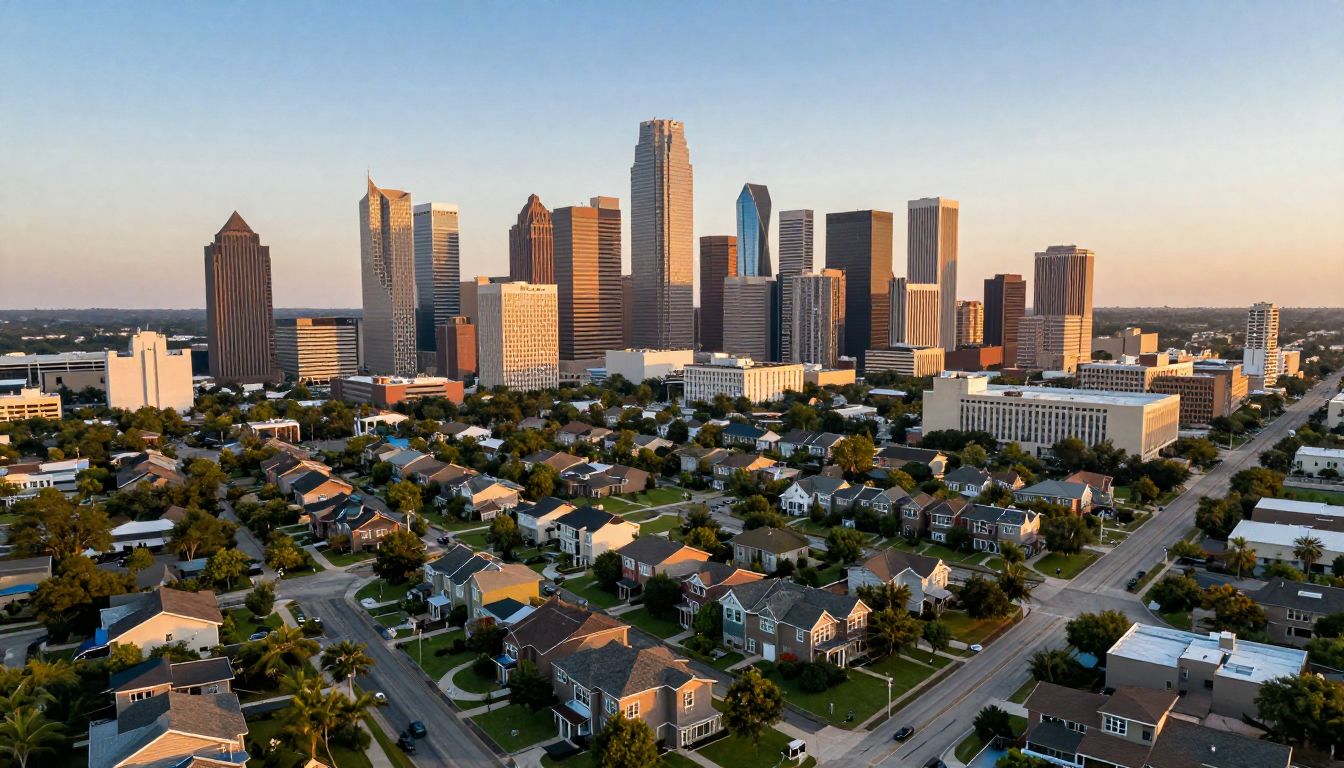
Emerging Houston Neighborhoods: Best Areas to Invest and Live in 2026
Emerging Houston Neighborhoods: Best Areas to Invest and Live in 2026
Introduction
Houston’s real estate market continues to evolve as new neighborhoods gain prominence and established areas undergo significant transformation. As we look toward 2026, understanding which neighborhoods offer the best investment potential and quality of life is essential for both prospective homebuyers and real estate investors. The city’s rapid expansion, driven by population growth and economic diversification, has created unique opportunities in emerging areas that combine affordability with modern amenities. This article explores the most promising neighborhoods across Houston, examining factors like development trends, infrastructure improvements, demographic shifts, and market forecasts. Whether you’re seeking a family-friendly community, a vibrant urban setting, or an investment opportunity with strong growth potential, Houston’s diverse neighborhoods provide compelling options for 2026 and beyond.
Infrastructure development and connectivity
Houston’s emerging neighborhoods are experiencing unprecedented infrastructure improvements that directly impact property values and livability. The expansion of major roadways, public transportation initiatives, and utility upgrades are reshaping how residents access employment centers and entertainment districts. Areas previously considered remote are now becoming increasingly accessible through strategic transportation projects.
The Grand Parkway expansion continues to open previously underdeveloped land corridors, particularly in northwest and northeast Houston. This outer loop creates a more efficient alternative to I-610 and the Beltway, reducing commute times significantly. Neighborhoods positioned along these expanded routes have experienced property appreciation rates of 8-12% annually. Additionally, the Houston Metro transit system is extending service lines into emerging areas, particularly toward Uptown and Midtown extensions, making car-free living increasingly viable for residents.
Mixed-use developments are clustering around these infrastructure nodes, creating walkable communities with retail, dining, and office spaces within close proximity. The interconnected nature of these improvements means that neighborhoods benefit not in isolation but as part of a larger urban ecosystem. When a new metro station opens, surrounding properties typically see 15-20% appreciation within 18 months.
Water and flood management infrastructure deserves particular attention in Houston’s context. Recent investments in stormwater systems and retention facilities have made previously flood-prone areas more desirable. Neighborhoods like areas near Buffalo Bayou Park have benefited from both recreational improvements and enhanced flood protection measures, creating dual appeal for residents seeking both safety and lifestyle amenities.
Economic diversification and job growth
Beyond the traditional energy sector, Houston’s economy is rapidly diversifying into technology, healthcare, aerospace, and advanced manufacturing. This economic shift creates new employment hubs that influence where professionals choose to live and where property values accelerate. Neighborhoods positioned near these emerging job centers enjoy competitive advantages in terms of population attraction and long-term appreciation.
The Uptown-Galleria corridor remains Houston’s most robust commercial district, but newer employment centers are developing in areas like the East End, where tech startups and creative industries are establishing roots. The proximity to Houston’s port and aerospace facilities makes certain neighborhoods particularly attractive to companies in logistics and advanced manufacturing. Neighborhoods like Pasadena and Pearland, while technically suburban, are becoming employment destinations themselves rather than merely bedroom communities.
The Texas Medical Center, one of the world’s largest medical complexes, continues to expand its operations and is driving significant growth in surrounding neighborhoods. Professionals working in healthcare increasingly seek residences closer to this employment hub, particularly in areas like Greenway-Upper Kirby and the developing areas south of the medical center. This proximity factor translates into sustained demand and consistent property value growth.
The following table illustrates recent job growth and median home price trends in several emerging neighborhoods:
| Neighborhood | Job growth 2023-2025 | Median home price 2025 | Price appreciation 2023-2025 | Primary employment sectors |
|---|---|---|---|---|
| East End/Midtown | 18% | $485,000 | 22% | Tech, creative industries, hospitality |
| Sunnyside-Gulfton | 14% | $285,000 | 26% | Light manufacturing, logistics, retail |
| Near Greenspoint | 16% | $365,000 | 19% | Corporate offices, healthcare, tech |
| Montrose East | 20% | $625,000 | 31% | Finance, technology, professional services |
| Missouri City-Sienna | 12% | $395,000 | 17% | Manufacturing, logistics, corporate parks |
Demographic trends and community character
Houston’s demographic composition is shifting in ways that influence both neighborhood development and investment potential. Younger professionals, families, and international immigrants are seeking affordable communities with cultural amenities and strong school systems. These preferences are reshaping neighborhood priorities and development patterns across the city.
The millennial and Gen Z demographic is increasingly drawn to walkable, transit-friendly neighborhoods with a strong food and entertainment scene. This preference has elevated neighborhoods like East End, Heights, and Washington Avenue, where food halls, breweries, and cultural venues cluster together. These areas appeal to young professionals earning moderate to upper incomes who prioritize lifestyle over square footage.
Simultaneously, family-oriented communities in emerging suburban areas are growing rapidly. Neighborhoods in southwest Houston, particularly in areas like Missouri City, Sienna, and Fort Bend County, are attracting families seeking larger homes on spacious lots with top-rated schools. The growth in these areas reflects the enduring Houston tradition of suburban expansion, but now coupled with modern master-planned community amenities.
The international demographic has historically influenced Houston’s development patterns, and this continues in emerging neighborhoods. Areas with established ethnic communities often experience revitalization as second and third-generation residents upgrade properties and attract new investment. Some neighborhoods that were considered declining are now stabilizing and appreciating due to community-driven reinvestment and cultural vitality.
Quality of life factors matter increasingly to emerging neighborhood residents. Proximity to parks, recreational facilities, quality restaurants, and cultural institutions now rank alongside traditional factors like school quality and commute time. Neighborhoods offering this combination of factors are outperforming those with limited lifestyle amenities, even if property prices are initially lower.
Investment potential and market outlook for 2026
From a pure investment perspective, certain Houston neighborhoods present exceptional opportunities as we approach 2026. Understanding which areas offer the best combination of appreciation potential, rental income, and lower entry costs requires analysis of multiple factors including current pricing, development pipeline, and demographic trajectory.
Neighborhoods still in early stages of gentrification offer the highest appreciation potential but carry higher risk. Sunnyside and Gulfton represent classic examples where infrastructure improvements (new or improved transit access, improved roads) are beginning to drive demand, but prices haven’t yet reflected future value. First-mover investors in these areas can expect 25-35% appreciation over a five-year horizon, though the timeline requires patience and market monitoring.
Mid-stage emerging neighborhoods like East End and Montrose East offer more predictable returns with lower risk. These areas have already demonstrated demand and price appreciation, with clear catalysts for continued growth. While appreciation rates may be lower than early-stage neighborhoods (typically 12-18% over five years), the risk profile is substantially better and rental income potential is higher due to strong tenant demand.
For those seeking stable income with moderate appreciation, established suburban areas like Missouri City and Pearland offer reliable rentals with consistent occupancy rates. These neighborhoods attract families looking for school quality and space, ensuring steady tenant demand even during economic downturns. Appreciation may lag emerging urban neighborhoods, but vacancy rates typically remain below 5%.
The rental market dynamics differ significantly across neighborhoods. Urban-oriented emerging neighborhoods typically command higher rental rates relative to purchase price (lower cap rates but higher absolute rental income), while suburban areas offer more stable long-term appreciation with moderate rental returns. Investors should choose neighborhoods matching their investment strategy: income-focused investors should prioritize urban areas, while appreciation-focused investors should consider secondary emerging neighborhoods with strong demographic trends.
Key metrics for evaluating investment potential include days-on-market, price-per-square-foot trends, rental yield potential, and proximity to planned infrastructure projects. Neighborhoods where days-on-market are decreasing and price momentum is positive typically continue appreciating. Conversely, areas where inventory is building and price growth is slowing may be entering correction phases.
Conclusion
Houston’s real estate landscape in 2026 presents diverse opportunities for both residents and investors across multiple neighborhood types and price points. Infrastructure improvements, economic diversification, and evolving demographic preferences are reshaping property values and community character throughout the city. Early-stage emerging neighborhoods like Sunnyside and Gulfton offer exceptional appreciation potential for risk-tolerant investors, while mid-stage areas like East End and Montrose East provide more balanced risk-reward profiles. Suburban communities continue attracting families with their combination of space, school quality, and master-planned amenities. Success in Houston’s real estate market requires understanding both local neighborhood dynamics and broader economic trends. By carefully evaluating infrastructure development, employment opportunities, demographic composition, and current market pricing, investors and homebuyers can identify neighborhoods aligned with their specific objectives. The neighborhoods highlighted in this analysis are positioned for sustained growth through 2026, but continued monitoring of development timelines and market conditions remains essential for making informed decisions in this dynamic market.

Free Guide:
First-Time Homebuyer Loans Explained
Download the free playbook that explains your options in plain English—written by a CPA and licensed Realtor.