

A Comprehensive Guide to VA Loan Benefits and Eligibility in Texas
A comprehensive guide to VA loan benefits and eligibility in Texas
Introduction
Veterans and active-duty service members have access to one of the most valuable homeownership programs available in the United States: the VA loan. In Texas, this benefit becomes even more significant given the state’s diverse housing market and substantial veteran population. The VA loan program, backed by the Department of Veterans Affairs, offers eligible military personnel the opportunity to purchase homes with favorable terms, minimal down payments, and competitive interest rates. This comprehensive guide explores the essential aspects of VA loan benefits and eligibility requirements specific to Texas, providing veterans with the knowledge needed to make informed decisions about their home purchase journey. Understanding these benefits can help Texas veterans achieve homeownership goals while maximizing the financial advantages they’ve earned through their military service.
Understanding VA loan basics and core benefits
The VA loan program stands out in the mortgage market because it fundamentally shifts the burden of risk from borrowers to the government. Unlike conventional loans that typically require down payments ranging from 3% to 20%, VA loans allow eligible borrowers to purchase homes with zero down payment. This single feature has transformed homeownership accessibility for countless Texas veterans who might otherwise struggle to accumulate sufficient savings for a traditional down payment.
Beyond the zero down payment advantage, VA loans offer several interconnected benefits that create substantial long-term savings. The government’s backing of these loans allows lenders to offer lower interest rates compared to conventional mortgages. Over a 30-year loan term, this rate difference can translate into tens of thousands of dollars in savings. For example, a veteran securing a VA loan at 6.5% interest versus a conventional loan at 7.2% could save approximately $50,000 on a $300,000 home purchase.
Another critical benefit is the absence of private mortgage insurance (PMI). Conventional borrowers without a substantial down payment must pay PMI, which increases monthly payments considerably. VA loans eliminate this requirement entirely, further reducing monthly housing costs. Texas veterans also benefit from the VA funding fee, which is a one-time fee paid to the VA rather than to a private insurance company, and this fee is significantly lower than PMI costs.
The structure of VA loans also includes flexibility that conventional loans rarely offer. Veterans can use their VA loan benefit multiple times throughout their lives, making it possible to purchase different properties at different stages. Additionally, the VA provides a process called a vendee loan that allows veterans to purchase VA-owned properties directly without a realtor or lender involvement.
Eligibility requirements and certification for Texas veterans
Determining eligibility for a VA loan requires understanding specific service requirements established by the Department of Veterans Affairs. Not all military service automatically qualifies individuals for VA benefits, and the requirements have evolved over different service periods. In Texas, where military installations like Fort Hood and Joint Base San Antonio-Lackland house thousands of active-duty personnel and reservists, understanding these requirements becomes particularly important.
The basic eligibility timeline depends on when service members served. Those who served on active duty prior to September 8, 1980, must have completed at least 181 days of active duty service. For those who served between September 8, 1980, and August 1, 1990, the requirement increases to 24 months of continuous active duty or completion of their initial service obligation. Post-August 1990 service members must complete 24 months of active duty or their full service obligation, whichever is shorter.
Reserve and National Guard members face slightly different requirements. Members must have completed 24 months of continuous duty or their entire service obligation. However, reservists called to active duty for at least 24 months may qualify even if their regular reserve service was shorter.
Establishing eligibility in Texas requires obtaining a Certificate of Eligibility (COE), which serves as official documentation proving veteran status to lenders. The VA offers multiple methods for obtaining a COE. Veterans can apply through the VA website using eBenefits, by mail using VA Form 26-1880, through a lender who can often request it on the applicant’s behalf, or by contacting their nearest VA regional office. Texas has seven major VA regional offices located in Houston, Dallas, San Antonio, Austin, Waco, Lubbock, and Amarillo, ensuring accessibility for veterans throughout the state.
Beyond basic service requirements, the VA evaluates creditworthiness and financial stability. While VA loans are more flexible than conventional mortgages regarding credit scores, most lenders prefer a minimum credit score of 620. The VA itself doesn’t mandate a specific credit score, but lenders use this metric to assess repayment ability. Texas veterans should also be aware that a dishonorable discharge or discharge under dishonorable conditions typically disqualifies individuals from VA benefits.
Understanding entitlement and loan limits in Texas
The concept of VA loan entitlement represents the government’s maximum liability guarantee on a VA-backed mortgage. This entitlement amount has changed over time and directly impacts how much a veteran can borrow. Understanding entitlement becomes crucial because it determines whether a veteran can purchase a property outright using VA financing or needs additional conventional financing.
Most veterans, particularly those who served after January 1, 1989, have a basic entitlement of $36,000. This means the VA guarantees up to $36,000 of a loan amount. However, many Texas lenders will approve loans up to four times this entitlement amount, which translates to approximately $144,000 in guaranteed funding. In high-cost markets like Austin or Dallas, where median home prices exceed $400,000, veterans often need to use additional entitlement or bring cash to close the gap.
The VA provides additional entitlement for veterans who’ve already used their basic entitlement for a previous home purchase and then sold that property or paid off the loan. This additional entitlement can significantly increase borrowing capacity. Some Texas veterans have accumulated entitlements exceeding $100,000, though the exact amount depends on individual circumstances and previous VA loan usage.
Texas doesn’t impose state-specific loan limits on VA mortgages, making it one of the more veteran-friendly states for VA financing. However, property value and location significantly impact loan structure. The VA loan program works seamlessly in urban Texas markets like Houston, Dallas-Fort Worth, San Antonio, and Austin, as well as rural areas throughout the state. Veterans purchasing properties in these diverse markets should consult with VA-savvy lenders who understand Texas-specific considerations.
Here’s how entitlement typically breaks down for various scenarios:
| Veteran status | Basic entitlement | Typical lender approval | Additional entitlement available |
|---|---|---|---|
| First-time VA loan user (post-1989) | $36,000 | Up to $144,000 | Yes (after previous loan payoff) |
| Previous VA loan paid off | $36,000 renewed | Up to $144,000 plus previous amount | Yes, can accumulate over $100,000 |
| Previous VA loan active, seeking second property | Remaining entitlement | Varies based on remaining guarantee | Limited by existing loan |
The VA loan application process and Texas considerations
Applying for a VA loan in Texas involves multiple steps that differ somewhat from conventional mortgage applications, primarily because of VA-specific requirements and protections built into the process. Understanding this process helps veterans navigate it efficiently and avoid common pitfalls.
The application process begins with pre-qualification, where a lender evaluates basic financial information to estimate borrowing capacity. However, unlike conventional pre-qualification, VA loan pre-qualification involves reviewing the Certificate of Eligibility and assessing the applicant’s entitlement status. Many Texas lenders now offer online pre-qualification tools specifically designed for VA loans, allowing veterans to get initial guidance within hours.
Once a property has been identified, the veteran proceeds to formal application and underwriting. During this phase, the lender orders a VA appraisal, which differs significantly from conventional appraisals. The VA appraisal includes a property condition assessment to ensure the property meets minimum standards for veteran safety and structural integrity. In Texas, where properties range from historic homes in San Antonio to modern developments in Austin, these appraisals ensure veterans don’t purchase homes with hidden defects or safety concerns.
A critical Texas-specific consideration involves the Property Condition Appraisal. The VA appraiser checks for issues like faulty electrical systems, unsafe plumbing, structural defects, and environmental hazards. If deficiencies are found, the seller must address them before the VA will approve the loan. This protection mechanism has saved countless Texas veterans from purchasing properties with expensive hidden problems. In some cases, sellers may refuse to make repairs, which allows veterans to walk away without penalty.
Texas veterans should be aware that VA loan assumptions present unique opportunities. If a previous owner obtained a VA loan on a property, a new veteran buyer can assume that loan, taking over the remaining balance and terms. This can be advantageous if the previous loan carried a favorable interest rate. Texas has seen increased assumption activity during periods of rising interest rates, as veterans seek to lock in lower rates from previous loans.
The approval timeline typically spans 30 to 45 days from application to closing, though in some cases it extends longer. Texas veterans should maintain communication with their lender throughout this period, respond promptly to document requests, and address any underwriting conditions immediately to avoid delays.
Maximizing VA loan benefits while avoiding common mistakes
Understanding the mechanics of VA loans represents one component of successful homeownership; strategically maximizing their benefits while avoiding costly errors represents another equally important aspect. Texas veterans who approach VA loans thoughtfully can significantly enhance their financial outcomes.
One frequently overlooked consideration involves entitlement preservation. Many veterans don’t realize they can preserve their VA loan entitlement by paying off their VA loan in full before purchasing another property. If a veteran sells a property and pays off the VA loan, their full entitlement becomes available again. However, if they still owe on a VA loan while attempting to purchase another property, their remaining entitlement gets divided between the two properties. For Texas veterans considering multiple real estate transactions throughout their lives, this distinction carries significant implications.
The VA funding fee deserves careful consideration, as it represents a cost unique to VA loans. Most veterans pay between 2.3% and 3.6% of the loan amount as a funding fee, which typically gets rolled into the mortgage balance. However, disabled veterans rated at 0% disability or those receiving service-related disability compensation are exempt from this fee, potentially saving tens of thousands of dollars. Texas veterans should verify their eligibility for this exemption before finalizing their loan.
Another strategic consideration involves working with VA-savvy lenders and realtors. Not all lenders understand VA loan nuances, and some may incorrectly advise borrowers or miss opportunities to optimize their benefits. Texas has excellent resources through veteran organizations and the VA itself that maintain lists of recommended lenders familiar with the state’s market conditions. Similarly, realtors experienced with VA loans understand how to structure transactions to protect veteran buyers and navigate property-specific requirements.
Texas veterans should also understand their occupancy requirements. VA loans require that the veteran occupy the property as their primary residence within a specified timeframe. This prevents speculation and ensures the program serves its intended purpose. Veterans cannot use VA loans to purchase investment properties or rental units, though they can later rent out a property they previously occupied with a VA loan.
Finally, veterans should avoid these common pitfalls: changing jobs or employment status immediately before or after applying, making large purchases that impact debt-to-income ratios, closing other lines of credit that affect creditworthiness, and failing to inform lenders about financial changes. Texas veterans who maintain financial stability throughout the application process significantly increase their approval probability and secure the best possible terms.
Conclusion
The VA loan program represents a transformative benefit for Texas veterans, offering homeownership opportunities that would otherwise remain financially inaccessible. This comprehensive guide has explored the multifaceted aspects of VA loans, from foundational benefits like zero down payments and no PMI requirements to the specific eligibility pathways that Texas veterans must navigate. Understanding entitlement structures, the application process, and strategic approaches to maximizing benefits empowers veterans to make confident homeownership decisions aligned with their financial goals. Texas, with its diverse housing markets, robust military presence, and substantial veteran population, offers exceptional opportunities for VA loan utilization. Veterans who thoroughly understand their eligibility status, secure their Certificate of Eligibility, and work with experienced VA lenders position themselves to leverage this earned benefit effectively. Whether purchasing a first home in Austin’s competitive market, a modest property in rural Texas, or an investment in San Antonio’s growing neighborhoods, Texas veterans now possess the knowledge necessary to navigate the entire VA loan journey successfully. By avoiding common mistakes and strategically utilizing their entitlement benefits, veterans can achieve sustainable homeownership that strengthens their financial futures and honors the benefits they’ve earned through their service to our nation.
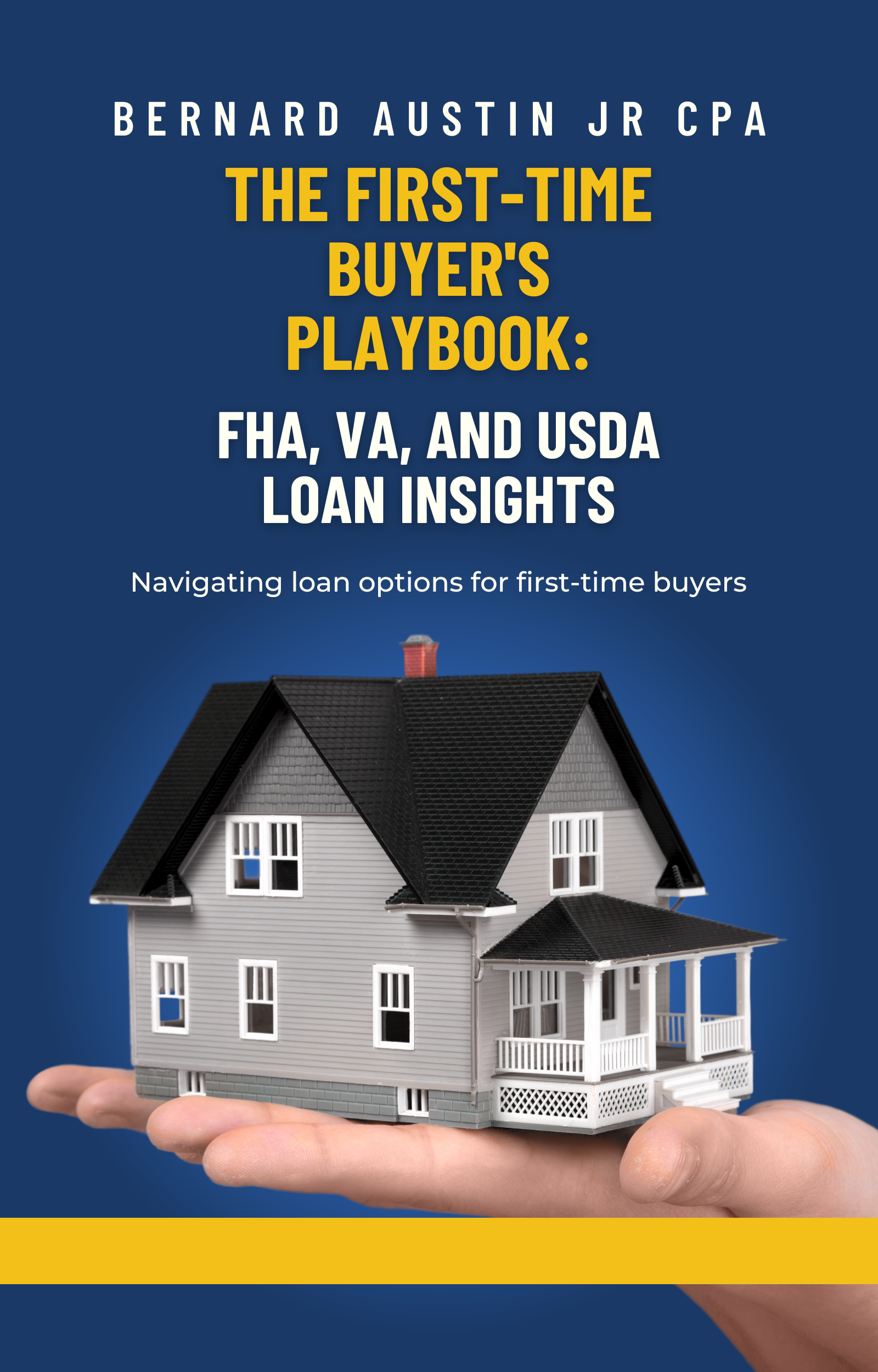
Free Guide:
First-Time Homebuyer Loans Explained
Download the free playbook that explains your options in plain English—written by a CPA and licensed Realtor.