

Understanding VA Home Loan Benefits and Eligibility for Texas Veterans
Understanding VA home loan benefits and eligibility for Texas veterans
For veterans who have served our country with honor, accessing homeownership opportunities should be straightforward and rewarding. The VA home loan program stands as one of the most valuable benefits available to military service members and veterans, offering a pathway to affordable housing without the typical barriers of conventional lending. Texas veterans, in particular, benefit from a robust support system that recognizes and honors their service through tangible financial advantages. Understanding how VA home loans work, who qualifies, and what benefits they offer is essential for any Texas veteran considering purchasing a home. This comprehensive guide explores the eligibility requirements, key advantages, and practical steps for leveraging this powerful benefit to achieve the dream of homeownership in the Lone Star State.
What makes VA home loans uniquely advantageous
VA home loans represent a fundamental shift in how lenders approach veterans’ mortgages compared to conventional financing options. The U.S. Department of Veterans Affairs guarantees a portion of the loan, which dramatically reduces the risk for lenders and translates directly into better terms for borrowers. This government backing eliminates several costs and requirements that typically burden home buyers.
Unlike conventional loans, VA mortgages require no down payment, meaning eligible veterans can purchase homes with zero out-of-pocket investment for the property itself. This benefit alone opens homeownership to thousands of Texas veterans who might otherwise struggle to accumulate a down payment. Additionally, VA loans typically feature lower interest rates than conventional mortgages, resulting in significant savings over the life of a 30-year loan. A quarter-point difference in interest rates can mean tens of thousands of dollars in savings.
Another critical advantage involves closing costs. VA regulations cap how much sellers can charge veterans for certain fees, and in many cases, sellers can pay these costs entirely. Conventional buyers typically shoulder these expenses themselves. The program also eliminates Private Mortgage Insurance (PMI), which conventional borrowers without substantial down payments must pay monthly. This requirement can add hundreds of dollars to monthly payments.
Texas veterans also benefit from the VA’s commitment to fair lending practices. The program includes protections against predatory lending and ensures that terms remain reasonable throughout the loan process. These advantages collectively create a financing environment that significantly favors veterans and their families.
Eligibility requirements for Texas veterans
Before taking advantage of VA home loan benefits, veterans must establish their eligibility through the Department of Veterans Affairs. The eligibility criteria vary slightly depending on when and how long someone served, but the program generally seeks to include all honorably discharged veterans.
Active-duty service members become eligible after at least 90 consecutive days of active service during wartime, or at least 181 days during peacetime. However, the timeframes differ significantly based on service dates. Those who served before September 8, 1980 may have different requirements than more recent veterans. National Guard and Reserve members can qualify if they meet minimum service requirements, typically 6 years of service.
The fundamental requirement is that the service member must have received a discharge characterized as honorable or under honorable conditions. Discharges marked as “other than honorable,” dishonorable, or bad conduct generally disqualify individuals, though some exceptions exist for those discharged due to service-connected disabilities.
Texas veterans need to obtain a Certificate of Eligibility (COE) to access their VA loan benefits. This document proves to lenders that the veteran meets VA requirements. Veterans can request a COE through several methods, including online through the VA’s eBenefits portal, by mail using form DD 1172, or by contacting the VA directly. Many lenders can obtain COEs electronically, streamlining the application process.
Once established as eligible, Texas veterans retain their eligibility for life, assuming they don’t lose it through specific circumstances. The loan can be used multiple times, though some restrictions apply regarding simultaneous usage. Understanding these foundational requirements ensures that veterans don’t miss opportunities to claim benefits they’ve earned through their service.
Loan terms, limits, and financial considerations
VA home loans in Texas operate within parameters established by federal guidelines, though some aspects vary based on individual circumstances and current market conditions. Understanding these parameters helps veterans make informed decisions about their borrowing capacity and financial planning.
The VA loan limit represents the maximum amount the VA will guarantee, though veterans aren’t prohibited from borrowing more. In Texas, as of 2024, the standard VA loan limit stands at $766,200 for most counties, though some high-cost areas have higher limits. Veterans with remaining entitlement can utilize their benefits for properties exceeding these limits, but they would need to cover the difference through a down payment or other financing.
Interest rates for VA loans typically range from 0.5 to 1 percent lower than conventional mortgages, though rates vary based on market conditions and individual credit profiles. Even small differences in rates compound significantly over 30 years. A veteran financing $300,000 over 30 years could save over $50,000 in interest with a half-point rate reduction.
Monthly payments must remain affordable relative to the borrower’s income. The VA uses a debt-to-income ratio to evaluate loan applications, typically allowing ratios up to 41% of gross monthly income, though this can occasionally stretch higher with strong compensating factors. This approach differs from conventional lending, which often applies stricter ratios.
| Loan feature | VA loan | Conventional loan |
|---|---|---|
| Down payment | 0% | 3-20% |
| Private mortgage insurance | Not required | Required if less than 20% down |
| Interest rates | Typically 0.5-1% lower | Market rate |
| Closing cost caps | Regulated by VA | Negotiable |
| Funding fee | Usually 2.3% (can be waived) | N/A |
The VA funding fee represents one aspect of VA loans that differs from conventional mortgages. This one-time fee, typically ranging from 1.4% to 3.6% depending on down payment and service history, is paid at closing. Disabled veterans rated by the VA may qualify for funding fee waivers, eliminating this cost entirely. Reserve and Guard members generally pay higher funding fees than active-duty veterans. While this fee might seem substantial, it typically gets rolled into the loan balance rather than paid upfront, and it remains far offset by other VA loan advantages.
The application process and working with VA-approved lenders
Successfully obtaining a VA home loan requires understanding the application process and selecting appropriate lenders. Texas offers numerous VA-approved lenders, including banks, credit unions, and mortgage companies specializing in veteran financing. Choosing the right lender significantly impacts the borrowing experience and final loan terms.
The application process begins with pre-qualification, where prospective borrowers provide financial information to understand their borrowing capacity. Pre-qualification typically requires income documentation, credit authorization, and employment verification. During this phase, lenders assess debt-to-income ratios and determine preliminary loan amounts. This step costs nothing and carries no obligation, making it an excellent starting point for any veteran considering homeownership.
Once satisfied with pre-qualification results, veterans move to formal loan application. This stage requires extensive documentation including recent tax returns, W2 forms, recent pay stubs, bank statements, and a Certificate of Eligibility. The lender orders an appraisal to determine the property’s value and conducts a thorough credit review. Processing typically takes 3-5 business days at efficient lenders, though some may require additional time.
After processing, the loan enters underwriting, where a trained underwriter reviews all documents for compliance with VA guidelines and lending standards. The underwriter may request additional information or clarification on specific items. This stage typically lasts 3-5 days. Once cleared for underwriting without conditions, the file moves toward final approval.
The final walkthrough and closing stages complete the process. Before closing, veterans should conduct a final walkthrough to confirm the property condition and verify that repairs requested during inspection were completed. Closing involves signing documents, wiring funds, and officially transferring property ownership. The VA doesn’t require a specific lender, so veterans should compare rates and terms from multiple lenders before committing. Small differences in rates and fees can add up significantly over the loan term.
Throughout this process, Texas veterans benefit from VA protections against predatory lending and discrimination. The VA actively monitors lenders for compliance with regulations, providing oversight that conventional lending largely lacks. This framework ensures that veterans receive fair treatment and aren’t exploited during their homeownership journey.
Maximizing benefits and avoiding common pitfalls
Understanding VA home loan benefits extends beyond basic eligibility and application procedures. Texas veterans can maximize these powerful benefits by making strategic decisions and avoiding common mistakes that undermine their advantages. Proper planning transforms the VA loan from merely adequate to transformational in building home equity and financial security.
One significant consideration involves the timing of loan usage. Veterans don’t need to use their full entitlement immediately. A veteran with significant entitlement can use it for a first property, then preserve remaining entitlement for future purchases. This flexibility allows veterans to access benefits across multiple properties throughout their lives, adapting to changing circumstances. Some veterans strategically use VA loans for investment properties, leveraging the zero-down advantage to build rental income streams.
Credit scores, while not discussed extensively in VA guidelines, remain crucial to loan approval and rate qualification. Veterans with lower credit scores may still qualify but will face higher interest rates. Before applying, veterans should review credit reports for errors and consider credit improvement strategies if necessary. Paying down existing debts and establishing consistent payment histories can meaningfully improve scores and loan terms.
Common mistakes to avoid include:
- Making large purchases on credit before loan closing, which can disqualify applications
- Changing employment shortly before or during the application process
- Co-signing loans for friends or family members, which increases debt-to-income ratios
- Failing to disclose existing debts or liabilities
- Paying cash for items better financed through the VA loan
Texas veterans should also understand that VA loans can be assumed by future buyers, potentially making the property more attractive to purchasers when selling. This benefit can justify slightly higher selling prices and represents additional value in the property itself.
Finally, veterans should recognize that VA loan benefits aren’t forfeited after first use. A veteran who used their entitlement for a previous home purchase can often restore it after paying off that loan. This restoration allows multiple uses throughout a lifetime, though simultaneous usage remains limited. Understanding this flexibility helps veterans make long-term financial plans incorporating multiple property purchases.
Summary and final considerations
VA home loans represent one of the most valuable benefits available to Texas veterans, offering tangible advantages that fundamentally transform homeownership accessibility and affordability. From zero-down-payment requirements to reduced interest rates and eliminated private mortgage insurance, these benefits collectively create an environment where veterans can build wealth through real estate without the financial barriers conventional borrowers face. The program’s evolution over decades reflects genuine commitment to supporting those who served, translating national gratitude into practical financial advantages.
Eligibility requirements, while specific, remain straightforward for most honorably discharged veterans who served the minimum required periods. The application process, though requiring documentation and patience, follows familiar lending protocols adapted specifically to veteran circumstances and protections. By understanding loan limits, funding fees, and debt-to-income considerations, veterans can realistically assess their borrowing capacity and plan accordingly.
The path to homeownership through VA financing requires intentional decision-making and strategic planning, but the rewards prove substantial. Texas veterans who thoroughly understand their benefits, work with qualified lenders, avoid common pitfalls, and maintain financial discipline can leverage this program to achieve homeownership, build generational wealth, and secure their families’ financial futures. The VA home loan program stands as a enduring tribute to military service, offering veterans the opportunity to invest in their futures with terms that reflect genuine national appreciation for their sacrifice and commitment.
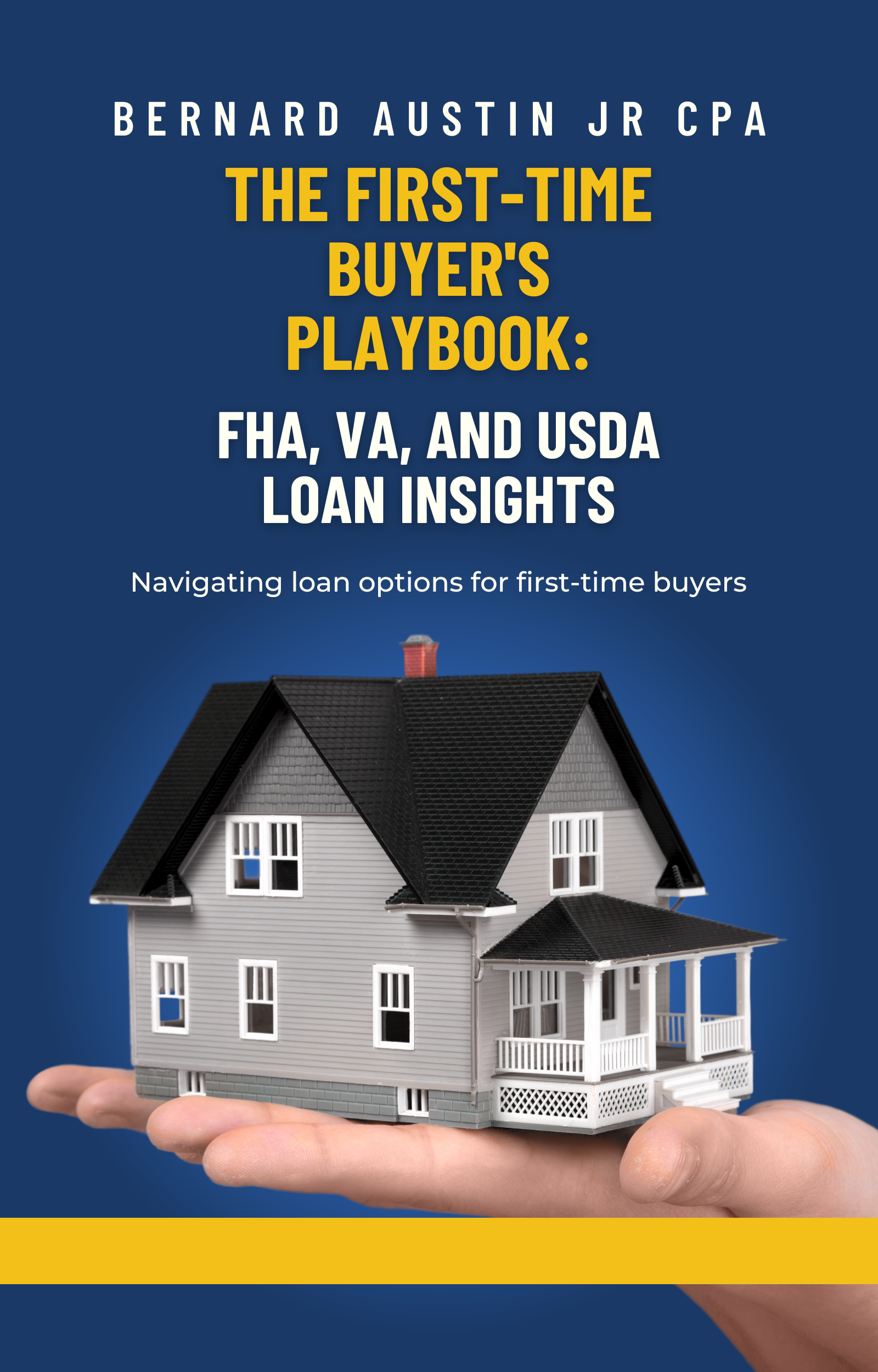
Free Guide:
First-Time Homebuyer Loans Explained
Download the free playbook that explains your options in plain English—written by a CPA and licensed Realtor.