
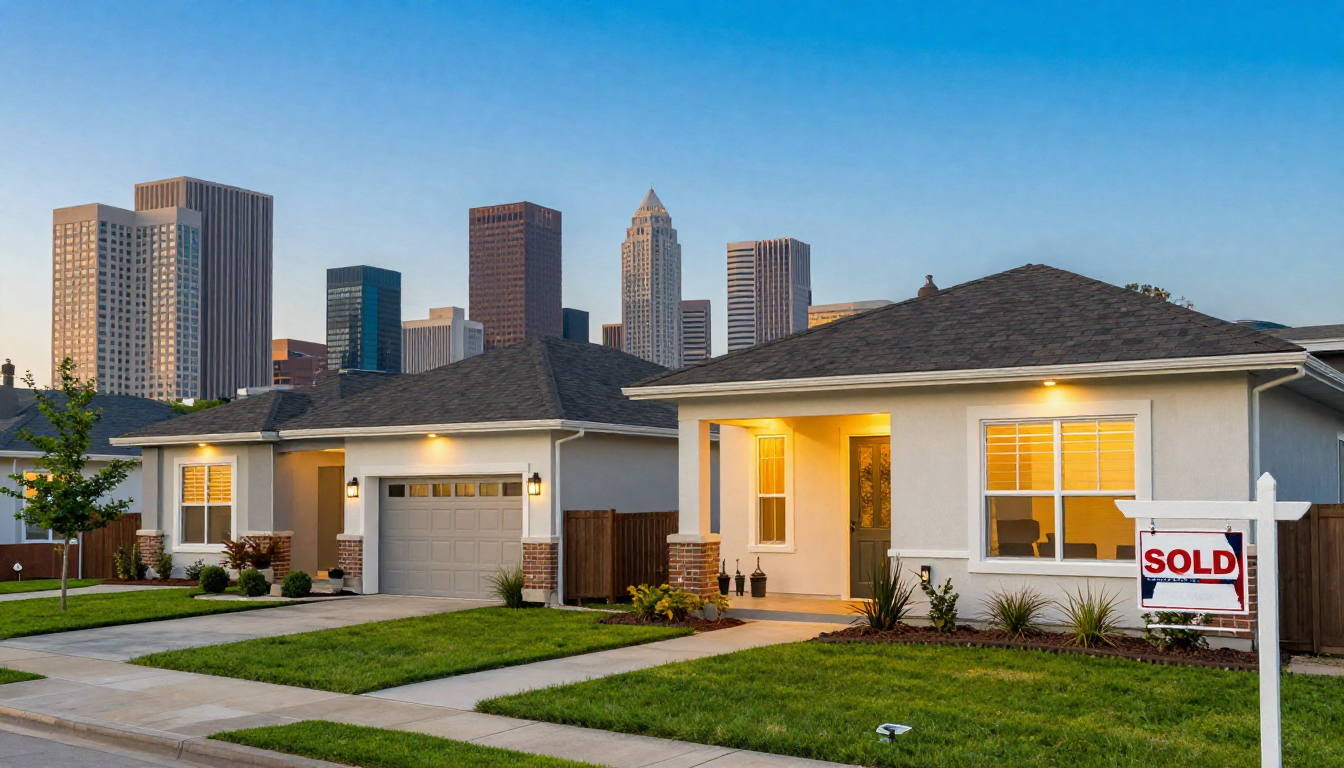
Essential Steps for First Time Home Buyers in Houston
Essential steps for first time home buyers in Houston
Introduction
Buying your first home in Houston represents one of the most significant financial decisions you’ll make in your lifetime. The Houston real estate market offers unique opportunities for first-time buyers, with diverse neighborhoods, competitive pricing compared to other major U.S. cities, and a strong economy. However, navigating the home buying process can feel overwhelming without proper guidance. This article provides a comprehensive roadmap to help you understand the essential steps needed to successfully purchase your first home in Houston. From assessing your financial readiness to closing on your new property, we’ll walk you through each crucial phase of the journey. Whether you’re drawn to the vibrant urban core, the suburban comfort of areas like Sugar Land, or the emerging neighborhoods in the northwest, understanding these steps will empower you to make informed decisions and avoid costly mistakes.
Getting your finances in order
Before you start browsing listings or scheduling property tours, you need to establish a solid financial foundation. This initial phase determines how much you can afford to spend and what type of financing options will be available to you. Your financial readiness is the cornerstone of a successful home purchase in Houston’s competitive market.
Begin by checking your credit score, which directly impacts your ability to secure a mortgage and the interest rates you’ll receive. Most lenders require a credit score of at least 620 for FHA loans and 640 for conventional loans, though scores above 740 will qualify you for the best rates. If your score is lower than desired, spend three to six months making on-time payments, paying down existing debt, and correcting any errors on your credit report.
Next, calculate your down payment savings. While many first-time buyers believe they need 20 percent down, Houston offers several alternatives. FHA loans require as little as 3.5 percent down, and many conventional loans accept 5-10 percent. The median home price in Houston hovers around $320,000 to $380,000, meaning a 10 percent down payment could be $32,000 to $38,000. Several first-time buyer programs in Houston provide down payment assistance, including the Community Development Block Grant Program and various local nonprofits.
You should also get pre-approved for a mortgage before making any offers. Pre-approval involves submitting financial documents to a lender who will assess your ability to borrow. This process typically takes 3-5 business days and provides a written commitment for a specific loan amount. Pre-approval not only shows sellers you’re serious but also prevents you from falling in love with homes outside your budget.
Key financial checkpoints:
- Review credit report and correct errors
- Work on improving credit score if needed
- Determine down payment amount and savings timeline
- Research first-time buyer assistance programs specific to Houston
- Obtain mortgage pre-approval letter
- Calculate total affordable monthly payment including taxes and insurance
Understanding the Houston market and finding the right property
Houston’s real estate market is vast and diverse, with distinct neighborhoods offering different lifestyles, price points, and investment potential. Understanding the market dynamics will help you make a strategic investment rather than an emotional one. The city’s lack of zoning regulations means you might find commercial properties next to residential areas, so neighborhood research is particularly important.
Start by identifying which Houston area aligns with your lifestyle and commute requirements. The Energy Corridor near Highway 290 hosts many corporate offices and offers convenient access to downtown. The Heights offers walkable urban living with trendy restaurants and shops. Midtown attracts young professionals with its nightlife and cultural venues. Sugar Land and The Woodlands provide suburban family-oriented environments with excellent schools. East End neighborhoods offer more affordable entry points and cultural diversity. Each area has different appreciation potential, rental markets, and demographic trends.
Research neighborhood metrics beyond price. Look at school ratings if you have or plan to have children, crime statistics from the Houston Police Department, future development plans, and average days on market. A home priced lower than comparable properties might indicate neighborhood decline or proximity to undesirable features. Conversely, properties appreciating rapidly might signal a neighborhood on the rise.
Visit neighborhoods at different times of day and seasons. Drive through in the morning during rush hour, on a weekend afternoon, and in the evening. This reveals the true character and activity levels. Talk to current residents about their experiences. Attend open houses not just to see homes but to observe the neighborhood and speak with neighbors.
When you’ve identified target neighborhoods, work with a local real estate agent who understands Houston’s market. A good agent provides current data on comparable sales, knows about upcoming developments, and understands the negotiation dynamics in specific areas. In Houston’s market, having local expertise can mean the difference between a good deal and overpaying by tens of thousands of dollars.
Market research considerations:
| Houston area | Best for | Typical price range | Key characteristics |
|---|---|---|---|
| Energy Corridor | Professionals | $280,000 – $450,000 | Corporate hub, newer construction, shopping |
| The Heights | Urban dwellers | $350,000 – $550,000 | Walkable, restaurants, culture, older homes |
| Sugar Land | Families | $300,000 – $500,000 | Great schools, planned communities, safe |
| The Woodlands | Families | $280,000 – $600,000 | Master-planned, upscale, excellent schools |
| East End | Value seekers | $150,000 – $300,000 | Diverse, affordable, revitalizing |
| Midtown | Young professionals | $320,000 – $480,000 | Urban amenities, nightlife, rentals |
Use this comparative analysis to narrow your search and focus your home hunting efforts on areas where you’ll find the best value and fit for your lifestyle.
Making an offer and navigating inspections
Once you’ve found a property you want to purchase, the next phase involves making a competitive offer while protecting your interests. In Houston’s market, which can shift between buyer-friendly and seller-favorable conditions, understanding offer strategy is crucial.
Your real estate agent should provide a comparative market analysis showing recent sales of similar properties in the neighborhood. Use this data to make an offer within 5-10 percent of asking price, depending on market conditions and property condition. Include contingencies that protect you: a financing contingency ensures the deal falls through if you can’t secure a mortgage, an inspection contingency allows you to renegotiate or walk away if major issues are discovered, and an appraisal contingency protects you if the property appraises for less than the purchase price.
Houston doesn’t require a real estate attorney for transactions, but many experienced first-time buyers hire one anyway for $300-500 to review contracts and protect their interests. Texas real estate contracts can be complex, and professional review prevents costly errors.
Once your offer is accepted, you’ll enter the due diligence period, typically 7-10 days for inspections. Hire a qualified home inspector to thoroughly evaluate the property. Houston’s climate creates specific concerns: roof deterioration from heat and UV exposure, foundation settling due to clay soil, mold and moisture issues from humidity, and AC system strain. A thorough inspection costs $400-600 but can reveal issues costing thousands to fix.
If significant problems are discovered, you can request repairs, ask for credits to handle repairs yourself, or renegotiate the price. Most sellers in Houston prefer price credits to avoid repair liability. Document everything in writing. Houston’s court system has seen numerous disputes where verbal agreements weren’t honored.
Additionally, get a home appraisal through your lender. The appraisal ensures the property’s market value supports the loan amount. If it appraises low, you’ll need to either renegotiate the price, increase your down payment, or walk away without penalty if you have an appraisal contingency.
Due diligence checklist:
- Hire qualified home inspector experienced with Houston properties
- Request inspection reports be provided within 24-48 hours
- Attend inspection and ask questions about findings
- Order home appraisal through lender
- Research title insurance and order title search
- Check for HOA documents and review all restrictions
- Verify homeowner’s insurance quote
- Review HOA financials if applicable
Finalizing your mortgage and preparing to close
As your purchase moves toward closing, you’ll work with your lender to finalize mortgage details and submit remaining documentation. This phase requires attention to detail because lenders often request additional information, and delays here can push back your closing date.
Your lender will order an appraisal and verify your employment and financial situation one final time. Have all requested documents ready immediately: recent pay stubs, tax returns, bank statements, and explanations for any large deposits or credit inquiries. Avoid major purchases, job changes, or taking on new debt during this period, as these can jeopardize your loan approval.
Lock in your interest rate when you’re confident about your timeline. Interest rates fluctuate daily, and a rate lock protects you from increases while your loan is processing. Most rate locks last 30-45 days. If rates drop significantly, some lenders allow one float-down, but verify this in your rate lock agreement.
Before closing, conduct a final walk-through of the property to confirm agreed-upon repairs are completed and the property is in the expected condition. This is your last chance to identify issues before you own the home.
Review your Closing Disclosure document at least three business days before closing. This document outlines your final loan terms, monthly payments, closing costs, and cash needed at closing. Verify all numbers match your expectations. Common closing costs in Houston range from 2-5 percent of the purchase price, including origination fees, title insurance, survey costs, and property taxes.
Arrange a wire transfer for your down payment and closing costs, but never wire money until you’ve verified the wire instructions directly with your title company or escrow officer. Verify the amount, account number, and routing number through a phone call, not email, as wire fraud targeting home buyers has increased significantly.
At closing, you’ll sign loan documents including the promissory note and mortgage/deed of trust, which legally obligates you to repay the loan and gives the lender a claim on the property if you default. You’ll also sign the deed conveying ownership to you and receive the keys.
Pre-closing tasks timeline:
- 30 days before closing: Submit all requested documentation to lender
- 21 days before closing: Lock in interest rate
- 10 days before closing: Conduct final walk-through
- 3 days before closing: Review Closing Disclosure
- 1 day before closing: Confirm wire instructions with title company
- Closing day: Arrive 15 minutes early with photo ID and proof of residence
After closing, the title company will record your deed with the Harris County (or applicable county) Clerk’s Office, officially making you the property owner. Keep copies of all closing documents in a safe place, as you’ll need them for future refinances, insurance claims, or property sales.
Conclusion
Purchasing your first home in Houston is an achievable goal when you approach it systematically and with proper preparation. By establishing your financial foundation, understanding the local market, making informed offers, conducting thorough inspections, and carefully navigating the mortgage process, you significantly increase your chances of a successful purchase at a fair price. Remember that the Houston market offers opportunities across numerous neighborhoods and price points, so taking time to find the right property in the right location is worth the effort. First-time buyers often regret rushing into purchases without proper research or skipping contingencies to make offers more competitive. Instead, remain patient and disciplined throughout the process. Work with experienced professionals, including real estate agents, home inspectors, and potentially attorneys, whose expertise will pay for itself many times over. The home buying process requires attention to detail in financial matters, market research, contract negotiation, and closing procedures, but following these essential steps will guide you toward homeownership in Houston. Your new home represents not just a significant financial investment but also stability and a foundation for your future.

Free Guide:
First-Time Homebuyer Loans Explained
Download the free playbook that explains your options in plain English—written by a CPA and licensed Realtor.