
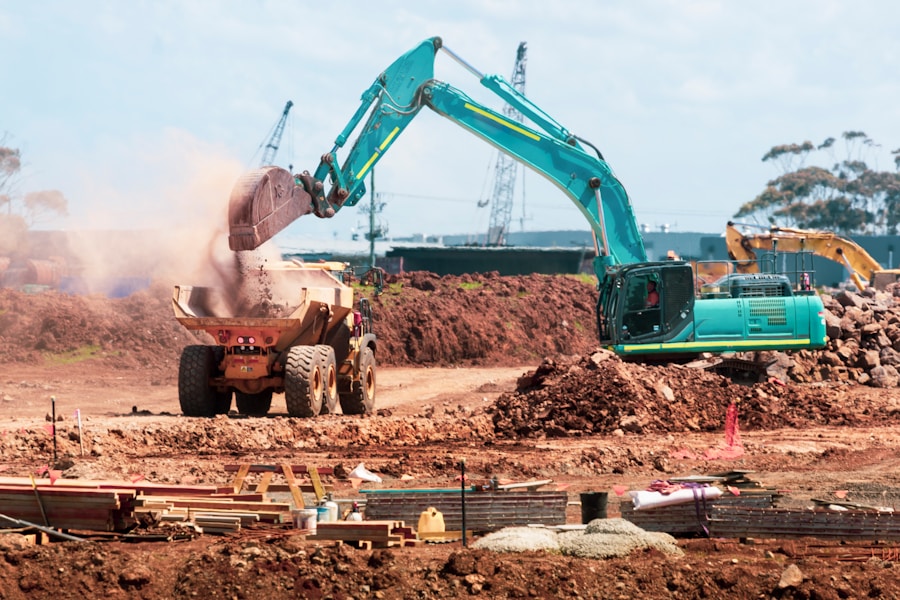
The Pros and Cons of Buying a New Construction Home: What You Need to Consider
This article examines the advantages and disadvantages of purchasing a newly constructed residential property, offering considerations for prospective buyers.
New construction homes represent a significant financial undertaking and a substantial life decision. Understanding the inherent trade-offs is crucial for making an informed choice that aligns with your financial circumstances, lifestyle, and long-term objectives. This guide aims to illuminate the various facets of opting for a “blank canvas” versus a property with a past.
The market for new construction homes is influenced by a confluence of factors. Economic conditions, interest rates, and the availability of land and labor all play a role. Builders typically operate within specific timelines and budgets, which can impact the final product and pricing. Buyers, on the other hand, are often drawn to the allure of customization, modern amenities, and the absence of immediate repair needs. However, these come with their own set of considerations.
Navigating the landscape of new construction requires diligence. It is not simply a matter of selecting a floor plan and color palette. A thorough examination of the builder’s reputation, the construction process, and the associated contracts is essential. Furthermore, understanding market trends and the potential for future appreciation or depreciation is a vital component of the decision-making matrix.
Potential Advantages of New Construction
Choosing a brand-new home offers a slate unmarred by the history of previous occupants. This can be a compelling proposition for many individuals and families.
Modern Design and Features
New construction homes are typically built to current building codes and incorporate contemporary design trends. This often translates to more open floor plans, larger windows for natural light, and efficient layouts designed for modern living. You are also likely to find updated features such as energy-efficient appliances, smart home technology integration, and modern plumbing and electrical systems. This can lead to potentially lower utility bills and reduced maintenance costs in the early years of ownership.
Energy Efficiency
Builders are increasingly emphasizing energy-efficient construction. This can include superior insulation, high-performance windows, and the use of energy-saving appliances. Government incentives and stricter building regulations often drive these improvements. The long-term financial benefits of reduced energy consumption can be substantial.
Latest Technologies and Appliances
New homes often come equipped with the latest in home technology and appliances. This can range from integrated audio-visual systems and smart thermostats to induction cooktops and high-efficiency HVAC systems. While an initial investment, these features can enhance convenience and comfort.
Reduced Immediate Maintenance
One of the most significant draws of new construction is the absence of immediate repair needs. Unlike an older home, where the roof might be nearing the end of its lifespan or the plumbing system could be antiquated, a new home is typically free from such pressing concerns. This can provide peace of mind and allow you to allocate your finances to other priorities.
The “New Home Smell”
While not a quantifiable advantage, the intangible appeal of a new home, often referred to as the “new home smell,” speaks to the sense of freshness and possibility. It signifies a space that is untouched and ready for your personal imprint.
Customization and Personalization
Many new construction projects offer buyers the opportunity to select various finishes, fixtures, and even structural modifications. This allows you to tailor the home to your specific tastes and needs.
Design Choices
From flooring and cabinetry to paint colors and countertop materials, you can often have a say in the aesthetic of your new home. This empowers you to create a space that reflects your individual style.
Floor Plan Modifications
In some cases, builders may allow for minor adjustments to the floor plan, such as moving interior walls or adding a window. This can be particularly beneficial for optimizing space or accommodating specific lifestyle requirements.
Tailoring to Family Needs
A growing family might opt for an extra bedroom, while a couple nearing retirement might prioritize a single-level living space. New construction can offer the flexibility to adapt the home to these evolving needs.
Builder Warranties
New construction homes typically come with express warranties that cover various aspects of the construction and systems. These warranties offer a layer of protection against defects that may arise after you move in.
Structural Warranty
This warranty usually covers the foundation, framing, and other major structural components of the house. It provides assurance against unforeseen settlement or integrity issues.
Systems Warranty
Warranties often extend to the home’s mechanical systems, including plumbing, electrical, and HVAC. This can cover repairs or replacements due to manufacturer defects or faulty installation.
Peace of Mind
Understanding that the builder stands behind their work provides a significant degree of comfort. It shifts some of the financial risk of unexpected repairs from the buyer to the builder during the warranty period.
Potential Disadvantages of New Construction
Despite the appealing aspects of new construction, there are also notable drawbacks that warrant careful consideration.
Higher Upfront Costs
Generally, new construction homes command a higher price per square foot compared to comparable resale homes in the same area. This is due to factors such as land acquisition costs, labor, materials, and the builder’s profit margin.
Premium for “Newness”
You are paying a premium for the fact that the home is new, untouched, and built to current standards. This premium may not always translate into an equivalent increase in resale value in the short to medium term.
Potential for Unforeseen Expenses
While warranties provide a safety net, there can still be out-of-pocket expenses for items not covered by the warranty or for issues that arise after the warranty expires. These can include minor cosmetic fixes or specialized repairs.
The “Hidden Costs” of Customization
While customization is a significant advantage, it can also inflate the final price significantly. Upgrades chosen during the design phase can add thousands, or even tens of thousands, to the overall cost of the home. It is vital to scrutinize the cost breakdown for every upgrade.
Limited Negotiation Power
In many new construction scenarios, particularly in hot markets, buyers may have less leverage to negotiate the price or terms of the sale compared to purchasing a resale home. Builders often have set pricing structures and minimal room for haggling.
Standardized Contracts
Builder contracts are often drafted to favor the builder and may contain clauses that limit your recourse or impose penalties. Careful legal review is paramount.
“As-Is” Clauses
While not always present, some contracts might include aspects that resemble an “as-is” sale for certain components, even in a new build, if it’s part of a larger development project or has specific builder policies.
The Builder’s Timeline
Builders are working on a schedule, and delays can occur due to weather, supply chain issues, or labor shortages. While you are purchasing a future home, the builder controls the pace of construction.
The “Settling In” Period and Potential Issues
Even the most meticulously built new home will undergo a “settling in” period. This can lead to minor issues that require attention over the first year or two of occupancy.
Foundation Settling
As the ground around the foundation compacts, minor cracks in drywall or foundation can appear. This is often superficial but should be monitored.
Material Expansion and Contraction
Temperature and humidity fluctuations can cause materials like wood to expand and contract, leading to minor gaps or sticking doors and windows.
The Punch List
It is common practice to create a “punch list” of minor defects or incomplete items with the builder before closing. However, some issues may not become apparent until after you have moved in and lived in the home for a while.
Location and Surrounding Development
New construction homes are often located in developing areas on the outskirts of established communities. This can mean longer commutes and less mature landscaping.
Master-Planned Communities
Many new homes are built in master-planned communities. While these can offer amenities like parks and community centers, they can also feel homogeneous and lack the unique character of older neighborhoods.
Ongoing Construction
You may find yourself living in a neighborhood where construction is ongoing for many months or even years. This can lead to noise, dust, and traffic disruptions.
Infrastructure Lag
Sometimes, the infrastructure to support new developments, such as roads, schools, and public transportation, may lag behind the pace of home construction. This can impact immediate convenience.
What to Consider When Buying New Construction
Embarking on the journey of buying a new construction home requires a proactive and informed approach. It’s about more than just picking colors; it’s about understanding the entire process and the implications.
Research the Builder’s Reputation
The builder is your primary partner in this endeavor. Their track record is a crucial indicator of the quality you can expect.
Online Reviews and Ratings
Look for reviews on independent platforms, local real estate forums, and the Better Business Bureau. Pay attention to patterns in complaints and how the builder addresses them.
Visit Existing Developments
Drive through other communities built by the same builder. Observe the quality of construction, how well the properties are maintained, and the overall aesthetic.
Talk to Existing Homeowners
If possible, speak with residents of existing developments. Their firsthand experiences can offer invaluable insights into the builder’s responsiveness and the long-term quality of their homes.
Thoroughly Review the Contract
The purchase agreement for a new construction home is a complex document. It’s advisable to have it reviewed by a real estate attorney experienced in new construction.
Understanding Contingencies
Familiarize yourself with any contingencies, such as financing or appraisal clauses, and ensure they are clearly defined.
Warranty Details
Pay close attention to the specifics of the builder’s warranty, including what is covered, for how long, and the process for making a claim.
Seller Disclosures (Builder’s Version)
While not traditional seller disclosures, builders provide documents outlining warranties, building codes, and potential limitations. Ensure you understand these fully.
Budgeting for Upgrades and Extras
The base price of a new construction home often does not include many of the finishes and features that make it feel truly yours.
The Cost of Upgrades
Be realistic about the cost of upgrades. Builders often mark up the retail price of optional features. Get a detailed list of upgrade costs before you commit.
Closing Costs
Factor in standard closing costs, which can include title insurance, appraisals, lender fees, and property taxes.
Seemingly Small Expenses
Don’t forget the cost of window treatments, landscaping beyond what’s included, and potential upgrades to closets or basic appliances if they aren’t to your liking. These can add up quickly.
Inspections Are Still Crucial
Even though the home is new, a professional inspection is highly recommended. Builders may have their own inspection processes, but an independent one provides an unbiased assessment.
Pre-Drywall Inspection
This inspection occurs before the drywall is installed, allowing you to see the internal workings of the home, such as plumbing, electrical wiring, and framing.
Final Walk-Through Inspection
Conduct this inspection just before closing to identify any defects or incomplete items that need to be addressed by the builder.
Independent Perspective
An inspector’s trained eye can identify potential issues that you might overlook. They are a crucial layer of defense against future problems.
The Role of the Real Estate Agent
A knowledgeable real estate agent experienced in new construction can be an invaluable asset. They can guide you through the process and advocate on your behalf.
Understanding Builder Incentives
Agents are often aware of builder incentives, such as closing cost assistance or design center credits, which can help reduce your overall expenses.
Navigating the Builder’s Sales Team
The builder’s sales representatives work for the builder. An independent agent represents you and your best interests.
Contractual Expertise
An agent can help you understand the nuances of builder contracts and ensure that your rights are protected.
Negotiation Strategies
While negotiation may be limited, an experienced agent can still employ strategies to potentially secure better terms or inclusions.
Timing and Market Conditions
An agent can advise on the optimal time to buy and how current market conditions might affect your negotiating power.
Identifying Leverage Points
Even in a seller’s market, there may be opportunities for negotiation on specific items or terms.
Financing Your New Construction Home
Securing financing for a new construction home may involve a slightly different process than for a resale property.
Builder’s Preferred Lenders
Builders often partner with specific lenders and may offer incentives for using their preferred financing. However, it is always wise to shop around for the best mortgage rates and terms.
Understanding Construction Loans
If you are buying a home that is not yet built, you may require a construction-to-permanent loan, which covers both the construction phase and the eventual mortgage.
Interest Rates and Fees
Be diligent in comparing interest rates, loan origination fees, and other associated costs from different lenders.
Appraisal Process
The appraisal for a new construction home typically occurs once the home is completed. This confirms the market value for the lender.
Comparable Sales Data
Appraisers will look at comparable new construction sales in the area to determine the home’s value.
Potential for Discrepancies
Occasionally, the appraisal may come in lower than the agreed-upon purchase price. This can lead to renegotiations or the need for additional funds.
The Long-Term Outlook for New Construction
The long-term value of a new construction home is influenced by various factors, including the builder’s quality, the desirability of the location, and broader economic trends.
Market Trends and Appreciation
While new homes are often built to high standards, their appreciation rate compared to older homes can vary. Location remains a primary driver of real estate value.
Neighborhood Development
The surrounding community’s growth and development, including amenities, schools, and infrastructure, will significantly impact long-term appreciation.
Resale Value of Unique Features
Homes with highly customized or trendy features may not appeal to as broad a range of future buyers, potentially affecting resale value.
Maintenance and Durability Over Time
While initially maintenance-free, new homes will eventually require upkeep. The quality of the original construction will influence the extent and cost of future maintenance.
Understanding Material Lifespans
Different building materials have varying lifespans. Understanding the expected durability of the components used in your home is important.
The “Newness” Factor Fades
As the home ages, it will naturally lose some of its “new” appeal. Its inherent quality and the care it receives will determine its long-term attractiveness and value.
In conclusion, the decision to purchase a new construction home is multifaceted. By thoroughly understanding the potential advantages and disadvantages, conducting diligent research, and seeking professional guidance, buyers can make a choice that best suits their individual needs and financial objectives. The “blank canvas” offers extensive creative potential, but like any significant investment, it demands careful consideration and strategic planning.
FAQs
1. What are the advantages of buying a new construction home?
New construction homes often come with modern amenities, energy-efficient features, and the ability to customize certain aspects of the home. They also typically require less maintenance and come with warranties for major systems and appliances.
2. What are the disadvantages of buying a new construction home?
New construction homes can be more expensive than existing homes, and they may have limited landscaping and mature trees. Additionally, there may be delays in the construction process, and the neighborhood may still be under development.
3. What should I consider before buying a new construction home?
Before buying a new construction home, it’s important to consider the location, the reputation of the builder, the quality of construction, the timeline for completion, and any potential future development in the area.
4. Are there any potential financial benefits to buying a new construction home?
New construction homes may come with lower maintenance costs and energy-efficient features, which can result in long-term savings. Additionally, some builders offer incentives or discounts to attract buyers.
5. What are some potential challenges of buying a new construction home?
Challenges of buying a new construction home may include unexpected construction delays, the need to make decisions on design and finishes, and the possibility of changes in the neighborhood or community as it continues to develop.

Free Guide:
First-Time Homebuyer Loans Explained
Download the free playbook that explains your options in plain English—written by a CPA and licensed Realtor.