
Effective Strategies for Selling Your House in Houston Successfully
Effective Strategies for Selling Your House in Houston Successfully
Introduction
Selling a house in Houston presents unique opportunities and challenges that require a strategic approach tailored to the local real estate market. The Houston housing market is dynamic and competitive, with distinct neighborhoods, price points, and buyer demographics. Whether you’re relocating for work, downsizing, or looking to capitalize on rising property values, understanding how to effectively market and sell your home is crucial for achieving the best possible outcome. This article explores proven strategies that will help you navigate the complexities of selling your Houston property, from preparing your home for showings to negotiating with potential buyers. By implementing these evidence-based techniques, you can significantly increase your chances of a quick sale at the optimal price point.
Understanding the Houston real estate market
The Houston real estate market operates with its own set of dynamics that differ from other major metropolitan areas across the United States. Before listing your property, it’s essential to conduct thorough market research to understand current conditions, price trends, and buyer preferences in your specific area. Houston’s market is characterized by rapid growth, diverse neighborhoods, and varying property values depending on location, amenities, and school district quality.
Market analysis should begin with examining recent comparable sales in your neighborhood. These comparable properties, often referred to as “comps,” provide critical benchmarks for pricing your home competitively. Look at homes that have sold within the last 30 to 90 days, similar in size, condition, and location to yours. Houston’s neighborhoods can vary dramatically, so it’s important to focus on homes in your specific area rather than broader city-wide averages.
Several factors currently influence the Houston housing market:
- Population growth and migration patterns from other states
- Job market strength in energy, technology, and healthcare sectors
- Interest rates and mortgage availability
- Seasonal fluctuations in buyer activity
- School district reputation and ranking
- Proximity to employment centers and major highways
- Local property tax rates and homeowner association fees
Understanding these market drivers helps you position your property strategically. For instance, if Houston’s employment sector is experiencing growth, emphasize proximity to job centers in your marketing materials. If interest rates are favorable, highlight the value proposition and monthly payment estimates. The timing of your sale matters significantly. Spring and early summer typically see increased buyer activity, while winter months may offer less competition from other sellers.
Working with a knowledgeable local real estate agent who has access to Multiple Listing Service (MLS) data provides invaluable insights into market conditions, absorption rates, and days on market for comparable properties. This professional guidance ensures your pricing strategy aligns with realistic market expectations rather than emotional attachment to your property.
Preparing your home for maximum appeal
The presentation of your home significantly impacts buyer perception and final sale price. First impressions matter enormously, and research shows that buyers often make initial decisions within seconds of viewing a property’s exterior. Preparing your home involves both strategic improvements and careful attention to aesthetics.
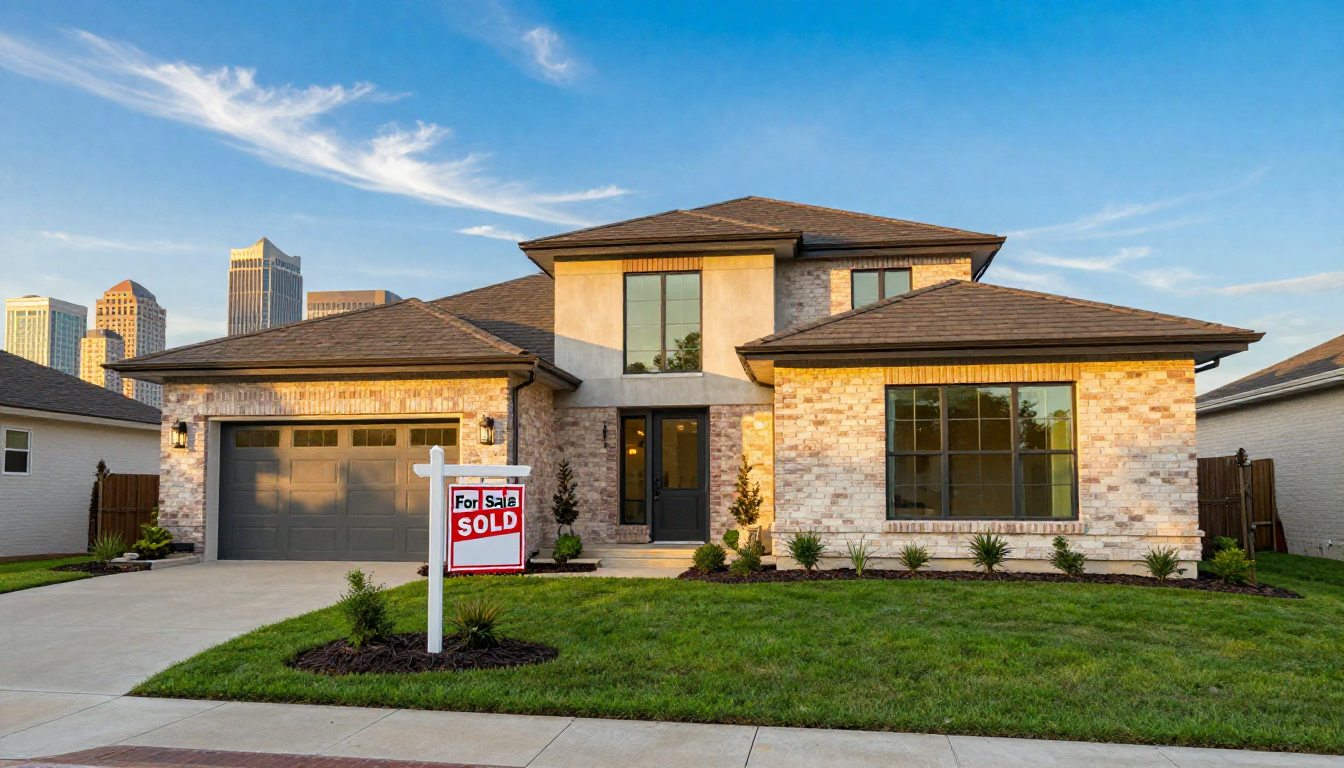
Curb appeal is the foundation of successful home selling. The exterior of your property is what buyers see first, and this visual impact often determines whether they’ll even enter your home. Start with landscaping improvements that require relatively modest investment. Trim overgrown shrubs and trees, remove dead plants, and add fresh mulch to garden beds. A well-maintained lawn significantly enhances property value, so ensure the grass is healthy and neatly mowed. Paint or stain the front door, refresh house numbers, and ensure all exterior lighting is functional and clean.
Inside your home, focus on strategic improvements that deliver the strongest return on investment. While major renovations can be expensive, targeted updates often yield better results:
| Improvement Area | Estimated Cost | Return on Investment | Priority Level |
|---|---|---|---|
| Kitchen updates (paint, hardware, appliances) | 3,000-15,000 | 60-80% | High |
| Bathroom renovations (fixtures, tile) | 5,000-20,000 | 50-70% | High |
| Fresh interior paint | 1,500-5,000 | 80-100% | High |
| Flooring replacement | 3,000-10,000 | 50-70% | Medium |
| Landscaping improvements | 1,000-5,000 | 75-100% | High |
| HVAC system replacement | 5,000-10,000 | 40-50% | Medium |
Decluttering and staging your home creates an environment where buyers can envision themselves living. Remove personal items, family photos, and excessive furniture that makes rooms feel cramped. Neutral color palettes appeal to a broader range of buyers than highly personal design choices. Deep cleaning is non-negotiable; pay special attention to kitchens, bathrooms, and flooring. Hire professional cleaners if necessary, as the investment pays dividends in buyer perception.
Lighting plays a crucial role in home presentation. Ensure all spaces are well-lit during showings by opening curtains and turning on interior lights. In Houston’s bright climate, strategic use of natural light highlights spacious, clean rooms. Address any obvious maintenance issues before listing: repair leaky faucets, patch drywall holes, and fix squeaky doors. These minor issues create negative impressions and raise buyer concerns about overall home condition.
Strategic pricing and marketing your property
Pricing your home correctly is perhaps the most critical factor in successful selling. Overpricing leads to extended market time, reduced buyer interest, and eventual price reductions that damage your negotiating position. Underpricing leaves money on the table and fails to maximize your return. Strategic pricing requires balancing current market conditions with property-specific characteristics.
Comparative market analysis provides the foundation for your pricing decision. This analysis examines recent sales of similar properties, current active listings, and properties that failed to sell. In Houston, where neighborhoods can be quite distinct, ensure comparables are truly comparable in terms of location, size, condition, and amenities. A property in an excellent school district may command significantly higher prices than similar homes in less-desirable areas.
Consider implementing strategic pricing tactics that appeal to buyer psychology:
- Psychological pricing: Price at 499,900 rather than 500,000 to create perception of value
- Competitive pricing: Price slightly below market to generate multiple offers and bidding competition
- Value pricing: Price at market rate if your home has superior features or condition
- Aggressive pricing: Price above market if your property is truly exceptional or market conditions favor sellers
Marketing your property extends far beyond traditional signage. Digital marketing has become essential in today’s real estate environment. High-quality photography and videography showcase your home to a wider audience. Professional photos highlighting key features significantly increase online engagement and showings. Virtual tours and 3D walkthroughs allow buyers to explore your property remotely, which is particularly valuable given today’s buyer preferences.
Your real estate listing should appear on multiple platforms:
- MLS (Multiple Listing Service)
- Zillow, Redfin, and Realtor.com
- Real estate agent websites
- Social media platforms (Facebook, Instagram)
- Neighborhood community pages
- Houston-specific real estate portals
The written description of your property requires careful crafting. Highlight unique features, recent updates, and lifestyle benefits. Rather than simply listing features, describe the experience of living in your home. For example, instead of “master bedroom with windows,” write “serene master bedroom retreat with abundant natural light and views of mature landscape.” Emotionally engaging descriptions encourage buyers to schedule showings and develop attachment to your property.
Open houses and strategic showing schedules increase exposure to potential buyers. In Houston’s warm climate, weekend open houses typically draw more traffic. Coordinate with your agent to maximize showing windows and gather feedback from agents and buyers about what’s working and what might need adjustment.
Negotiating and closing the sale
Once you’ve generated buyer interest and received offers, the negotiation phase begins. This stage requires balancing firmness on your priorities with flexibility on non-essential terms. Understanding your walk-away price and minimum acceptable terms beforehand provides clarity during negotiations.
Offers typically include more than just purchase price. Key negotiation points in Houston home sales include:
- Purchase price and earnest money deposit amount
- Inspection period and allowance for repairs
- Appraisal contingency and minimum acceptable appraisal value
- Financing contingency terms
- Closing date and possession date
- Seller concessions for closing costs
- Included fixtures, appliances, and personal property
- Repair obligations and warranty provisions
When multiple offers arrive, you’re in a strong negotiating position. Carefully evaluate each offer rather than automatically accepting the highest price. A lower offer with fewer contingencies and shorter closing timeline may be preferable to a higher offer laden with complications. Consider the buyer’s financial strength, lender pre-approval status, and proposed timeline.
Inspection negotiations frequently arise during the closing process. Houston’s climate and construction styles create specific concerns that inspectors commonly identify. Issues like foundation movement, roof condition, HVAC functionality, and plumbing problems are typical points of negotiation. You have several options when facing repair requests: complete the repairs yourself, provide a credit toward closing costs, renegotiate price, or refuse the request if you believe it’s unreasonable.
The closing process involves final walkthroughs, title searches, lender requirements, and document execution. Your real estate agent and attorney should guide you through these final steps. A final walkthrough allows you to verify that the buyer hasn’t made unauthorized changes and that agreed-upon items remain in the home. Review all closing documents carefully, including the settlement statement showing all costs and credits.
Throughout negotiation and closing, maintain professional communication with all parties. Disputes or conflicts during this phase can derail otherwise solid transactions. Your real estate agent serves as a crucial buffer, communicating your positions tactfully while maintaining positive relationships with the buyer’s agent and lender representatives.
Conclusion
Successfully selling your house in Houston requires a multifaceted approach that addresses market conditions, property presentation, strategic pricing, effective marketing, and skilled negotiation. Understanding the local real estate market dynamics allows you to position your property competitively while avoiding overpricing that extends your selling timeline. Investing in curb appeal, strategic interior improvements, and professional staging creates the compelling first impression necessary to generate buyer interest and showings.
Pricing your home correctly based on comparative market analysis and current market conditions balances maximizing your return with ensuring quick sale. Comprehensive digital marketing coupled with professional photography reaches today’s buyer audience effectively. When offers arrive, evaluate each carefully based on total value rather than price alone, and approach negotiations with flexibility on non-essential terms while maintaining firmness on your priorities.
The selling process typically spans several months and requires coordination among multiple parties including your real estate agent, lender representatives, inspectors, and attorneys. By implementing these proven strategies and maintaining realistic expectations aligned with market conditions, you’ll position yourself for a successful sale that maximizes your financial return while meeting your timeline objectives. Working with experienced local professionals who understand Houston’s unique market characteristics significantly enhances your chances of achieving your selling goals.

Free Guide:
First-Time Homebuyer Loans Explained
Download the free playbook that explains your options in plain English—written by a CPA and licensed Realtor.