
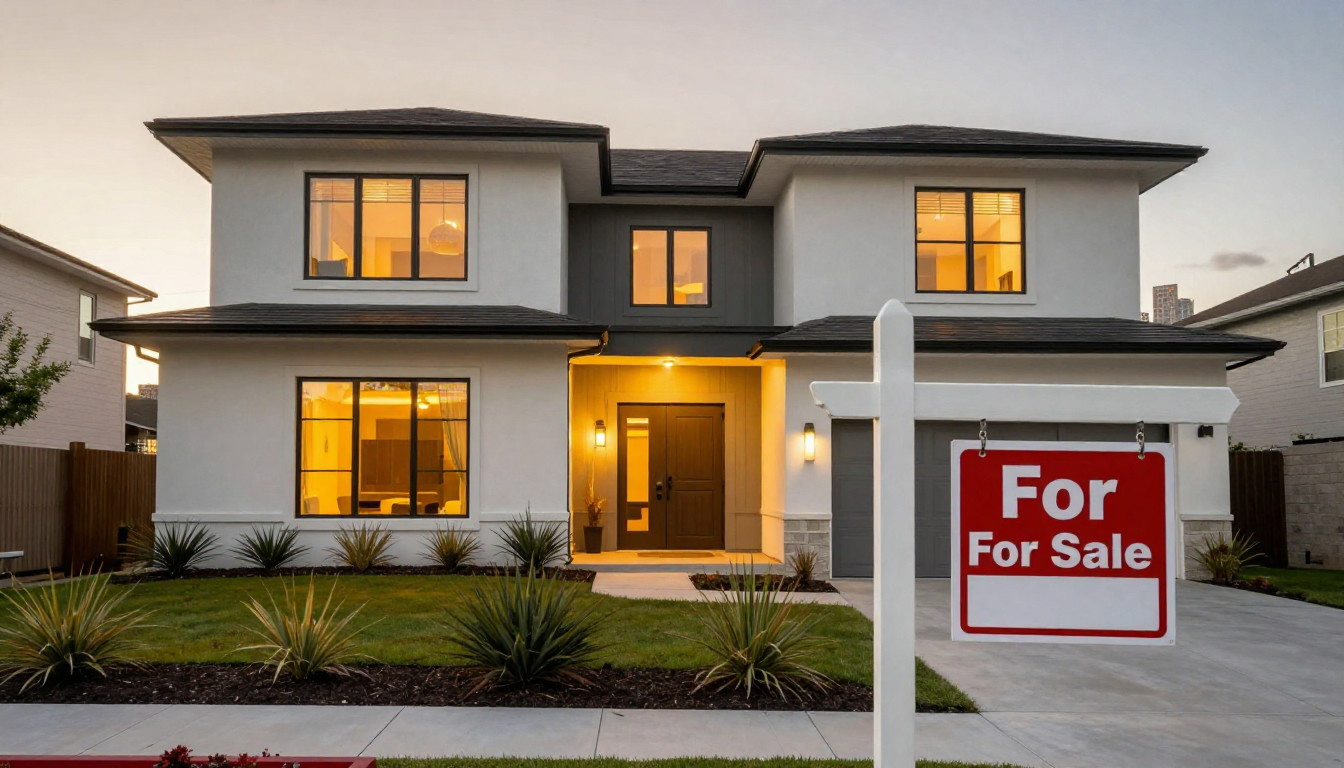
Effective Strategies for Selling Your Home in Houston: Pricing, Staging, and Offers
Effective strategies for selling your home in Houston: pricing, staging, and offers
Introduction
Selling a home in Houston’s competitive real estate market requires more than just listing a property and hoping for the best. The city’s dynamic housing landscape, characterized by rapid growth and diverse neighborhoods, demands a strategic approach that encompasses pricing accuracy, professional staging, and smart negotiation tactics. Whether you’re a first-time seller or an experienced homeowner, understanding how to navigate these three critical components can significantly impact your home’s sale price and how quickly it sells. In this comprehensive guide, we’ll explore the most effective strategies for selling your Houston home, focusing on competitive pricing that reflects current market conditions, staging techniques that showcase your property’s best features, and negotiation approaches that help you secure the best possible offer. By the end of this article, you’ll have the knowledge and confidence to make informed decisions throughout the selling process and maximize your return on investment.
Understanding Houston’s real estate market dynamics
Before diving into pricing strategies, it’s essential to understand what makes the Houston real estate market unique. The city has experienced consistent population growth over the past decade, with people relocating for job opportunities in the energy sector, healthcare, technology, and manufacturing industries. This influx of newcomers creates ongoing demand for housing across various price points and neighborhoods.
Houston’s market is characterized by several key factors that influence property values:
- No state income tax, which attracts residents and potentially increases demand
- Diverse neighborhood options ranging from urban downtown lofts to sprawling suburban developments
- Proximity to major employers and employment centers
- Varying school district quality and ratings
- Flood risk considerations following Hurricane Harvey in 2017
- Seasonal fluctuations in buyer activity
The Houston market also operates differently across its various neighborhoods. Areas like The Woodlands, Sugar Land, and Bellaire tend to maintain higher property values, while emerging neighborhoods like East End and Third Ward are experiencing revitalization and attracting younger buyers. Understanding where your property sits within this landscape is crucial for positioning it correctly.
Data from the Greater Houston Association of Realtors shows that the median home price in Houston has fluctuated based on broader economic conditions, inventory levels, and interest rates. In 2023, Houston continued to see steady demand, though with slightly longer average days on market compared to previous years. This shift underscores the importance of strategic pricing and presentation to remain competitive.
Strategic pricing for maximum market appeal
Pricing your home correctly is arguably the most critical decision you’ll make as a seller. An overpriced home sits on the market longer, accumulating dust and negative perceptions, while an underpriced home means leaving money on the table. The key is finding the sweet spot that attracts serious buyers while maximizing your profit.
Conducting a comprehensive market analysis
Begin by working with a qualified real estate agent who specializes in your neighborhood and has access to the Multiple Listing Service (MLS). They should provide you with a detailed Comparative Market Analysis (CMA) that examines recently sold properties in your area with similar characteristics. This analysis should include homes that sold within the last three to six months, as older data becomes less relevant in a changing market.
When reviewing comparable properties, focus on homes that are truly similar to yours in terms of:
- Square footage (within 300-500 square feet)
- Number of bedrooms and bathrooms
- Age and condition of the structure
- Lot size and property type
- Recent upgrades and renovations
- Location within the neighborhood
The CMA should show the listing price, sold price, and days on market for each comparable. You’ll often notice that homes don’t sell for their listing price, which is valuable information. This difference, known as the price reduction ratio, varies by neighborhood and market conditions. A ratio of 95-97% is considered healthy, while anything below 92% suggests the market is softer or prices are being set too high initially.
Factoring in your home’s unique characteristics
While comparables provide a baseline, your specific home has unique features that justify price adjustments. These adjustments, called hedonic pricing adjustments, account for differences between your property and the comps.
| Feature | Typical adjustment per unit | Example impact |
|---|---|---|
| Extra half bathroom | +2-4% of home value | +$8,000-$16,000 on $400,000 home |
| Updated kitchen | +3-5% of home value | +$12,000-$20,000 on $400,000 home |
| Swimming pool | +5-8% of home value | +$20,000-$32,000 on $400,000 home |
| Recent roof replacement | +2-3% of home value | +$8,000-$12,000 on $400,000 home |
| HVAC system (less than 5 years) | +1-2% of home value | +$4,000-$8,000 on $400,000 home |
| Wood or composite deck | +2-3% of home value | +$8,000-$12,000 on $400,000 home |
| Corner lot or premium location | +3-5% of home value | +$12,000-$20,000 on $400,000 home |
In Houston specifically, upgrades that provide additional value include impact-resistant windows and doors (especially post-Hurricane Harvey awareness), efficient cooling systems designed for the hot climate, and outdoor living spaces. Homes with flood mitigation improvements may command premiums in certain neighborhoods.
Pricing psychology and market positioning
Beyond the numbers, pricing involves psychological considerations. A home priced at $399,900 feels significantly different from one at $405,000, even though the actual difference is minimal. This psychological pricing strategy, called charm pricing, can attract more viewers and generate more offers because buyers often search within specific price ranges.
However, be cautious about extreme charm pricing. A $500,000 home priced at $449,900 may not fool savvy buyers and could position your home as questionable or problematic. Instead, use modest pricing adjustments of $500 to $2,500 to create psychological appeal while remaining truthful about value.
Consider also whether your home should be positioned as a value play or a premium offering. Value positioning targets the widest buyer pool by pricing slightly below market, generating multiple offers that drive up the final price. Premium positioning targets discerning buyers willing to pay for quality, typically used for exceptional homes with unique features.
Professional staging to showcase your home’s potential
Staging is the art and science of presenting your home in its absolute best light to help buyers envision themselves living there. While it might seem like an unnecessary expense, professional staging typically returns 3 to 5 times its investment through faster sales and higher prices. In Houston’s market, where homes sit for average periods between 45-60 days, strategic staging can be the difference between a quick sale and a drawn-out listing.
Curb appeal and first impressions
Your home’s exterior creates the first impression, which significantly influences whether potential buyers even want to see the inside. Curb appeal is particularly important in Houston, where many homes sit on larger lots with visible landscaping.
Focus on these exterior elements:
- Landscaping: Trim overgrown shrubs, plant fresh flowers in front beds, and edge walkways. In Houston’s heat, healthy green landscaping demonstrates proper irrigation and maintenance.
- Front door: The front door is the focal point. Consider a fresh coat of paint in a welcoming color, new hardware, and a well-maintained entrance light.
- Driveway and walkway: Pressure wash to remove algae and stains. Fill cracks or consider seal coating to refresh asphalt.
- Roof and gutters: Ensure gutters are clean and properly attached. A sagging gutter signals poor maintenance.
- Exterior paint and condition: Touch up any peeling paint, replace damaged siding, and ensure all fixtures are properly maintained.
- House numbers and lighting: Use attractive, readable house numbers and ensure exterior lighting works properly.
In Houston’s climate, buyers often appreciate evidence of proper drainage and water management. Clear gutters, sloped driveways, and well-maintained landscaping suggest the owner has addressed potential water issues. Post-Harvey consciousness means buyers are increasingly concerned about flood risk, so demonstrating property maintenance is especially valuable.
Interior staging strategies
Once buyers enter your home, every room should support the narrative that this is a desirable place to live. Strategic staging doesn’t mean decorating with excessive furniture or personal style choices. Rather, it means creating neutral, inviting spaces that allow buyers to imagine their own lives in your home.
Key staging principles for each space:
Living areas: These rooms should feel spacious and functional. Remove excess furniture to emphasize room dimensions, use neutral colors (whites, grays, soft blues), and add fresh flowers or greenery for life. Ensure lighting is warm and abundant.
Kitchen: The kitchen is where many buying decisions are made. Clean appliances thoroughly, declutter countertops, remove personal items from refrigerators, and consider updated cabinet hardware if finances allow. A bowl of fresh fruit on the counter creates a homey feel without personal clutter.
Bedrooms: Strip beds to just a neutral-colored duvet and two pillows. Remove bedroom-specific items that date the space. Master bedrooms should feel like sanctuaries, so minimal furniture and calm colors work best.
Bathrooms: Bathrooms often reveal the home’s true condition. Replace old shower curtains, add fresh towels in neutral colors, ensure all fixtures are spotless and functional, and add subtle touches like a new soap dispenser or small plant.
Outdoor spaces: In Houston, porches, decks, and patios are extensions of living space. Arrange outdoor furniture to show functionality, add comfortable seating, and ensure everything is clean and well-maintained.
Neutralizing personal touches
Your home should feel like a blank canvas. While your family photos, collection of sports memorabilia, and distinctly personal decor matter deeply to you, they can actually alienate buyers who can’t envision themselves in the space. Additionally, overly personal items can trigger negotiations or concerns.
Pack away at least 50% of your personal items before showings. This includes:
- Family photographs and personal collections
- Highly personal religious or political items
- Unusual or bold decorative choices
- Children’s toys and personal care items
- Pet-related items (especially if not all buyers are pet lovers)
- Items that suggest a specific lifestyle or demographic
Regarding pets, while you may love your animals, not all buyers do. During showings, arrange for pets to stay elsewhere. This eliminates odor concerns and allows buyers to focus on the home rather than worrying about pet allergies or damage.
The cost-benefit analysis of staging
Professional home staging costs typically range from $1,500 to $5,000 depending on home size and extent of work. While this seems significant, consider the returns. A properly staged home typically sells faster and for a higher price. Research from the National Association of Realtors found that staged homes sell 17% faster on average and command prices 3-5% higher than non-staged homes.
On a $400,000 home, a 3% premium equals $12,000, which easily justifies a $3,000 staging investment. The faster sale also means you avoid extended carrying costs like property taxes, insurance, and maintenance during a longer listing period.
Crafting offers and negotiating effectively
Once you’ve priced competitively and presented your home beautifully, the final piece of the puzzle is managing offers strategically. In Houston’s market, how you handle offers can mean the difference between a smooth transaction and a failed deal. Smart negotiation doesn’t mean being difficult; rather, it means understanding what truly matters and making decisions that serve your interests.
Understanding modern offer structures
Today’s offers are far more complex than simple purchase price agreements. Serious buyers submit offers with multiple components that create different levels of risk and certainty. Understanding each element helps you evaluate offers comprehensively rather than focusing solely on price.
Key offer components in Houston:
- Purchase price: The base offer amount
- Earnest money deposit (EMD): Non-refundable money showing serious intent, typically 1-2% of purchase price ($4,000-$8,000 on a $400,000 home)
- Financing contingency: Whether the buyer’s offer depends on obtaining a mortgage; stronger offers waive this
- Inspection contingency: Buyer’s right to inspect and potentially renegotiate based on findings; many sellers prefer limited inspection periods
- Appraisal contingency: Protection if the property appraises for less than the offer price
- Days to close: Timeframe between contract and closing; 30-45 days is typical
- Seller concessions: Requests for the seller to pay closing costs or make repairs
- Option period: Time frame for inspection and appraisal contingencies, typically 7-10 days in Texas
A lower offer with strong terms (large EMD, waived contingencies, quick close) can sometimes be more valuable than a higher offer with conditions and longer timelines. A $395,000 cash offer that closes in 14 days is often preferable to a $405,000 financed offer contingent on inspection and appraisal with a 60-day close.
Managing multiple offers strategically
When your properly priced and staged home generates multiple offers (as good ones do), you have leverage. However, managing this situation requires strategy and clear communication.
Avoid counter-offer wars: When you receive multiple offers, instead of counter-offering each one individually, consider requesting best and final offers. This approach typically yields higher prices and stronger terms as buyers submit their maximum effort without expecting another round of negotiation.
Evaluate total consideration, not just price: Calculate the net proceeds you’ll receive, accounting for seller concessions. An offer of $410,000 with $8,000 in seller-paid closing costs nets you $402,000 in cash value. A $405,000 offer with no concessions nets $405,000. The lower sticker price is actually the better deal.
Assess buyer strength: Offer terms reveal buyer quality. Pre-approved financing (not just pre-qualified) indicates a serious buyer. Waived or limited contingencies suggest the buyer is confident and cash-ready. A buyer with a contingency on selling their existing home creates additional uncertainty in Houston’s market.
Negotiating effectively on inspection findings
Post-inspection negotiations often determine whether deals succeed or fail. Rather than waiting for buyer requests, consider conducting a pre-listing inspection. This proactive approach identifies issues before listing, allowing you to address them, adjust pricing, or disclose them upfront. This transparency builds trust and often prevents deal-killing negotiations later.
In Houston specifically, be prepared for discussions about:
- Water intrusion or flood damage history: Full disclosure of any water damage, whether from Hurricane Harvey or plumbing issues, is essential. Buyers now routinely question water history.
- Roof condition: Given the age and weather exposure, roofs are common negotiation points. Providing a recent roof inspection can ease buyer concerns.
- HVAC systems: Houston’s constant air conditioning use means HVAC systems get heavy use. Document recent maintenance or replacement.
- Structural integrity: Foundation issues are common in Texas. A foundation survey showing no problems is valuable and can prevent difficult negotiations.
When buyers request repairs, resist the urge to say no reflexively. Instead, consider whether repairing the issue costs less than reducing your price to reflect the problem. Replacing a $200 air filter is often preferable to reducing your $400,000 home price by $5,000 because a buyer is concerned about AC maintenance.
Maintaining leverage throughout closing
The final period before closing presents additional negotiation opportunities and challenges. Don’t discount the walk-through inspection scheduled shortly before closing. Buyers use this to verify that the home remains in the agreed-upon condition. Maintain the home as shown; don’t leave it with personal items, trash, or signs of negligent care. A home in poor condition at walk-through can trigger final negotiation requests or give buyer’s remorse legs.
Similarly, maintain your responsiveness to lender and title company requests. A seller who delays providing documents or inspections creates frustration and can cost buyers money if closing gets delayed. This generates ill will that sometimes translates into last-minute negotiation requests. Prompt, professional responses smooth the closing process and protect your deal.
Conclusion
Selling your home in Houston successfully requires a coordinated approach that combines accurate pricing, professional presentation, and strategic negotiation. The Houston real estate market’s unique characteristics, from its diverse neighborhoods to post-Harvey consciousness about water management, demand that sellers understand local conditions and buyer priorities. By conducting thorough market analysis and pricing competitively rather than optimistically, you attract serious buyers and generate multiple offers. Professional staging showcasing your home’s best features accelerates the sale timeline and justifies premium pricing while also demonstrating that the property has been well-maintained. Finally, sophisticated offer evaluation and skilled negotiation ensure you secure the best terms and highest net proceeds. Remember that these three elements work together: correct pricing attracts buyers to see a beautifully staged home, and that combination generates strong offers you can negotiate effectively. Whether selling your first home or your fifth, applying these evidence-based strategies significantly improves your outcomes. Work with a knowledgeable local agent, stay flexible throughout the process, and focus on facts rather than emotions. By combining market knowledge, professional presentation, and strategic negotiation, you’ll successfully navigate Houston’s real estate market and achieve your selling goals.

Free Guide:
First-Time Homebuyer Loans Explained
Download the free playbook that explains your options in plain English—written by a CPA and licensed Realtor.