

Maximizing Benefits: Understanding VA Loans and Eligibility in Texas
Maximizing Benefits: Understanding VA Loans and Eligibility in Texas
Introduction
VA loans represent one of the most valuable benefits available to military veterans, offering a unique pathway to homeownership with advantages that far exceed conventional financing options. For Texas veterans, understanding these loan programs and determining eligibility is crucial to making informed decisions about purchasing or refinancing a home. Unlike traditional mortgages, VA loans come with specific benefits such as no down payment requirements, reduced interest rates, and flexible credit standards that can make homeownership more accessible. Texas, as a state with a significant veteran population, has particular importance in the VA loan landscape. This article explores the fundamental aspects of VA loans, eligibility requirements specific to Texas residents, and practical strategies for maximizing these benefits to achieve your homeownership goals.
Understanding VA loans and their fundamental structure
VA loans are mortgages guaranteed by the U.S. Department of Veterans Affairs, designed specifically to help eligible military personnel finance home purchases. The guarantee means that the VA is backing the loan, reducing the lender’s risk and allowing them to offer more favorable terms to borrowers. This distinction fundamentally changes how lenders evaluate veteran applicants compared to standard mortgage procedures.
The basic structure of a VA loan involves three key parties: the veteran borrower, the private lender (typically a bank or mortgage company), and the Department of Veterans Affairs. The VA doesn’t actually lend money; instead, it guarantees a portion of the loan, typically up to 25 percent of the home’s purchase price, with no maximum limit on loan amounts as of recent policy changes. This guarantee allows private lenders to offer loans with terms that are substantially more favorable than conventional mortgages.
Key benefits that set VA loans apart
Understanding the specific advantages of VA loans helps veterans recognize why these programs deserve serious consideration. The primary benefits include:
- No down payment requirement: Unlike conventional loans that typically require 10 to 20 percent down, VA loans allow eligible veterans to purchase homes with zero down payment. This eliminates a major barrier to homeownership and allows veterans to preserve capital for other investments or emergencies.
- No private mortgage insurance: Conventional loans with less than 20 percent down require PMI, which adds hundreds of dollars monthly to mortgage payments. VA loans eliminate this expense entirely, regardless of the down payment amount.
- Competitive interest rates: Because the VA guarantee reduces lender risk, veterans typically qualify for interest rates 0.5 to 1 percent lower than conventional mortgages. Over a 30-year loan, this can mean tens of thousands of dollars in savings.
- Flexible credit requirements: While lenders still evaluate creditworthiness, VA loans are more forgiving of past credit challenges compared to conventional mortgages. Veterans with lower credit scores may still qualify.
- Limited closing costs: VA regulations restrict the closing costs that lenders can charge veterans, protecting borrowers from excessive fees. Additionally, sellers can pay veteran borrowers’ closing costs in many transactions.
- Assumable loans: VA loans can be assumed by other eligible veterans, which is a valuable feature that can help future buyers and provide additional home marketability.
These benefits work together to create a financing advantage that can reduce the total cost of homeownership significantly. For instance, a veteran purchasing a $300,000 home with VA financing could save between $15,000 and $25,000 compared to a conventional loan over the life of the mortgage, when considering eliminated down payments, PMI, and lower interest rates.
Determining VA loan eligibility in Texas
Eligibility for VA loans depends on military service criteria rather than state residency, though Texas has specific considerations for veterans. Understanding these requirements ensures you know whether you qualify before investing time in the application process. The VA has established clear guidelines that determine who can access these benefits.
Service requirements and documentation
The basic eligibility criteria require that you served in the military and received a discharge status classified as honorable or other than dishonorable. The length of service required varies depending on when you served:
- Active duty service members and veterans: At least 90 days of active duty during wartime or 181 days during peacetime. For Gulf War-era service, 90 days of active duty is required.
- Surviving spouses: If your service member spouse died in service or from a service-related disability, you may qualify as a surviving spouse.
- Current active duty members: Those with at least 90 days of service can apply even while still serving.
- Reserve and National Guard: Typically require 6 years of service, with exceptions for those called to active duty.
To verify eligibility, you’ll need documentation of your military service. This is obtained through your Certificate of Eligibility, which the VA issues based on your DD Form 214 (Certificate of Discharge or Release from Active Duty) or other service records. In Texas, veterans can obtain this certificate through the VA’s eBenefits portal, by mail, or through the state Veterans Land Board.
For Texas veterans, one advantage is that the state’s Veterans Land Board often provides additional resources and information about VA loan programs. The board maintains records of Texas veterans and can assist with eligibility verification, which can streamline the process considerably.
Financial and credit considerations
While VA loans are more flexible than conventional mortgages regarding credit, lenders still evaluate your financial situation. The key considerations include:
| Financial Criterion | VA Loan Requirements | Typical Conventional Requirements |
|---|---|---|
| Credit score | No minimum, but typically 620 or above | 620-740+ |
| Debt-to-income ratio | Generally up to 60 percent | 43 percent typical maximum |
| Employment history | Current employment verification needed | 2-year employment history |
| Down payment | Zero down required | 5-20 percent typical |
| Appraisal | Required (VA appraisal standards) | Required |
Your debt-to-income ratio measures the percentage of your monthly income that goes toward debt obligations. VA lenders typically allow ratios up to 60 percent, meaning if you earn $4,000 monthly, you could have up to $2,400 in debt obligations and still qualify. However, many lenders prefer lower ratios for approval. Texas veterans should gather recent pay stubs, tax returns, and documentation of all debts to present a complete financial picture.
The VA requires that the property being purchased meets certain standards to protect the veteran’s investment. This means a VA appraiser will evaluate the home to ensure it’s worth the purchase price and meets minimum property standards. Unlike conventional appraisals that focus solely on value, VA appraisals also assess safety and property condition.
The VA loan process in Texas and practical steps to take
Successfully navigating the VA loan process requires understanding each stage and preparing appropriate documentation. Texas veterans have access to numerous resources that can facilitate this journey, from state-based veteran organizations to specialized VA loan lenders.
Step-by-step process overview
The VA loan process follows a specific sequence that differs somewhat from conventional mortgages. First, you’ll obtain your Certificate of Eligibility, which confirms your military service history. Texas veterans can access this through the VA’s eBenefits portal online, making it convenient to get this crucial document without visiting an office.
Once you have your eligibility certificate, you’ll prequalify with a lender. This preliminary step shows what price range you can afford and gives you a reasonable estimate of what loan amount the lender will offer. Many Texas lenders now offer online prequalification, allowing you to understand your financial position before house hunting begins.
The next phase involves finding a property and making an offer. Texas real estate markets vary significantly by region, from urban centers like Austin and Houston to rural areas. Understanding your local market helps set realistic expectations about pricing and availability. It’s often helpful to work with a real estate agent familiar with VA loans, as they understand the specific requirements and timeline involved.
Once your offer is accepted, the lender orders a VA appraisal. This appraisal typically takes 7 to 14 days and must confirm that the home’s value supports the purchase price. The VA appraiser also notes any needed repairs or safety concerns that must be addressed before closing. Understanding that VA appraisals are often more thorough than conventional appraisals can prevent surprises later in the process.
After appraisal approval, the underwriting phase begins. This is where the lender thoroughly reviews all your financial documents, verifies employment, and confirms that you meet all VA and lender requirements. Texas lenders typically complete underwriting within 3 to 5 business days for straightforward applications.
The final step is closing, where you sign loan documents and officially take ownership of the property. At closing, you’ll pay the VA funding fee (unless you’re exempt) and any agreed-upon closing costs. The VA funding fee is a one-time cost paid to the VA and ranges from 1.4 to 3.6 percent of the loan amount, depending on the loan type and your down payment amount.
Maximizing benefits through strategic planning
Texas veterans can enhance their VA loan benefits through strategic planning. One important consideration is whether to pay the funding fee upfront or roll it into the loan. If you have sufficient capital, paying it upfront means you won’t pay interest on the fee over the life of the loan. However, rolling it into the loan preserves capital for other purposes.
Another strategy involves understanding your entitlement. Your VA loan entitlement is the benefit you can use to guarantee loans. While most veterans have substantial entitlement, it can be used multiple times. Some Texas veterans purchase primary residences first, then later use remaining entitlement for investment properties or vacation homes.
Additionally, veterans can benefit from VA Streamline Refinances if they already own a home financed with a VA loan. This program allows you to refinance to a lower rate with minimal paperwork and no appraisal required, making it an excellent way to reduce monthly payments when rates drop.
For Texas veterans in rural areas, the VA loan program combines excellently with USDA Rural Development loans, another zero-down program. Understanding both options helps you choose the best fit for your circumstances.
Conclusion
VA loans represent a substantial benefit that Texas veterans should carefully consider when pursuing homeownership. The combination of zero down payment, no private mortgage insurance, reduced interest rates, and flexible credit requirements creates a financing advantage that can result in significant long-term savings. Understanding your eligibility, gathering proper documentation, and working with experienced lenders ensures you maximize these benefits. The process, while straightforward, requires attention to detail and understanding of how VA loans differ from conventional mortgages. Texas offers particular advantages through state resources like the Veterans Land Board, which can assist throughout your journey. By taking time to educate yourself about VA loan requirements and strategically planning your homeownership approach, you position yourself to make the most of this valuable military benefit. Whether you’re a first-time homebuyer or an experienced property owner, VA loans deserve serious consideration as a path to affordable, sustainable homeownership.
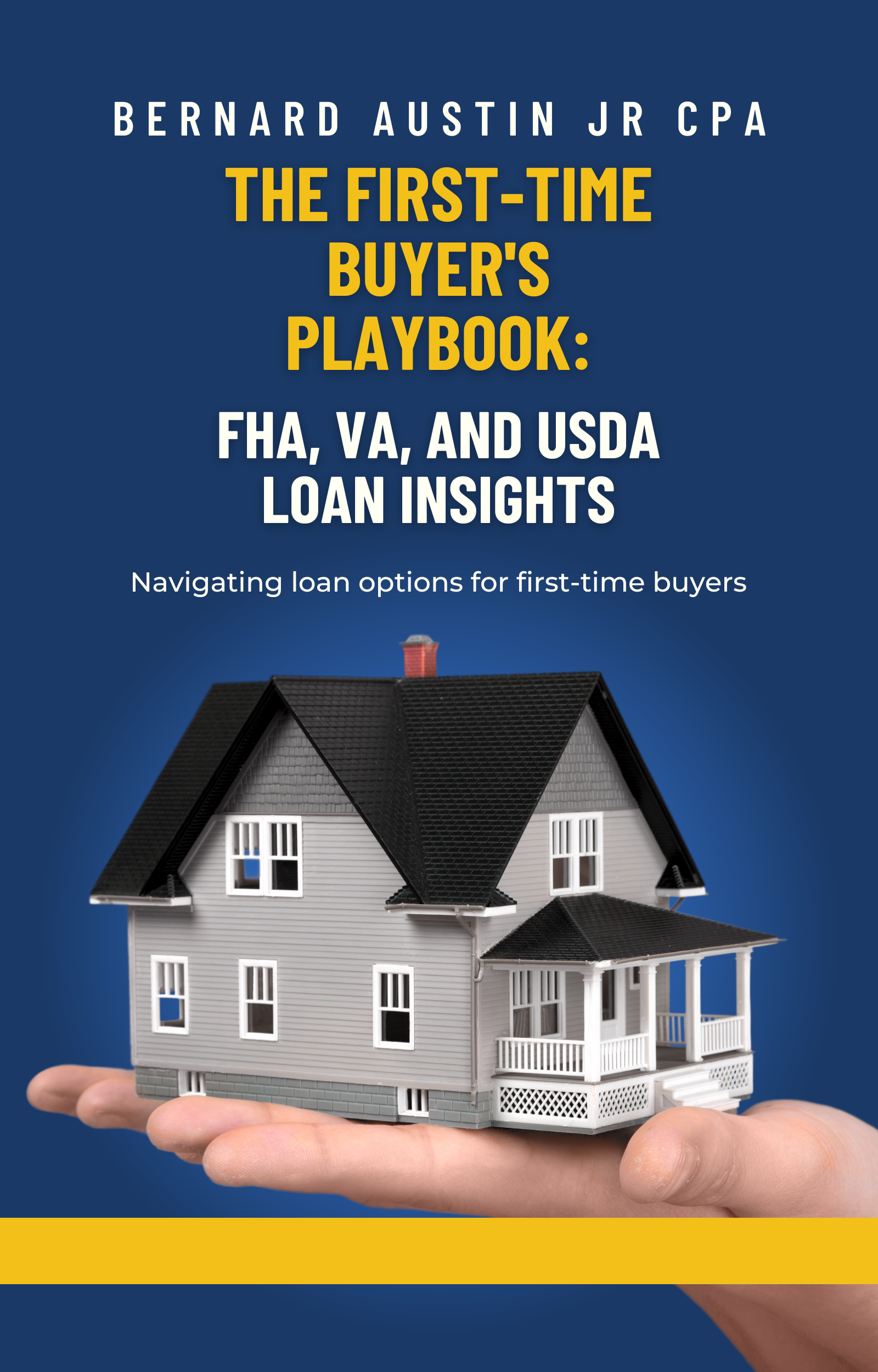
Free Guide:
First-Time Homebuyer Loans Explained
Download the free playbook that explains your options in plain English—written by a CPA and licensed Realtor.