
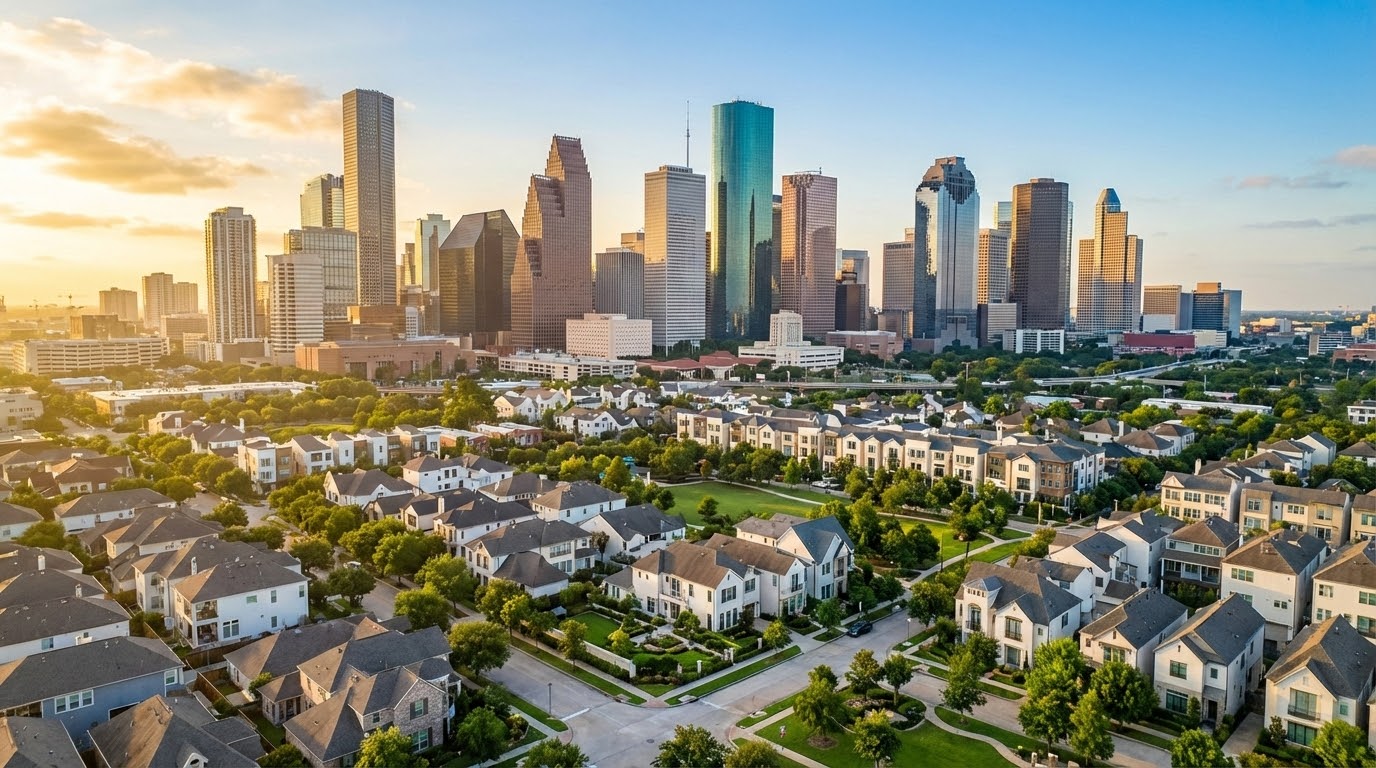
Best Neighborhoods to Invest in Houston Real Estate for High Rental ROI
Best neighborhoods to invest in Houston real estate for high rental ROI
Introduction
Houston’s real estate market continues to attract investors from around the globe, drawn by its booming economy, diverse population, and relatively affordable property prices compared to other major metropolitan areas. The city has experienced significant growth over the past decade, with an influx of tech companies, energy sector jobs, and young professionals seeking opportunities. This expansion has created a unique landscape for real estate investors looking to generate strong rental income and build wealth. Understanding which neighborhoods offer the best potential for high rental returns on investment (ROI) requires careful analysis of market trends, demographic patterns, rental demand, and property appreciation rates. This article explores the most promising Houston neighborhoods for investors seeking to maximize rental income while building long-term equity. By examining key factors that drive rental demand and property values, we’ll help you identify the best opportunities in Houston’s dynamic real estate market.
The Houston rental market landscape and investment fundamentals
Houston’s rental market has become increasingly attractive to investors due to several fundamental factors that distinguish it from other major U.S. cities. The Texas state income tax policy, which imposes no personal income tax, attracts businesses and residents alike, creating consistent demand for rental properties. Additionally, Houston’s low cost of living relative to comparable cities means property prices remain accessible for investors with moderate capital.
The city’s rental market dynamics are shaped by its low homeownership barriers in some neighborhoods, which paradoxically increases rental demand in premium areas where residents prefer the flexibility of renting. The Houston metropolitan area’s population growth rate, averaging 2.1% annually, substantially exceeds the national average, ensuring steady tenant demand. This growth is driven by corporate relocation, with companies like Exxon Mobil, Chevron, and emerging tech firms establishing major operations in the region.
Key metrics for evaluating Houston’s investment potential include cap rates typically ranging from 5% to 8% across various neighborhoods, depending on location and property type. The median rental price for a two-bedroom apartment hovers around $1,400 monthly, though this varies significantly by neighborhood. Property appreciation rates have averaged 3% to 4% annually over the past five years, providing investors with dual returns through rental income and equity building.
Understanding Houston’s neighborhood classification is essential before investing. The city contains distinct zones: upscale inner-loop neighborhoods with higher prices but stronger appreciation, emerging areas with excellent rental yields, and established suburbs offering stability. Successful investors recognize that different neighborhoods serve different investment strategies. Some prioritize immediate cash flow through high rental rates, while others focus on long-term appreciation in developing areas.
Premium investment neighborhoods with strong cash flow potential
Several Houston neighborhoods consistently deliver exceptional rental returns while maintaining solid appreciation prospects. These areas have established themselves as premier locations for tenant attraction and retention.
Midtown Houston stands out as a premier mixed-use district attracting young professionals, corporate employees, and entertainment seekers. This neighborhood offers walkability, diverse dining options, nightlife, and urban living appeal. Rental rates for two-bedroom apartments range from $1,800 to $2,400 monthly, with occupancy rates exceeding 95%. The neighborhood’s high population density supports increased rental demand, and property values continue appreciating as development intensifies. Investors can expect cap rates of 5.5% to 6.5% alongside consistent tenant demand.
The Heights represents a gentrifying neighborhood that has transformed from bohemian charm to upscale residential and commercial space. Young families and professionals increasingly move here, attracted by renovated Victorian homes, local businesses, and community events. While purchase prices have increased significantly, rental income remains strong at $1,600 to $2,200 for two-bedroom units. The neighborhood’s walkability and proximity to downtown create sustained rental demand. Property appreciation has averaged 4.5% annually, making this attractive for long-term investors.
West University Place operates as an independently incorporated city within Houston, known for excellent schools, safety, and affluent residents. Single-family homes and townhouses dominate the area, with rental rates of $2,000 to $3,200 monthly for three-bedroom homes. Though purchase prices are higher, the tenant quality and retention rates justify the investment. Professionals relocating to Houston with families specifically target this neighborhood, ensuring consistent demand.
Uptown/Galleria area combines commercial vibrancy with residential appeal, attracting corporate professionals and executives. Modern apartments and townhouses rent for $1,700 to $2,500 monthly. The area’s proximity to major employers, shopping, and dining creates multiple income-generating opportunities. Office workers and corporate transfers consistently seek housing in this walkable urban zone.
Emerging neighborhoods offering exceptional rental yields
Beyond established premium neighborhoods, Houston contains emerging areas where forward-thinking investors can capture higher rental yields while positioning themselves for future appreciation. These neighborhoods are experiencing infrastructure development, business expansion, and demographic shifts that create exceptional investment opportunities.
East Downtown (EaDo) represents Houston’s trendy frontier district, undergoing rapid revitalization. Artist lofts, craft breweries, tech startups, and young professionals define this neighborhood’s character. Rental rates have climbed from $1,200 to $1,800 monthly for studio and one-bedroom units, with strong growth momentum. The area’s authentic character attracts millennials willing to pay premium rents. Property values have appreciated 6% to 7% annually, outpacing citywide averages. Investors with moderate capital can acquire properties at reasonable prices while capturing strong cash flow and appreciation.
Montrose combines established neighborhood stability with ongoing revitalization. This diverse, progressive community attracts renters aged 25 to 45 seeking vibrant urban living. Rental rates range from $1,400 to $2,000 for one and two-bedroom units. The neighborhood’s cultural institutions, restaurants, and bars create lifestyle appeal. Mix-use redevelopment projects indicate strong future growth potential. Current property values remain reasonable compared to premium inner-loop neighborhoods, offering attractive entry points.
Bellaire sits outside Houston’s city limits but benefits from strong schools and family-oriented appeal. Though less trendy than Montrose or EaDo, Bellaire attracts families seeking suburban stability with urban access. Three-bedroom homes rent for $2,200 to $2,800 monthly. Property prices have appreciated steadily at 3.5% to 4% annually. The neighborhood’s consistent tenant demand and lower turnover rates create stable long-term investments.
Sugar Land, in the Houston metropolitan area’s southwest corridor, has experienced explosive growth. Corporate relocations and suburban development have driven both population and property values upward. Newer construction and amenities appeal to families and professionals. Rental rates for three-bedroom homes range from $2,000 to $2,700 monthly. The area’s proximity to technology parks and corporate centers ensures continued demand. Properties typically appreciate 3% to 4% annually with reliable rental income.
| Neighborhood | Average two-bedroom rent | Cap rate range | Annual appreciation | Target renter profile |
|---|---|---|---|---|
| Midtown | $1,800-$2,400 | 5.5%-6.5% | 3.5%-4% | Young professionals, urban seekers |
| The Heights | $1,600-$2,200 | 6%-7% | 4.5% | Young families, professionals |
| East Downtown | $1,200-$1,800 | 6.5%-7.5% | 6%-7% | Millennials, creative professionals |
| Montrose | $1,400-$2,000 | 6%-7% | 4%-5% | Diverse professionals, young adults |
| Uptown/Galleria | $1,700-$2,500 | 5.5%-6.5% | 3%-4% | Corporate professionals, executives |
| West University | $2,000-$3,200 | 4.5%-5.5% | 3%-3.5% | Affluent families, executives |
Strategic considerations for maximizing rental ROI in Houston
Selecting the right neighborhood represents only one component of maximizing rental ROI. Investors must also consider property-specific factors, market timing, financing strategies, and management approaches that determine actual returns.
Property type selection significantly impacts rental income. Single-family homes attract family renters willing to pay premium rates for space and privacy, though they require more maintenance. Multi-unit properties distribute risk and increase cash flow but demand more intensive management. In Houston’s market, single-family homes in established suburbs generate predictable returns, while townhouses in urban neighborhoods capture the lifestyle premium renters willingly pay.
Financing strategy directly affects ROI calculations. Investors utilizing conventional mortgages at current rates averaging 6.5% to 7% can still generate positive cash flow in high-rental-yield neighborhoods. Larger down payments reduce monthly mortgage obligations but require more capital upfront. Successful investors often balance down payment size against cash reserves, maintaining liquidity for unexpected repairs and vacancies.
Property condition and renovation determine rental rates and tenant quality. Investing in neighborhoods experiencing gentrification allows purchase of distressed properties at discounts, then renovating to command premium rents. Properties requiring $20,000 to $40,000 in cosmetic upgrades can increase monthly rental income by $300 to $600, improving cap rates substantially. However, avoid over-improving relative to neighborhood standards, which reduces ROI.
Tenant screening and retention directly impact true cash flow. Quality tenants reduce vacancy periods, minimize property damage, and prevent costly legal evictions. Neighborhoods attracting employed professionals with stable incomes generally produce better tenant outcomes than areas with transient populations. Investment in professional property management, typically costing 8% to 12% of rental income, often improves net returns by reducing vacancy and damage losses.
Market timing and appreciation expectations should inform investment decisions. While emerging neighborhoods like EaDo and Montrose offer higher appreciation potential, they carry greater volatility risk. Established neighborhoods like West University provide stable cash flow with modest appreciation. Successful portfolio strategies often combine both: newer investments in appreciating neighborhoods with stable cash-flowing properties in established areas.
Local regulations and expense management significantly influence actual returns. Houston’s business-friendly environment includes lower property tax rates than many cities, averaging 1.6% to 1.8% of property value annually. However, insurance, maintenance, and HOA fees vary by neighborhood. Inner-loop properties may lack HOA fees but face higher insurance and maintenance costs due to age. Suburban properties often include HOA fees but experience lower maintenance costs and insurance premiums.
Conclusion
Houston’s real estate market presents exceptional opportunities for investors seeking strong rental returns combined with appreciation potential. The city’s economic diversity, population growth, favorable tax environment, and relatively affordable entry prices create a compelling investment landscape. Premium neighborhoods like Midtown, The Heights, and West University deliver immediate cash flow with established tenant demand and continued appreciation. Simultaneously, emerging neighborhoods including East Downtown, Montrose, and Bellaire offer higher rental yields and stronger appreciation prospects for investors with longer time horizons and greater risk tolerance.
Success in Houston’s rental market requires thorough analysis of neighborhood demographics, market trends, property condition, and investment goals. Investors must align neighborhood selection with personal strategies, whether prioritizing immediate cash flow or long-term appreciation. The data consistently demonstrates that Houston neighborhoods exist across the investment spectrum, enabling portfolio construction matching diverse risk profiles and financial objectives. By carefully evaluating the neighborhoods and considerations outlined in this article, investors can position themselves to capture both strong current returns and substantial long-term wealth building. The combination of Houston’s continued growth trajectory, favorable business environment, and diverse neighborhood options makes it an increasingly attractive destination for serious real estate investors.

Free Guide:
First-Time Homebuyer Loans Explained
Download the free playbook that explains your options in plain English—written by a CPA and licensed Realtor.