

Understanding VA Loans in Texas: Benefits and Eligibility for Veterans
Understanding VA Loans in Texas: Benefits and Eligibility for Veterans
Introduction
VA loans represent one of the most valuable benefits available to military veterans and their families, offering a pathway to homeownership with distinct advantages over traditional mortgages. In Texas, where the real estate market spans from bustling urban centers to sprawling rural areas, VA loans have become increasingly important for veterans seeking to establish roots in the Lone Star State. This article explores the comprehensive landscape of VA loans specifically tailored to Texas veterans, examining what makes these loans unique, who qualifies for them, and how they can transform the homebuying experience. Whether you’re a service member transitioning to civilian life or a veteran planning your financial future, understanding the mechanics of VA loans is essential for making informed decisions about one of life’s most significant investments.
What are VA loans and how do they work
VA loans are mortgage products guaranteed by the U.S. Department of Veterans Affairs, designed specifically to help veterans, active-duty service members, and eligible surviving spouses purchase homes with favorable terms. Unlike conventional loans that rely primarily on creditworthiness and down payment capacity, VA loans shift the risk burden to the government, allowing lenders to offer more flexible terms to borrowers.
The mechanics of a VA loan work through a guarantee process rather than direct lending. The VA doesn’t actually loan money to veterans; instead, the agency guarantees a portion of the loan amount to the lender. This guarantee means that if a borrower defaults, the VA will cover the loss up to a certain limit. This fundamental difference reduces the lender’s risk exposure and translates directly into benefits for the borrower.
How the VA loan guarantee system functions:
- The VA guarantees up to 25 percent of the loan amount, or a maximum of $766,200 as of 2024
- Lenders are protected against loss, allowing them to offer competitive interest rates
- Veterans can often obtain loans with zero down payment, unlike FHA or conventional mortgages
- The VA doesn’t set interest rates, which are determined by the market and individual lender policies
- Borrowers must pay a VA funding fee unless exempted based on disability status or other factors
In Texas specifically, VA loans have become instrumental in helping veterans access the state’s diverse housing markets. From the metropolitan areas of Houston and Dallas to the more affordable markets in West Texas and the Hill Country, VA loans remove traditional barriers that might otherwise prevent veterans from qualifying for mortgages. The zero down payment feature is particularly significant, as it eliminates one of the biggest obstacles to homeownership for many veterans who may not have accumulated substantial savings after military service.
The interest rates on VA loans are typically lower than conventional mortgage rates because lenders assume less risk. This can result in savings of hundreds of thousands of dollars over the life of a 30-year mortgage. Additionally, the VA loan program includes built-in consumer protections that limit certain fees and require a thorough property appraisal to ensure the home is worth the purchase price.
Eligibility requirements for Texas veterans
Understanding eligibility is crucial before pursuing a VA loan in Texas. The basic requirements involve a combination of military service factors and documentation, but the process has been streamlined in recent years to make it more accessible.
Military service requirements
To qualify for a VA loan, you must have served on active duty and been discharged under conditions other than dishonorable. The required length of service depends on when you served:
- Service members who entered active duty on or after September 8, 1980, must have served at least 24 consecutive months of active duty or the full period for which called to active duty
- Service members who entered active duty before September 8, 1980, need at least 181 days of active duty service during peacetime or any amount of service during wartime
- Reserve and National Guard members must have completed at least six years of service
- Surviving spouses of veterans who died in service or from service-related disabilities may also qualify
Documentation and the Certificate of Eligibility
All applicants must obtain a Certificate of Eligibility (COE) from the VA, which verifies military service and eligibility status. Texas veterans can request this document through several methods:
- Online through the VA’s website using VA.gov, which is the quickest method for most applicants
- By mail by submitting a completed Form DD-214 (Certificate of Release or Discharge from Active Duty)
- Through a VA regional office located throughout Texas
- At participating lenders who can verify eligibility electronically
Credit and financial considerations
While VA loans are more forgiving than conventional mortgages regarding credit requirements, lenders still conduct credit checks and consider financial history. Most VA lenders prefer a credit score of at least 620, though some may work with lower scores on a case-by-case basis. Unlike FHA loans, VA loans don’t have a minimum credit score requirement set by the VA itself, giving lenders more discretion.
Debt-to-income ratio is another critical factor. Lenders typically want to see your monthly debt payments not exceed 41 percent of your gross monthly income, though some lenders may approve up to 50 percent for well-qualified borrowers. This includes the new mortgage payment, car loans, student loans, credit cards, and any other recurring debts.
Income verification and employment
You’ll need to provide recent pay stubs, tax returns, and employment verification. Self-employed borrowers may need to provide additional documentation showing business income. Texas veterans who are retired from military service have an advantage here, as military pensions provide stable, documented income that lenders view favorably.
It’s important to note that unlike some loan programs, there’s no maximum income limit for VA loans. High-earning Texas veterans are eligible just as readily as those with modest incomes, making this program accessible across all economic levels.
Key benefits specific to Texas veterans
VA loans offer numerous advantages that make them particularly valuable for Texas veterans entering the homebuying market. These benefits work together to create a substantially different borrowing experience compared to conventional or FHA loans.
Zero down payment advantage
Perhaps the most significant benefit is the ability to purchase a home with zero down payment. This eliminates one of the largest obstacles to homeownership. In Texas, where median home prices vary dramatically by region, this benefit carries tremendous weight. A veteran in rural Texas might purchase a $150,000 home, while an urban veteran in Austin or Dallas might buy a $400,000 property, both without scraping together a down payment.
Lower interest rates
VA loans consistently feature interest rates below conventional mortgages. This advantage compounds over 30 years. A one percent difference in interest rate on a $300,000 loan can mean the difference of over $100,000 in total interest paid. Texas veterans benefit from this rate advantage regardless of their location within the state.
No private mortgage insurance
Unlike FHA loans and many conventional loans with low down payments, VA loans don’t require private mortgage insurance (PMI). This eliminates a significant monthly expense that can range from $100 to $300 or more depending on the loan amount. Over the life of a loan, this can represent a $50,000 to $100,000 savings.
Flexible credit requirements
The VA doesn’t set minimum credit score requirements, and many Texas lenders will work with veterans who have credit scores in the 600s or even lower with explanations. Life circumstances such as medical bills or temporary employment gaps are viewed more sympathetically than in conventional lending.
Assumability feature
VA loans are assumable, meaning a future buyer can take over the loan with VA approval, even if they’re not a veteran. This makes your property more attractive to future buyers in the Texas market, potentially increasing your home’s resale value and reducing the time to sell.
Limited fees and consumer protections
The VA regulates fees that lenders can charge on VA loans, protecting borrowers from excessive costs. Certain closing costs are prohibited, and the VA appraisal ensures the home’s value supports the loan amount, protecting against overpaying for property.
Understanding VA loan costs and fees
While VA loans offer substantial advantages, it’s important to understand all associated costs so you can make an informed decision. Being transparent about expenses helps Texas veterans accurately budget for homeownership.
VA funding fee
The funding fee is the primary cost associated with VA loans. This is a one-time charge paid to the VA that helps offset the program’s cost to taxpayers. The fee is typically rolled into the loan amount rather than paid upfront. The funding fee varies based on several factors:
| Loan Category | Funding Fee Percentage | Notes |
|---|---|---|
| First-time buyer, 5 percent down or more | 2.3 percent | Applies to most first-time VA loan users |
| First-time buyer, less than 5 percent down | 3.6 percent | Higher fee reflects greater VA risk |
| First-time buyer, zero down payment | 3.6 percent | Standard fee for zero down loans |
| Repeat VA loan users | 0.5 percent | Significantly reduced fee |
| Disabled veterans | Exempt | Service-connected disability rating required |
On a $300,000 loan with zero down payment, the 3.6 percent funding fee would be $10,800, making the total loan amount $310,800. While this might seem substantial, it’s still less expensive than PMI would be over the loan term.
Other standard closing costs
VA loans still involve standard closing costs, though certain fees are prohibited. Typical expenses include:
- Title search and insurance, typically $500-$1,500
- Home appraisal, typically $400-$600
- Recording fees and transfer taxes, varies by county in Texas
- Attorney fees if required, typically $300-$500
- Property survey, typically $250-$500 if lender requires it
Prohibited fees and seller concessions
The VA prohibits certain fees that some lenders might charge on conventional loans. This protection benefits Texas veterans by keeping closing costs reasonable. Prohibited fees include:
- Loan origination fees or points charged to the veteran
- Application fees
- Processing or underwriting fees
- Appraisal fees, which must be paid by the seller
Additionally, the seller can pay certain closing costs on behalf of the veteran, though there are limits to seller concessions. This is an important negotiating point in Texas real estate transactions, as it can significantly reduce the cash the veteran needs to bring to closing.
Conclusion
VA loans represent a powerful tool for Texas veterans seeking to build wealth through homeownership. The combination of zero down payment requirements, lower interest rates, elimination of PMI, and flexible credit standards creates a unique financing opportunity that simply doesn’t exist in conventional mortgage markets. For Texas veterans, this program levels the playing field, allowing service members to compete in real estate markets across the state regardless of their financial background or current savings.
The eligibility requirements, while specific, are achievable for the vast majority of veterans with qualifying service records. The documentation process, centered on obtaining a Certificate of Eligibility, has been streamlined and can be completed efficiently. Understanding the costs involved, particularly the VA funding fee and standard closing expenses, allows veterans to budget accurately and compare their options effectively. Whether you’re a veteran in a major Texas metropolitan area or a rural community, the VA loan program adapts to local market conditions while maintaining consistent veteran protections and benefits. As you consider your homebuying options, taking full advantage of this earned benefit should be a central part of your planning strategy. Consult with VA-experienced lenders in Texas to explore how this program can help you achieve the stability and wealth-building potential that homeownership provides.
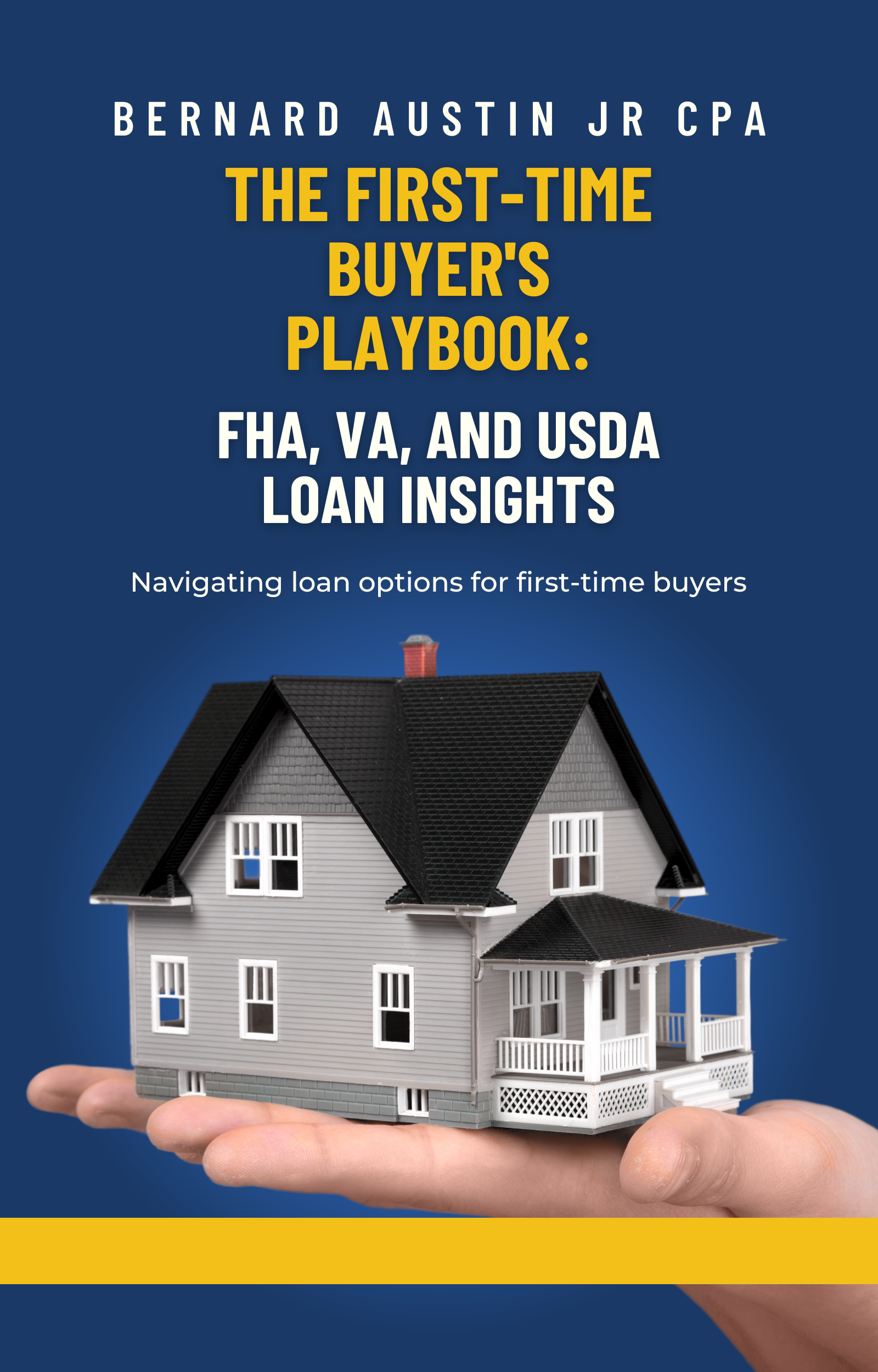
Free Guide:
First-Time Homebuyer Loans Explained
Download the free playbook that explains your options in plain English—written by a CPA and licensed Realtor.