
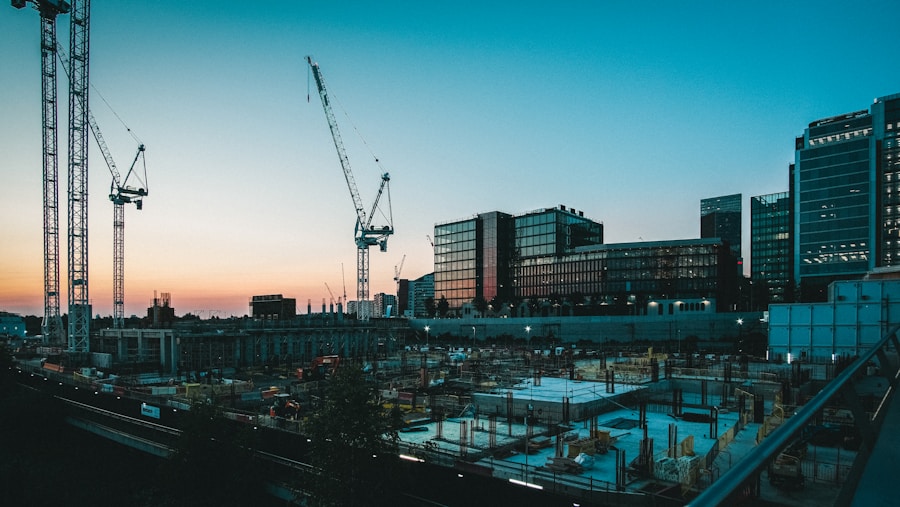
How to Navigate the New Construction Process Like a Pro
Preparing for Your Construction Journey
Embarking on a new construction project, whether a custom home or a commercial development, is a significant undertaking. Approaching this process with a structured mindset can mitigate risks and enhance outcomes. This article outlines key considerations and strategies for navigating new construction, from initial planning to project completion.
Defining Your Vision and Scope
Before any physical work begins, a clearly articulated vision is paramount. This involves translating your aspirations into concrete requirements.
Establishing Clear Objectives
What do you aim to achieve with this construction? Is it a family home with specific accessibility needs, a commercial space designed for high foot traffic, or an industrial facility requiring specialized infrastructure? Define primary goals and secondary considerations. For example, a primary goal might be a three-bedroom, two-bathroom house within a specific budget. A secondary consideration could be a large, south-facing kitchen.
Developing a Detailed Program of Requirements
This document acts as the blueprint for your design team. It should enumerate every space, its intended function, approximate size, desired aesthetic, and specific functional requirements (e.g., soundproofing for a media room, heavy-duty flooring for a workshop). Think of this as a detailed shopping list for your future building.
Budgetary Considerations and Financial Planning
A realistic budget is the bedrock of any successful project. Beyond the direct construction costs, consider land acquisition, permits, architectural and engineering fees, landscaping, insurance, and contingency funds. A typical contingency fund ranges from 10-20% of the total project cost. Underspending on this initial planning can lead to significant cost overruns later. Obtaining pre-approval for financing clarifies your financial boundaries early in the process.
Assembling Your Professional Team
The quality of your construction project is intrinsically linked to the expertise of the individuals you employ. This team acts as your navigational crew.
Selecting the Right Architect or Designer
The architect or designer translates your vision into schematics. Their expertise in spatial planning, building codes, and material selection is crucial.
Evaluating Portfolios and Experience
Review their previous work. Does their aesthetic align with yours? Do they have experience with similar project types and scales? Look for evidence of problem-solving and practicality in their designs.
Understanding Their Design Process
Inquire about their design methodology. How do they incorporate client feedback? What is their typical timeline for design phases? A transparent design process fosters collaboration and reduces misunderstandings.
Importance of Communication and Chemistry
You will work closely with your architect for an extended period. A good working relationship, based on clear communication and mutual respect, is valuable. They should be able to articulate their design rationale clearly and also listen effectively to your input.
Engaging Engineers and Other Specialists
Depending on the project’s complexity, various engineering disciplines will be required.
Structural Engineers
They ensure the building’s stability and integrity, designing the foundational system, framework, and load-bearing elements. This is a non-negotiable requirement for most new construction.
Mechanical, Electrical, and Plumbing (MEP) Engineers
These specialists design the systems that make the building functional: heating, ventilation, and air conditioning (HVAC); electrical distribution; and water supply and waste disposal. Integrated design between these disciplines prevents conflicts during construction.
Geotechnical Engineers
For projects involving complex soil conditions or challenging sites, a geotechnical engineer assesses sub-surface conditions, providing recommendations for foundations and site preparation. Their report can prevent future structural issues.
Choosing a Reputable General Contractor
The general contractor is the orchestrator of the construction process. They manage timelines, budgets, subcontractors, and site safety.
Due Diligence and Background Checks
Vet potential contractors thoroughly. Request references from previous clients and contact them. Verify their licensing, insurance, and bonding. A contractor with a strong track record offers greater assurance.
Soliciting Detailed Bids
Provide prospective contractors with comprehensive construction documents (plans, specifications) to ensure they are bidding on the same scope of work. Compare bids not solely on price, but also on the level of detail, proposed schedule, and excluded items. A low bid that omits critical elements can prove more expensive in the long run.
Understanding Contractual Agreements
Before signing, meticulously review the contract. Ensure it clearly defines the scope of work, payment schedule, change order process, warranty provisions, and dispute resolution mechanisms. Seek legal counsel to review the contract if you are uncomfortable interpreting any clauses.
Navigating the Design and Permitting Phases
This stage refines your vision into detailed construction documents and secures the necessary approvals to break ground. This is where your abstract ideas gain concrete form on paper.
The Iterative Design Process
Design is not a linear process. It involves a series of refinements based on feedback and expert input.
Conceptual Design and Schematic Development
Initial sketches and massing studies explore spatial relationships and overall aesthetic. This phase is about broad strokes, establishing the building’s form and layout.
Design Development and Material Selection
Once the conceptual design is approved, further detail is added. Materials, finishes, and specific systems are chosen. This phase solidifies the aesthetic and functional characteristics.
Construction Documents and Specifications
These are the detailed drawings and written descriptions that contractors use to build the project. They include architectural, structural, mechanical, electrical, and plumbing plans, along with specifications for every component and system. Accuracy and completeness in these documents are paramount to avoid costly delays and rework during construction.
Obtaining Permits and Approvals
Building regulations are in place to ensure safety and compliance. Navigating the permitting process requires meticulous attention to detail.
Understanding Local Building Codes and Zoning Regulations
These regulations dictate what you can build, where, and how. Your architect and contractor should be knowledgeable about local requirements. Ignorance of these codes is not a viable defense against violations.
Submitting Applications and Plans for Review
The construction documents are submitted to the relevant municipal authorities for review. This process can be lengthy and often involves multiple departments (e.g., planning, building, fire).
Addressing Review Comments and Revisions
It is common to receive comments and requests for revisions from reviewers. Promptly addressing these issues expedites the approval process. Delays here will inevitably push back the construction start date.
Managing the Construction Phase
With permits secured, the physical manifestation of your project begins. This phase requires vigilant oversight and effective communication. This is where the symphony of trades comes into play.
On-Site Management and Supervision
While your general contractor manages the day-to-day operations, your involvement remains essential.
Regular Site Visits and Progress Monitoring
Conduct scheduled site visits to observe progress, quality of work, and adherence to plans. These visits are not intended to micromanage, but rather to stay informed and address issues proactively. Document observations with photos and notes.
Reviewing Contractor Communications and Reports
Your contractor should provide regular reports on progress, budget, and schedule. Review these thoroughly and raise questions or concerns promptly.
Quality Control and Inspections
Both the contractor and designated third-party inspectors (e.g., municipal inspectors) perform quality checks. Understand the inspection schedule and the various milestones that trigger them. Defects identified early are less costly to rectify.
Handling Changes and Unexpected Issues
Construction projects rarely proceed without adjustments. A robust process for managing changes is crucial.
The Change Order Process
Any deviation from the approved plans or specifications—whether initiated by you, your architect, or unforeseen site conditions—requires a formal change order. This document outlines the revised scope, cost, and schedule impact. Do not authorize verbal changes without formal documentation.
Addressing Unforeseen Site Conditions
Discoveries beneath the ground (e.g., rock, contaminated soil, undocumented utilities) or within existing structures can necessitate design changes and additional costs. A contingency budget is explicitly for these types of surprises.
Problem-Solving and Decision-Making
Issues will arise. Your ability to make informed decisions in consultation with your team, weighing cost, schedule, and quality implications, is vital. Avoid impulsive decisions driven by frustration.
Project Completion and Post-Construction
| Step | Description |
|---|---|
| 1 | Define your goals and budget for the construction project. |
| 2 | Research and select a reputable architect and/or builder. |
| 3 | Obtain necessary permits and approvals from local authorities. |
| 4 | Develop a detailed construction plan and timeline. |
| 5 | Regularly communicate and collaborate with the construction team. |
| 6 | Monitor the progress and quality of the construction work. |
| 7 | Address any issues or changes promptly to avoid delays. |
| 8 | Finalize the construction, conduct inspections, and make any necessary adjustments. |
| 9 | Complete the project and ensure all legal and financial obligations are met. |
The final stages of a construction project involve ensuring everything is built to specification and preparing for occupancy. This is the victory lap, but vigilance is still required.
Final Inspections and Walk-Throughs
Before taking possession, a comprehensive review of the finished product is necessary.
Creating a Punch List
During a final walk-through with your general contractor and architect, identify any incomplete items, deficiencies, or cosmetic imperfections. This “punch list” itemizes everything that needs correction before final payment. Be thorough; details matter.
Ensuring Compliance with Codes and Specifications
Confirm that all work meets local building codes and the original project specifications. Your architect and contractor should assist in verifying these aspects.
Obtaining Occupancy Permits
For most new construction, an occupancy permit (or certificate of occupancy) from the local authority is required before the building can be legally used. This certifies that the building is safe for its intended purpose.
Warranty and Post-Occupancy Support
The contractor’s responsibility does not always end the moment you take possession.
Understanding Warranty Periods and Coverage
Most contractors provide a warranty for their work, typically for one year. Understand what is covered (e.g., defects in materials, workmanship) and the process for submitting warranty claims.
Receiving Operation and Maintenance Manuals
For complex systems (e.g., HVAC, specialized equipment), request operation and maintenance manuals. These documents provide crucial information for proper use and upkeep, prolonging the life of your building systems.
Addressing Post-Occupancy Issues
Even after moving in, minor issues may surface. Keep a record of these and communicate them to your contractor within the warranty period for resolution. A proactive approach to addressing these issues ensures longevity and satisfaction with your new construction.
FAQs
What is the new construction process?
The new construction process refers to the steps involved in building a new residential or commercial property from the ground up. This process includes planning, design, obtaining permits, construction, and final inspections.
What are the key steps in the new construction process?
The key steps in the new construction process include site selection, obtaining necessary permits, creating a design and floor plan, hiring a contractor, construction, and final inspections.
How can I navigate the new construction process effectively?
To navigate the new construction process effectively, it is important to do thorough research, create a realistic budget, hire a reputable contractor, communicate effectively with all parties involved, and stay organized throughout the process.
What are some common challenges in the new construction process?
Some common challenges in the new construction process include unexpected delays, budget overruns, obtaining necessary permits, and coordinating various subcontractors and suppliers.
What are some tips for successfully navigating the new construction process?
Some tips for successfully navigating the new construction process include staying flexible and adaptable, maintaining open communication with all parties involved, conducting regular site visits, and being proactive in addressing any issues that may arise.

Free Guide:
First-Time Homebuyer Loans Explained
Download the free playbook that explains your options in plain English—written by a CPA and licensed Realtor.